


It comes amid a UK-wide drop in the number of people on payroll in the last 12 months, according to official data analysed by the employment and pay app WageSight.
Employers across the UK trimmed staff by 126,953 in the year to August 2025, a -0.4% drop.
With the loss of 18,647 South East jobs, the region was broadly in line with the trend elsewhere in the UK.
However, this obscures a more diverse and fluctuating picture in individual towns across the region.
Meanwhile wage rises for workers remained strong, up by 6.33%, still significantly ahead of inflation.
WageSight director, Paul Hebden, said: "The last few months have seen cut backs by employers across the South East which reflects the picture nationally.
“On the positive side, over the year wages for people in the region seemed to keep ahead of inflation, which is positive for families still enduring difficulties in terms of the cost of living.”
Just handful of towns and areas in the South East have seen payroll growth. Vale of White Horse (0.6%), Ashford (0.4%), Maidstone (0.4%), Rushmoor (0.4%) and Mid Sussex (0.2%) were among the few places in the region that recorded modest increases in the number of people on payroll (see tables below).
A swath of towns performed significantly worse than the Welsh and UK regional picture with Dover (-0.8%), Portsmouth (-0.7%), Fareham (-0.7%) and Southampton (-0.7%) and a swath of other towns also performed significantly worse in terms of jobs.
You can see the full breakdown of data for areas in Sussex and Surrey below.

9. Guildford
There were 71,852 employees on payroll in Guildford last year, a year-on-year decrease of 0.4% Photo: Jack Taylor/Getty Images
10. Crawley
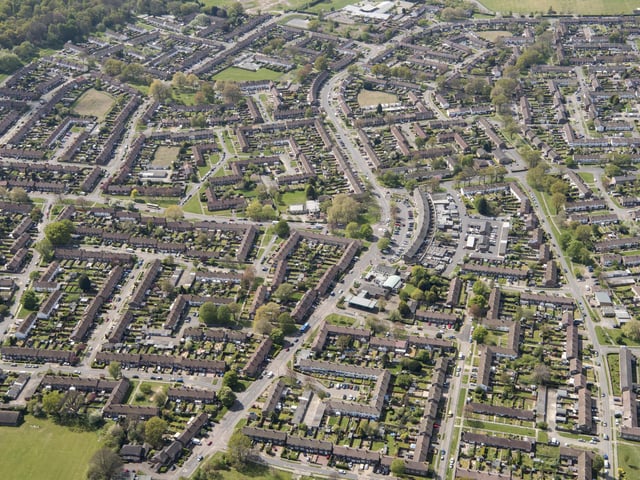
There were 62,530 employees on payroll in Crawley last year, a year-on-year decrease of 0.4% Photo: Historic England Archive/Heritage Images via Getty Images
11. Surrey Heath
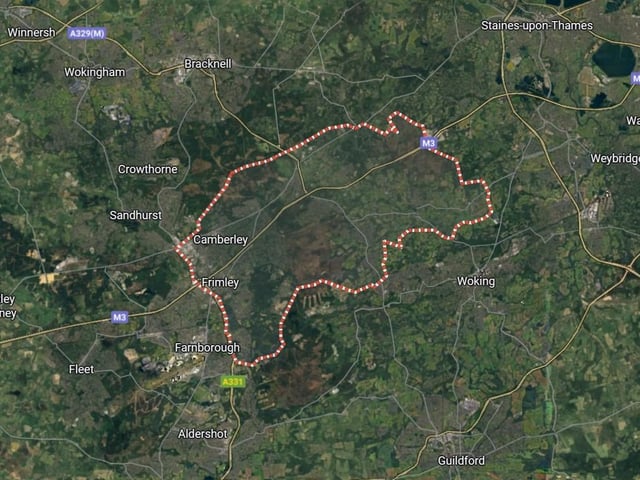
There were 44,007 employees on payroll in Surrey Heath last year, a year-on-year decrease of 0.4% Photo: Google

12. Lewes
There were 39,981 employees on payroll in Lewes last year, a year-on-year decrease of 0.4% Photo: Dan Kitwood/Getty Images