
Top of the list of facilities for our visiting wading birds is the mud (and of course the worms and invertebrates inside the mud). The flood meadows and pools at Pulborough Brooks provide the perfect blend of water, soggy mud and grassy cover.
Some of our most frequent visitors at this time of year are sandpipers – small wading birds with narrow sensitive bills designed to pick small invertebrates out of the mud. Many of the sandpipers reveal their identity by bobbing their bottoms up and down – this is known as ‘teetering’.
Amongst the cattle out on the flood meadows are Yellow Wagtails, who take advantage of the insects disturbed by the cattle as they graze. Overhead, Swallows and House Martins chatter as they feed on flying insects – they are gathering ready to migrate in groups and seeking safety in numbers.
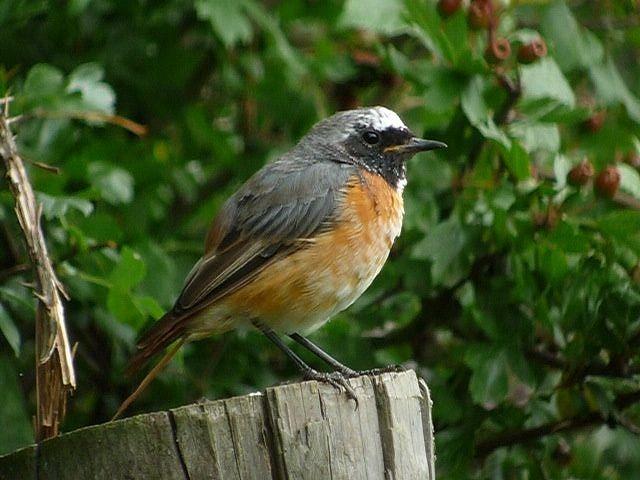
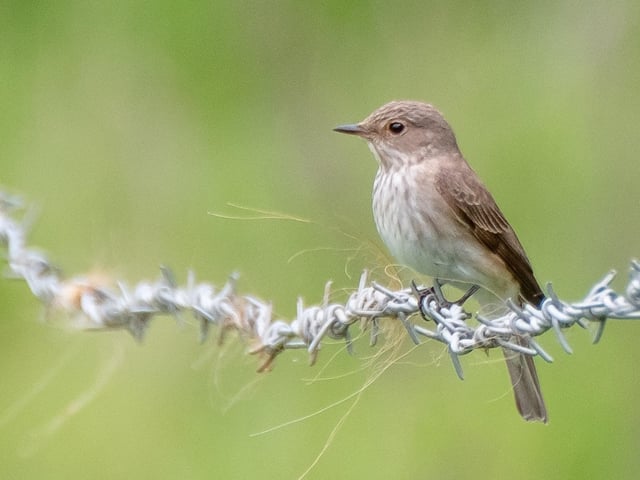
Your search for migrating birds shouldn’t be confined to the wetland pools; scan the fence-lines and hedgerows too. Pick of the bunch of the smaller birds are the Spotted Flycatcher and Redstart (also known as a ‘firetail’) who make food use of the fence posts around the nature trail to perch on between aerial sallies to catch any passing insects. For them too it is time to fatten up before commencing their long southward journeys.
1. Contributed
Yellow Wagtails feeding amongst cattle Photo: Submitted
2. Contributed
Redstart Photo: Submitted
3. Contributed
Spotted Flycatcher perched on fence Photo: Submitted
4. Contributed
Swallows Photo: Submitted