
Brent Lodge Wildlife Hospital, Chichester, prepares for autumn influx of hedgehogs
A Chichester-based wildlife hospital is preparing for an influx of hedgehogs this autumn, with around 200 currently in its care.
Brent Lodge Wildlife Hospital, located in Sidlesham, treats and rehabilitates wildlife casualties from across West Sussex and Hampshire. The charity cares for more than 120 species of British wildlife, from baby robins and field mice to birds of prey and fox cubs.
According to Asha Park, supporter relations and fundraising manager at Brent Lodge, the hospital can treat up to 500 hedgehogs a year.
“We’re slowly starting to release our summer hedgehogs,” she said. “It was too hot for us to release them when we normally would, but now we’re making space for hedgehogs coming in throughout autumn and winter.”
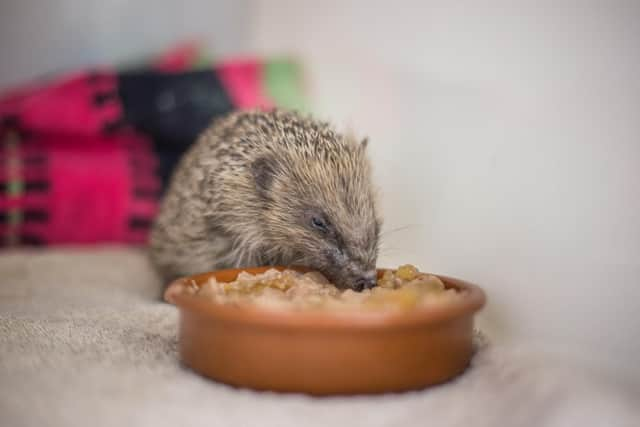

The charity’s work changes considerably throughout the year, although hedgehogs remain a constant presence. During the summer, staff and volunteers can also be caring for hundreds of baby birds requiring feeding every 10 to 20 minutes, alongside young mammals such as fox cubs.
As the colder months approach, Brent Lodge sees an increase in hedgehogs needing care, particularly younger ones that have not gained enough weight to survive through to spring.
Day-to-day work includes triaging new patients, veterinary treatment, and feeding and cleaning - with facilities on site for procedures involving surgery and X-rays.
The charity is also involved in a microchipping programme designed to monitor hedgehogs after they are returned to the wild.
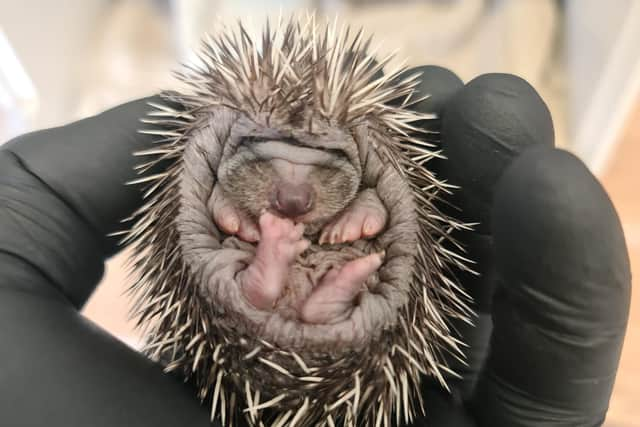
“Any hedgehog that gets released from our care will be microchipped, much like when you take your pet to be microchipped,” Asha explained.
“The idea is that, once they’re released, we can monitor how well they’re doing. And if they get brought to us again, we can see their full history.”
The initiative comes amid wider concerns about the decline of hedgehogs across the UK.
“It’s probably known worldwide that hedgehogs in the UK are in devastating decline,” Asha said. “30, 40 years ago, we had over 30 million hedgehogs, but now unfortunately there’s less than a million.
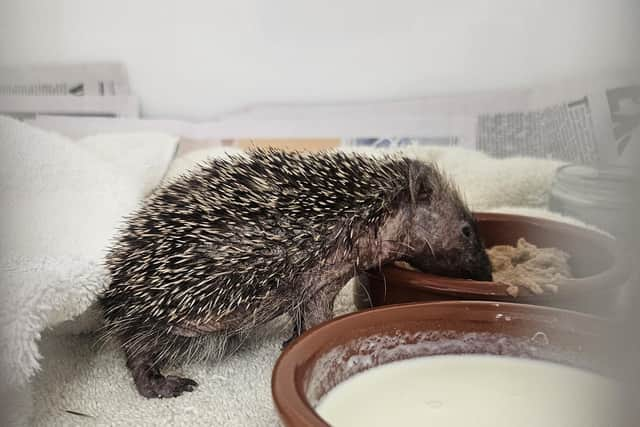
“That’s due to habitat loss, human intervention, road traffic collisions and climate change. So this is part of the wider effort to conserve the hedgehogs that we’ve got left.”
For members of the public, one of the most important things to remember is that a hedgehog seen out during the day may need help.
“Any hedgehog that’s seen out during the day is an indication that there’s something wrong,” Asha said. “The only exception is if there’s a mother moving her hoglets or looking for food.”
A hedgehog roaming around in the daytime could be suffering from an injury, a parasite or another underlying condition that may not be immediately obvious.
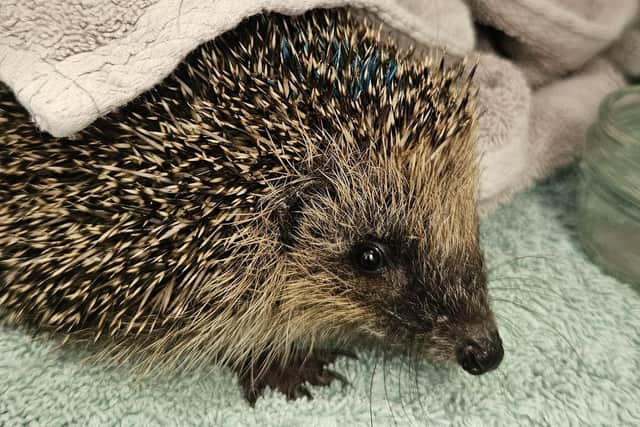
However, Asha advised people to contact a wildlife hospital or vet before intervening.
If a hedgehog does need to be collected, Brent Lodge recommends using a towel or gloves to pick it up before placing it in a ventilated cardboard box and bringing it to the hospital.
Asha also offered some advice on supporting hedgehogs and creating more wildlife-friendly environments.
“Gardens are the most desired hedgehog-friendly area - they like to be in gardens,” she explained.
“We would recommend putting a small hole in your fence or wall if possible - no bigger than a CD or coaster. You can always chat to your neighbours to see if you can create a ‘wildlife corridor’, because hedgehogs like to roam.”
Those with gardens can also create a log pile to encourage natural food sources, while suitable hedgehog houses can provide shelter.
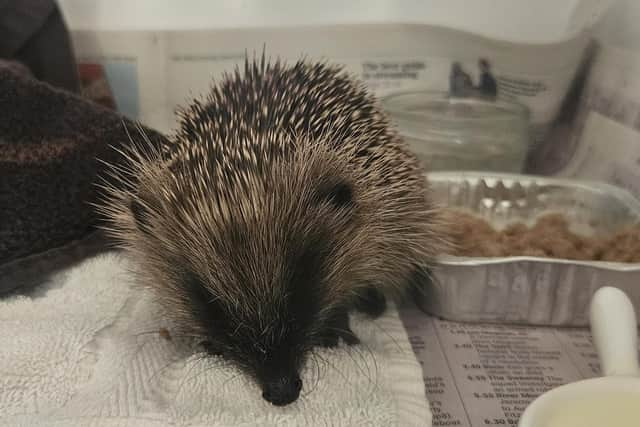
Brent Lodge also urged people to check their gardens for hedgehogs and other wildlife before using gardening equipment such as clippers or strimmers, which can cause serious and potentially fatal injuries.
They added that, with bonfire season approaching, bonfire piles should be thoroughly checked for wildlife before lighting them. This can be done by building the bonfire immediately before it is lit, or by lifting the edges of the pile and shining a torch underneath.
Supplementary feeding can also help, particularly during the winter months - although Asha advises encouraging natural food sources first.
“We would say that the first instinct is to always encourage natural food sources - so, like I said, log piles that encourage insects,” she explained. “It’s also good because that can encourage a whole ecosystem in your garden and help other declining species.
If people do choose to leave food out, Brent Lodge recommends poultry-flavoured cat food. Bread and milk, meanwhile, should be avoided despite the common belief that they are suitable for hedgehogs.
“It’s a bit of an urban myth that hedgehogs like bread and milk,” Asha said, adding that research has shown the combination can cause stomach problems.
While hedgehogs are currently a major focus, they form just part of Brent Lodge’s wider work.
The hospital cares for everything from baby robins and field mice to birds of prey and fox cubs, with the ultimate aim of rehabilitating animals and releasing them back into the wild.
“Wherever that’s not possible, we will ease their suffering and, in the most compassionate way, put them to sleep,” Asha explained.
As a charity, Brent Lodge relies heavily on donations and support from the public. It says people can help by fundraising, donating items such as pet food, newspapers and cleaning supplies, or by visiting its charity shops in Bogor, Selsey, Worthing and Hayling Island.
The organisation also offers outreach visits for community groups and schools.
For anyone who encounters a hedgehog this autumn, however, Asha’s message is simple: look out for warning signs that something is wrong, and give wildlife professionals a call before stepping in wherever possible.