
Hospice care is more than you think, but funding gaps put it at risk
by Lois Howell, CEO at St Wilfrid’s Hospice, Giles Tomsett, CEO at St Catherine’s Hospice, and Stuart Palma, CEO at Southern Hospice Group (St Barnabas House, Martlets and Chestnut Tree House).
Hospice care in Sussex is under increasing strain, despite being one of the most valued services in our communities.
When people hear the term 'hospice care', they often think only of the very end of life. But at our local hospices – St Wilfrid’s in Chichester, St Catherine’s in Crawley, St Barnabas House in Worthing and Martlets in Hove – hospice care is much more than that. It is about helping people live well, for as long as possible, in the place that feels most like home.
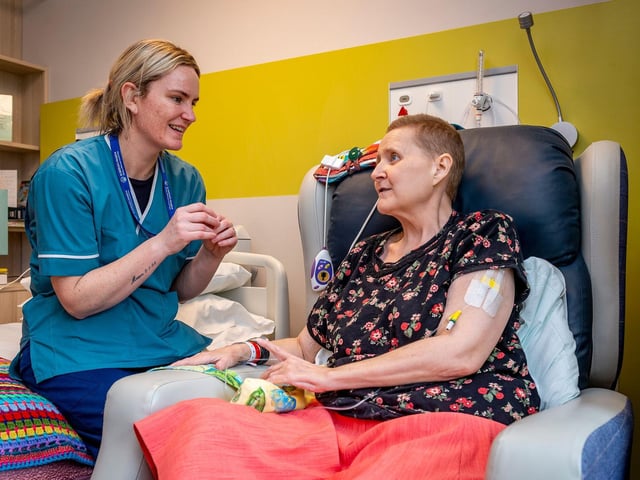
Every day, expert clinical and medical teams support local families to make the most of their time together. That might mean visiting someone at home to manage pain, making sure a patient can sit in the garden, or simply sharing a coffee with loved ones in a hospice café. Care stretches far beyond hospice buildings, into communities across Sussex.
This kind of compassionate, personal support is what families value most. Yet it is under serious strain.
While the cost of living in the UK has increased by 22% since 2020, the government grants for our hospices have increased by just a fraction of that. At St Wilfrid’s, NHS funding covers just 16% of costs. St Catherine’s, St Barnabas and Martlets face similar shortfalls. As charities, the rest must be raised through fundraising, donations, shops, and events.
Communities across Sussex have always been generous, but rising demand and soaring costs are pushing hospices to the limit.
Like many across the UK, Sussex hospices are operating at unsustainable deficits that leave the future of their vital services uncertain – even as the government’s own ten-year plan highlights the crucial role hospices must play in improving community care. Last year’s welcome £100m government fund for hospices was restricted to capital projects such as buildings, equipment, and digital systems. None of it supported the everyday care people depend on: nurses at the bedside, prescriptions for pain relief, or community teams supporting patients at home. With staffing costs rising and recent tax increases, the gap between income and expenditure is only set to widen without radical change.
The impact is already being felt. St Catherine’s has been unable to open half of its new inpatient rooms and has had to reduce staff numbers. At St Wilfrid’s, every budget decision has a direct impact on local families, while St Barnabas and Martlets face similarly painful choices.
Why does this matter? Most people want to die at home or in a hospice, surrounded by loved ones. Without properly funded services, more will die in hospital – often in a place they did not choose, and at higher cost to the NHS. Investing in hospice care is both compassionate and cost-effective.
Communities continue to stand by their local hospices, raising money every day. But coffee mornings and charity shops alone cannot sustain services into the future. Without a sustainable funding model, the services families rely upon will continue to shrink.
Fair NHS funding is urgently needed – funding that reflects the true cost of care, and multi-year agreements with Integrated Care Boards so hospices can plan with stability. At national level, a guaranteed baseline of support is vital to ensure everyone, wherever they live, has access to the same standard of hospice care. The hospices have formed an alliance with others across Sussex, to create a single voice and work in partnership with the Sussex ICB, with the aim of creating effective influence to secure future funding.
This Hospice Care Week (6–12 October), people across Sussex are being asked to support their local hospice – by donating, fundraising, volunteering, or writing to MPs and Sussex Health & Care ICB leaders to call for sustainable funding. You can do this quickly and easily through Hospice UK’s campaign site: action.hospiceuk.org/hospice-care-much-more-than-you-think
In supporting the hospices, the High Sheriff comments:: “Hospice care has transformed the experiences of those who have come to the end of their life and their loved ones. Over the 32 years I have been an NHS GP in West Sussex, the techniques to control symptoms, that are now available to hospice clinical teams, have improved dramatically; although death may never be welcome, it no longer has to be feared.
"However, many people will be surprised, if not shocked, that almost all the funding that is required for this key part of our life journey comes, not from the NHS, but from the fundraising efforts of the residents of West Sussex and their communities.
"Of course, funding in this way can allow more rapid and responsive adaptations to the needs of those they serve – as during the pandemic – but with the dramatic change in core costs, the level of statutory support for day-to-day running now needs to be increased as soon as possible.
"But, while this debate with the government and NHS continues, the hospices and palliative care services in West Sussex urgently need our additional support.”
Hospice care is about dignity, choice, and comfort. It’s about giving people more good days, not just managing their final ones. But unless action is taken now, we risk losing the very services that make that possible.
Together, we can protect hospice care for our community – today and for generations to come.
1. Contributed
Nurse with patient at St Wilfrid's Hospice, Chichester Photo: Submitted
2. Contributed
St Wilfrid's Hospice, Chichester Photo: Submitted
3. Contributed
St Catherine's Hospice Photo: Submitted
4. Contributed
St Barnabas Hospice Photo: Submitted