
The Woodcock and the Woodcock pilot - What to look out for this month from Anna Allum at RSPB Pulborough Brooks
The Woodcock is a rather unusual bird. It is a wader, but is most often found on heathlands and woodland. It is nocturnal, preferring to feed at night-time and sleep during the day.
It is rather plump and barrel-chested yet undertakes long migratory flights. And it utters strange frog-like sounds whilst displaying in spring. It is also a very beautiful bird – its rich rusty-brown patterning means that it is wonderfully camouflaged.
Seeking out Woodcock can be tricky but your best bet is to look at dusk. In spring, the males perform a display, known as roding, where they circle high over the woods at dusk. In winter they will head out to feed in open fields, often wetlands, just after sundown silhouetted against the moon as they fly overhead.
Winter is probably the best time to see Woodcock as several hundred thousand birds arrive here to avoid the cold harsh winters in northern and eastern Europe. They often arrive as a ‘fall’; the migration of hundreds of birds triggered by frosts which prevent them from feeding, or an easterly wind that will help carry them across the North Sea.
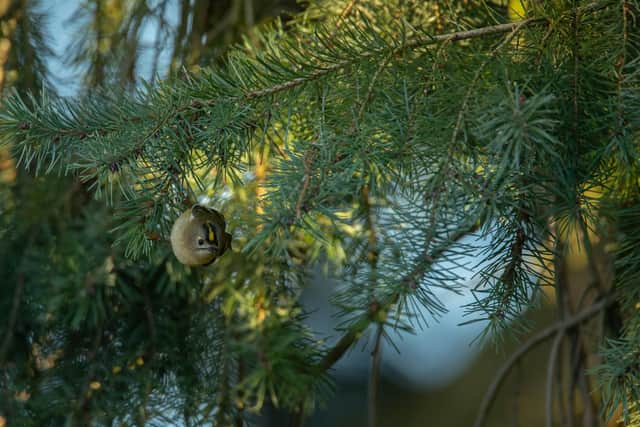

A fall of Woodcock is often accompanied by a fall of Goldcrests. These tiny birds, weighing no more than a 20 pence piece, also make the tricky journey from northern and eastern Europe and across the North Sea to reach our shores. Surely that is a journey too treacherous for such a delicate creature? Well the Goldcrest earned itself a reputation for hitch-hiking, sneaking into the plumage of the Woodcock and hitching a lift across the sea.
Goldcrests became known as ‘Woodcock pilots’, and this paints a lovely image for me; a tiny Goldcrest with its yellow Mohican-stripe complete with Biggles-style aviator goggles!