

Chancellor Rachel Reeves announced in the Autumn Budget on October 30 that – from April 2026 – inherited agricultural assets worth more than £1million, which were previously exempt, will be liable to inheritance tax at 20 percent.
HM Treasury said: “The full 100 per cent relief from inheritance tax will be restricted to the first £1million of combined agricultural and business property. Above this amount, landowners will pay inheritance tax at a reduced rate of 20 per cent, rather than the standard 40 per cent.”
This is causing concern for families in the agricultural industry in Sussex and beyond.
Church Farm, Coombes, has been in the Passmore family since 1901.
Andrew Flake, fifth generation, has taken over from his mother Jenny Passmore – who still works on the farm and runs tours.
Jenny said: “This will really affect my son and his family. He has got a meeting with Tom Rutland – our MP [for East Worthing and Shoreham] in London on Tuesday that the National Farmers Union has organised .
“The rest of us will be going up as well to the rally [in Westminster].”
TV show host and journalist Jeremy Clarkson is expected to be among the thousands of people heading for a major protest at Westminster this week.
Andrew, 30, told Sussex World these are ‘concerning times’ for farmers, who are ‘trying to live off their land and produce food for everyone to eat and use’.
He said: “It feels like it is getting harder and harder to do this over the last few years. We are limited to what we can and can’t do and what we can and can’t grow.
“All the input costs have gone up hugely. Before this budget, it was getting quite hard anyway.
“My grandad, about 40 years ago, was getting paid the same price for grain off the farm as we’ve been getting recently. The produce price is the same but input costs have gone up – it’s gone through the roof.
“We used to be able to employ about 20 people on the farm in my grandad’s day. Now we are struggling to afford to pay one person and make a living off the land.”
Andrew said many farmers are ‘losing our ability to be self sufficient’.
On the big talking point of inheritance tax, Treasury figures state that fewer than 25 per cent of farm businesses will be affected by the changes to Agricultural Property Relief.
However, a Sky News article states: “Analysis by the Country and Land Business Association (CLA), which represents owners of rural land, property and businesses in England and Wales, found a typical 200-acre farm owned by one person with an expected profit of £27,300 would face a £435,000 inheritance tax bill.”
Andrew said NFU studies show that any farm that is over 200 acres will have to pay inheritance tax.
"On top of that, we have capital gains,” he said. “A lot of farmers are just scraping by. For modern day farmers, there is a lot of debt and that’s just for surviving – 25 per cent are below the poverty line.
“It’s not affordable or viable. They are adding extra costs for business vehicles and we can’t offset it.
“They say it could open up opportunities for new farmers and new land to come up in the market. With the way land is valued at the moment, it’s impossible for new entries to scrape the capital together to stock a farm and grow anything let alone to buy it.”
The farm owner, who has young children, remains hopeful they will be the sixth generation but there are no guarantees.
“Now we have more costs and charges, it’s a big worry,” Andrew said.
"They are not being left with much at all.
“My grandad, years ago, got an MBE for farming education and conservation. Back then, he could afford to farm and put time into the environment and looking after everything. That’s something we can’t do.
"We have to farm all the land to get a return to make a living for ourselves. We are talking about survival here.
“Anything can happen, it’s such a big thing. It’s going to affect a lot of people.
"It feels the land is being pulled from beneath our feet. Every percentage of the population use us three times a day.”
HM Treasury said this tax could be paid in instalments over 10 years, which would be interest free, instead of being paid immediately like other kinds of inheritance tax.
They said: “This is on top of all the other spousal exemptions and nil-rate bands that people can access for inheritance tax too. This means that two people with farmland, depending on their circumstances, can pass on up to £3 million without paying any inheritance tax.”
The government has said it is committed to supporting farmers and rural communities, and to helping families pass their land to the next generation.
Andrew added: “A couple of months before the budget, the government said they would back and support us.
“These changes will mean farms are not viable for families living off one business.
“They are our legacy and our livelihood. We are custodians of the land and want to look after them but we can’t.
“I’m a 30-year-old farmer. The average in the farming population is 58. There’s not many of us and, if this keeps going, there won’t be any left.”
1. Sussex farmer criticises new inheritance tax laws
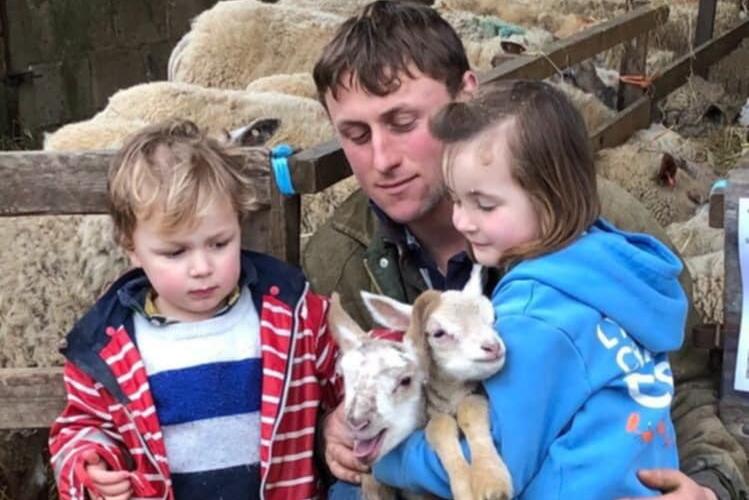
Father-of-two Andrew Flake is the fifth generation owner of Church Farm, Coombes - which has been in the Passmore family since 1901. Photo: Contributed
2. Sussex farmer criticises new inheritance tax laws
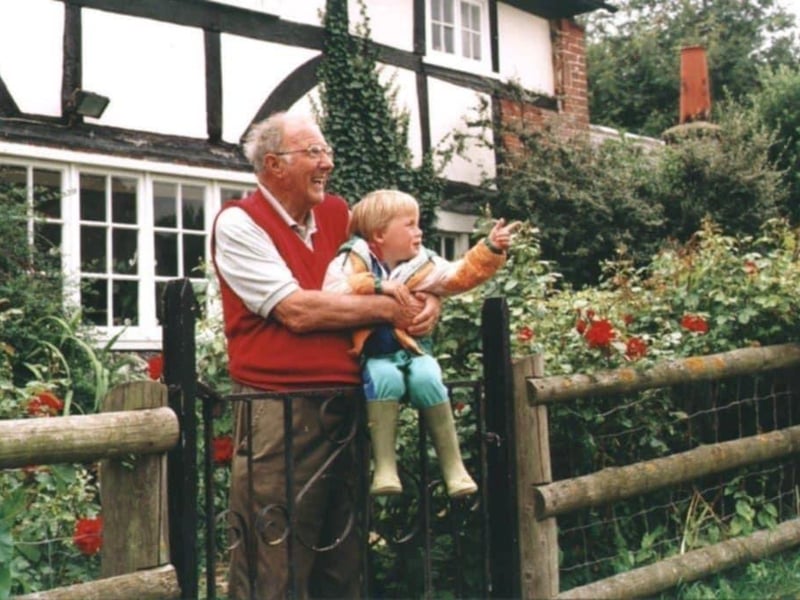
Farmer Andrew Flake, pictured with his grandfather 27 years ago, is the fifth generation owner of Church Farm, Coombes - which has been in the Passmore family since 1901. Photo: Contributed
3. Sussex farmer criticises new inheritance tax laws
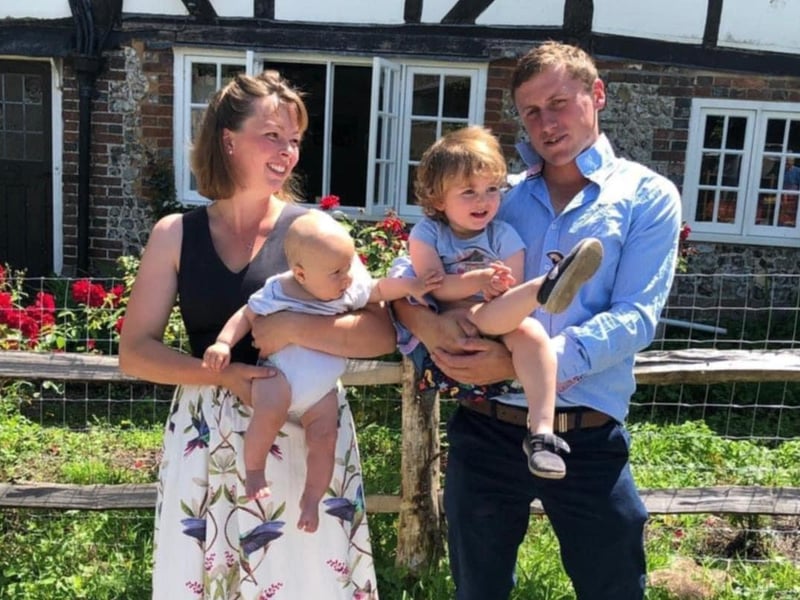
Sussex farmer Andrew Flake with his family at Church Farm, Coombes Photo: Contributed
4. Sussex farmer criticises new inheritance tax laws
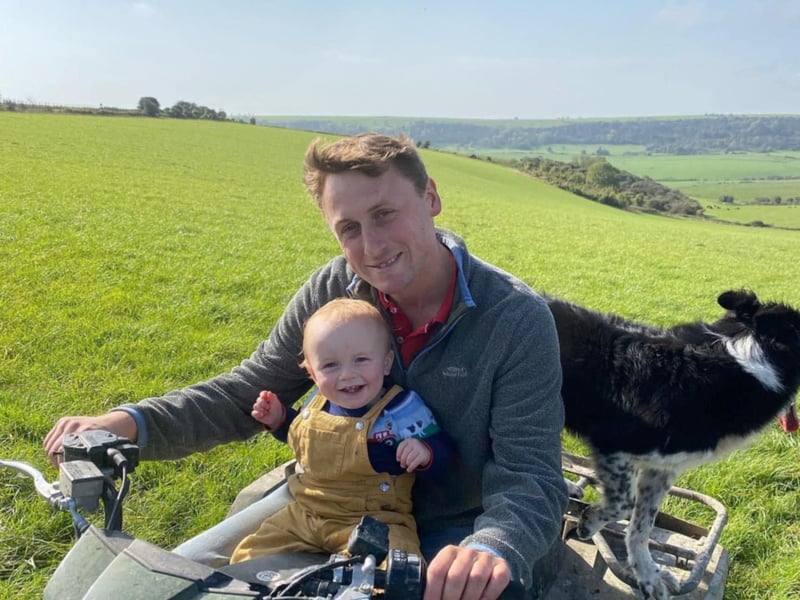
Father-of-two Andrew Flake is the fifth generation owner of Church Farm, Coombes - which has been in the Passmore family since 1901. Photo: Contributed