
West Sussex farmers experience the worst harvest in 50 years
Farmers are ‘really struggling’ after having experienced the worst harvest since 1976 due to extreme weather and financial strain.
The 2026 Harvest season has been particularly challenging after a long summer of record-breaking temperatures and prolonged dry weather.
For farmers across West Sussex the impact of the current climate, both environmentally and financially, has caused huge amounts of strain across their land.
Frans De Boer, chair of the NFU for West Sussex and a farmer in Steyning, highlighted the impacts and concerns that many farmers across the district have.
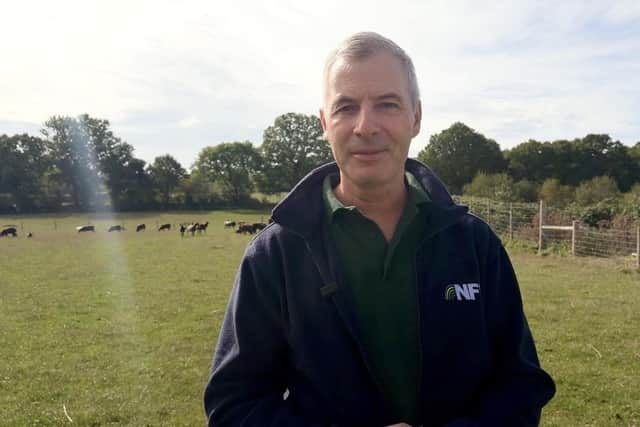

He said: “So it's been a really tricky year this year, it's been so dry.
“We've had another drought, so that's three droughts in five years and it's really taken its toll this year because it's been even worse.
“It's the worst that I've ever remembered and certainly the worst since 76, which is 50 years ago.
“The main impact has been the low yields of crops. So our cereal crops are down by about 30%, same with our maize crops
"So we're really struggling.”
The poor summer grass growth has also meant that Frans has had to feed his livestock their winter forage early. Using up this winter stock means farms could potentially run out of food by spring or be forced to buy highly expensive additional feed.
Apart from the environmental challenge, Frans also mentioned the financial strain that many farmers are dealing with.
The price of fertiliser this year is record high due to diesel prices, driving production costs higher than the actual market value of the produce, leaving farmers without the expenses to buy supplies for next year's crops.
Therefore, for many farmers, including Frans, the production costs are higher than the actual sell, meaning British farmers are losing money.
According to the Agriculture and Horticulture Development Board (AHDB) wheat, spring barley and oat yields have all depleted in historic averages already this harvest season. However barley yields were in line with their five-year average at 6.9 tonnes per hectare.
Frans continued: "The public can support farming by buying British, that's really important, supporting the British farmers locally and obviously looking through the supermarkets to make sure they are buying British and not buying imported.
“It's obviously easier for the supermarkets and government to import food because it's slightly cheaper than we can produce here unfortunately.
"But if they really value food security and they really value British farmers, then buying British is definitely a really positive thing that they can be doing.”