
Ambulance service celebrates 20th anniversary

Sussex’s ambulance staff celebrated the efforts of thousands of staff members and volunteers as a milestone was reached.
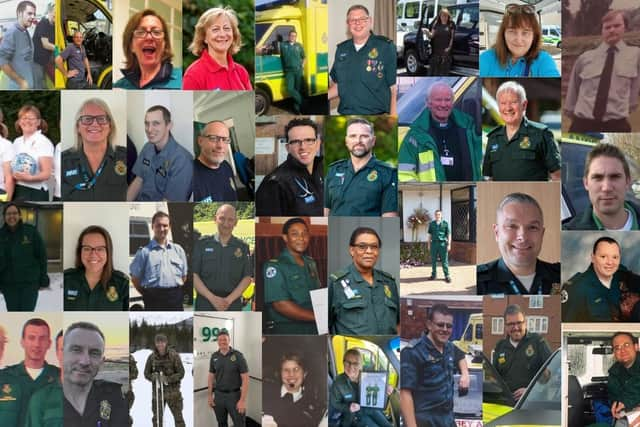
Wednesday, July 1, marked 20 years since the South East Coast Ambulance Service NHS Foundation Trust – known as SECAmb – was formed through the merger of the Sussex, Surrey and Kent ambulance services.
In 20 years, its 999 call volume has more than doubled to more than one-million calls a yaer, and alongside calls handled by NHS 111 teams the service supports more than two-million patient interactions each year while playing a pivotal role across urgent and emergency care.
SECAmb chief executive Jen Allan said: “On SECAmb’s anniversary I want to thank everyone who has helped shape our service. While there have been changes to how care is delivered, one thing has remained constant – the dedication of our teams and their commitment to patients. Recent CQC inspection reports of our service highlight this, praising the compassionate, person-centred provided every day.

“We’ve set out an ambitious vision for the future. By embracing innovation, strengthening virtual care and continuing to invest in colleagues, we will remain a modern, clinically-led ambulance service able to meet the changing needs of our patients while keeping compassion and kindness at the centre of everything we do.
“As we look ahead, I’m confident that the same dedication, compassion and commitment that has defined SECAmb for 20 years will continue to guide us to deliver the best possible care for our patients and communities.”
As the service marked its 20th anniversary, people who have been part of the organisation since its formation reflected on the changes they have seen and the pride they feel in serving their communities.
Among them was paramedic and quality lead Mark Haydon, who joined Sussex Ambulance Service in 2002 working for patient transport, a common route into the ambulance service at the time. He qualified as an ambulance technician the following year before progressing to become a paramedic in 2011.
Since then, he has worked across a wide range of roles, including dual role in emergency operations centres (EOC) and on the road, as well as managing clinical teams in EOC. He now works in a senior role overseeing patient safety within the service’s quality and nursing department.
He said: “Over the years, SECAmb has given me so many opportunities to learn, develop and progress. I’ve always felt supported throughout my career and I’ve also worked with some amazing colleagues. They’ve taught me the importance of continuing to learn, reflect and improve, both as individuals and as an organisation so that we can provide the best possible care.
“I’ve also seen the role of clinicians evolve significantly. As paramedics, we have a greater scope of practice and also greater access to support through our clinical hubs and clinicians in EOC, helping us make the right decisions for patients.
“The most important thing for me remains the connection to our patients. I still make sure I respond to calls – it’s why I chose to join the ambulance service.”