

Two of the six bells at St Peter's Church in Upper Beeding date back to around 1350. They are the earliest bells on the Dove Bell Register to be cast by the Yapton group, and two of only three examples listed.
The Yapton bells are standard-shaped, the heaviest being the tenor, weighing 393kg, and the other weighing 284kg. They hang alongside four other bells, made by Mears & Stainbank in 1893.
The Grade II* listed parish church has a rich history, with a Norman building dating back to the 11th century and additions and alterations over the centuries.
The chancel and south aisle were added in the 13th century, and the tower was built in the 14th century. Extensive restoration took place in 1857, under the direction of architect John Johnson, including extending the nave.
Among the oldest parts of the church are the 12th century font and the 13th century chancel arch, and some of the medieval stained-glass windows survived the English Reformation in the 16th century.
Peals are the very essence of an English village and the bells at St Peter's had been calling the village to worship, chiming at weddings, tolling at funerals and warning of danger over the centuries.
The church previously had eight bells but two trebles dating back to 1898 were removed in January 2009 during a £30,000 restoration project. One is now in use at a church in Menangle, Australia, and one in Newnham, Hampshire.
A Viridor grant of £20,000, plus donations from individuals and the Sussex Churches Bell Restoration Fund, gave the church the opportunity to restore its ancient bells.
The bells and fittings at St Peter’s Church were removed and taken to the Whitechapel Bell Foundry in London in January 2009. The foundry had been in business since 1420 and made the frame from which the Upper Beeding bells were hung, as well as four of the bells, under the name Mears & Stainbank.
Maintenance work had been carried out in 1965, and again in 1980, but by 2009, major works were necessary to provide a lasting legacy and make the bells fit for ringing by generations to come.
Members of the church and other local towers helped with the dismantling process, under the direction of Simon Dyson, of Chichester architects HMDW, enabling the church to keep costs down.
The tower was silenced for two months while the restoration took place but the church bells rang out again following their return in March 2009.
Sadly, the bells currently hang silently once more. David Kirkcaldy, bell adviser to the Diocese of Chichester, reported to the Dove’s Guide for Church Bell Ringers in March 2025 that ringing was not permitted as all the electrics in the church needed to be replaced.
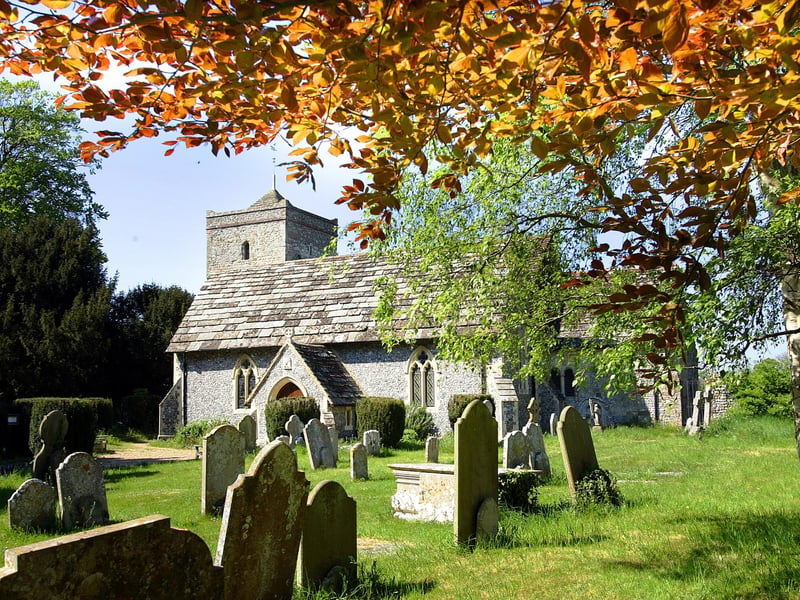
1. St Peter's Church, Upper Beeding
St Peter's Church, Upper Beeding, has the earliest examples of church bells made by the Yapton group Photo: Steve Cobb
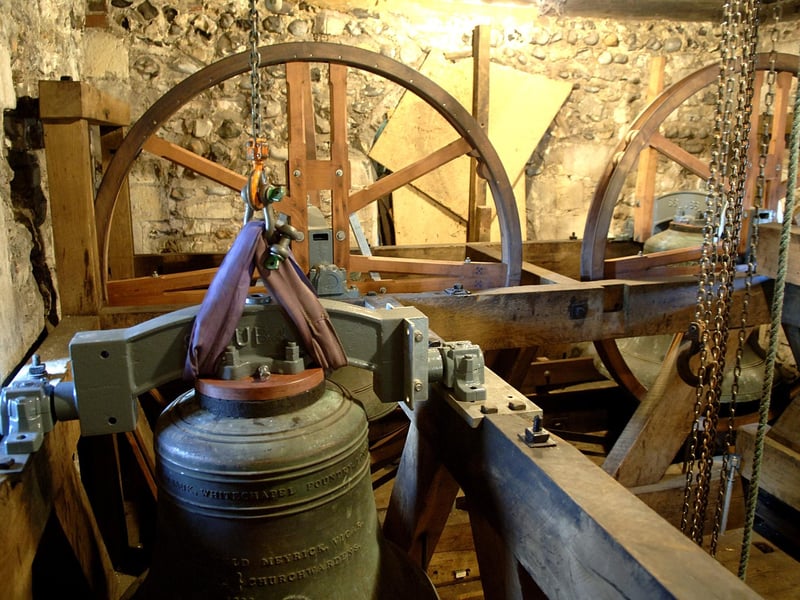
2. St Peter's Church, Upper Beeding
The Whitechapel Bell Foundry in London made the frame from which the Upper Beeding bells are hung Photo: Gerald Thompson
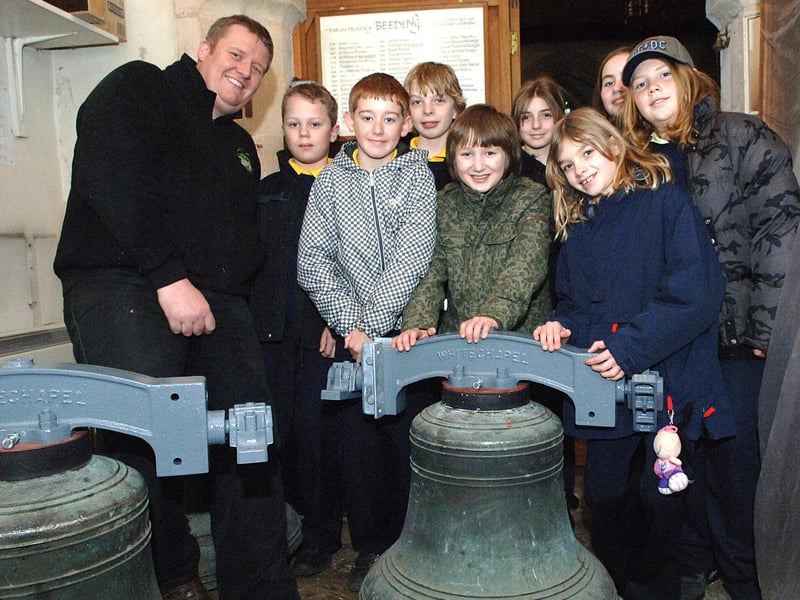
3. St Peter's Church, Upper Beeding
Darren Woodyer with pupils from Upper Beeding Primary School in March 2009 Photo: Gerald Thompson
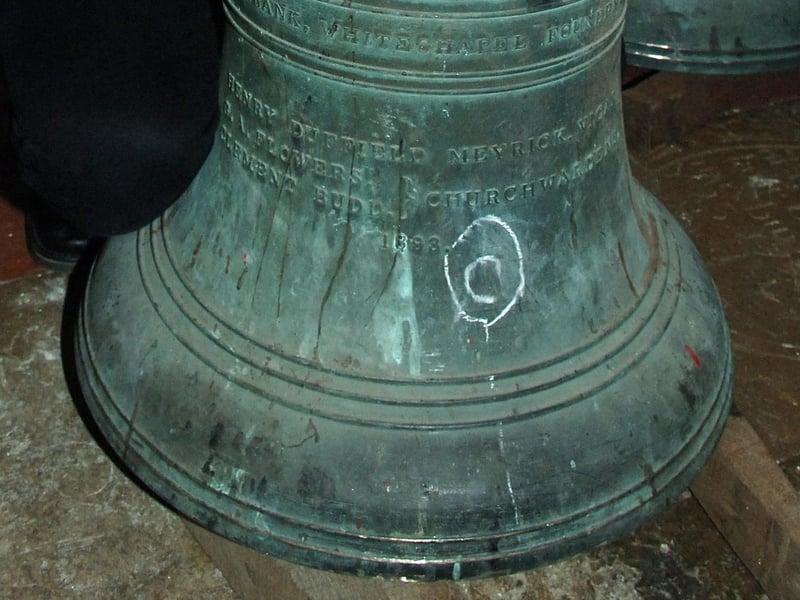
4. St Peter's Church, Upper Beeding
One of six bells that were returned to the church in March 2009 following restoration Photo: Gerald Thompson