

The Beeding Toll House was one of the first buildings at the museum when it was reconstructed in 1970 and is now the last survivor of the 18th and 19th century cottages where money was collected from passing traffic on turnpike roads.
Tastes Through Time dressed the toll house as if it was 1809 for the Living History weekend on April 25 and 26. Lindsey Ratcliffe and her daughter Georgina Ratcliffe were dressed for the period, showing visitors what life may have been like for toll house keepers.
Their extensive research into the Beeding toll house, which dates back to 1807, revealed some of the horrors experienced there.
There had been an attack at Hurst Green Gate in August 1844, where the toll house keeper was 'attacked by some ruffians' and beaten so badly, he lay at the point of death for some time.
Another attack followed just days later at Beeding Gate, where the keeper was an elderly man. He was 'knocked up' by three men, who 'laid hold of him' and aimed a blow at his head.
He managed to avoid the punch and broke away. Dressed in only his shirt, he succeeded in closing the door. As they attempted to break in again, he warned the attackers that he was prepared with a double-barrelled gun and eventually, they left.
Lindsey said: “They were very prone to that, the toll keepers, because, of course, they had money, ready money, with them. This was the main road between Horsham and Brighton, which then was Brighthelmston, the Prince Regent's summer pad.”
Geogina explained there would usually be at least two people working in the toll house, as the keepers could be fined for missing a toll.
She said: “You had to be very well educated. You had to count, you had to write and read, and there were different tickets, depending on what people were paying for.”
One more amusing story she told was of the keeper who had to go chasing after the post cart in his nightshirt at 3am because he had thrown his trousers out of the window instead of the post bag!
Toll house keepers would have grown their own vegetables in their garden, as the museum already shows. Thanks to a generous donation from a museum supporter, the team is working on expanding the toll house garden to improve accessibility and giving a fresh interpretation in the house, set in the 18th and 19th centuries.
Taller trees to the west now cast more shade than when originally planted, so the garden is being repositioned to allow better sunlight for the plants.
Head gardener Carlotta Holt explained the woodland plants in the old garden, around the wood store, pigsty and privy, will be retained but new footpaths will be installed around the rest of the garden, with new planting of heritage fruit, vegetables and herbs, as well as cottage garden plants.
She said: “There will be an opportunity to work your way around and view the garden. We are widening the paths, so it's easier for people to pass each other, having little viewing areas and perhaps seats as well.
“We are moving our herbaceous cottage garden plants and there will be heritage vegetables and various fruits, like gooseberries, redcurrants and rhubarb.
“There will be better growing conditions. The technique we're using is a no-dig method, trying not to disturb the soil too much. It's much better not to disturb the soil, with the nutrients that are in there, and the worms.
“The woodland area we will keep as it is. Food would have been important but they would have been able to have some cottage garden herbaceous plants as well. As people approached the toll house, they would have wanted to have something nice to look at.
“Some of the plants we might grow here may be a little grand for toll house keepers but, you know, maybe people gave them a few flowers and plants as they passed through. That's the sort of story we're telling within the garden.
“As near as we can, we're growing varieties that fit the period. Interestingly, potatoes arrived in Britain in the mid-16th century, from America, and they were very much for the higher echelons. It took a couple of hundred years before potatoes became the staple food for the poor, so just at this period is where potatoes were really getting going, sort of 18th century to 19th century.”
The volunteer gardening team will be collecting their own seeds where they can, just as the toll house keepers would have done.
The Beeding Toll House was built in 1807 when the new road was established. The reimagination project will include work on the structure of the building and adding a fireplace to the bedroom, which was not included in the original rebuild.
Julian Bell, curator, said: “Our goal is to preserve the building’s historic character while enhancing the visitor experience. These small changes allow us to tell a fuller story of life in the toll house.”
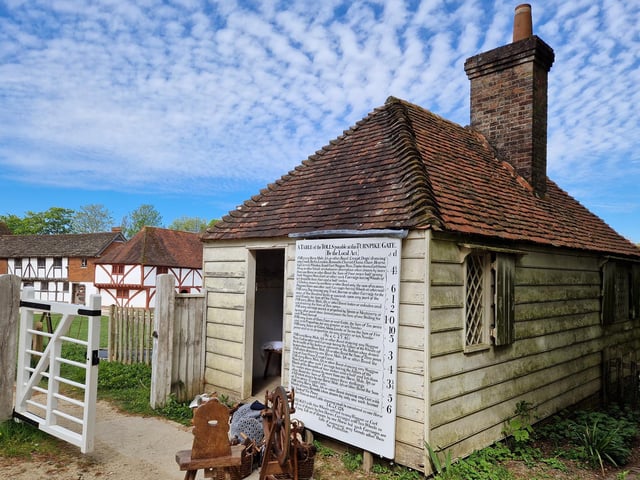
1. Beeding Toll House
Weald & Downland Living Museum is working on a reimagination project at the Beeding Toll House Photo: Elaine Hammond
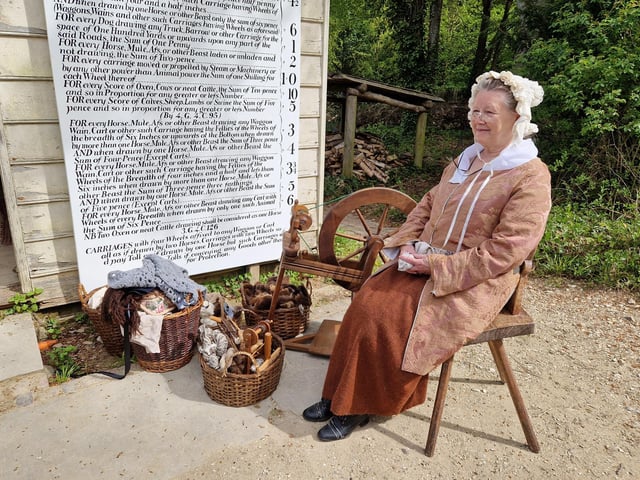
2. Beeding Toll House
Lindsey Ratcliffe from Tastes Through Time dressed for 1809 Photo: Elaine Hammond
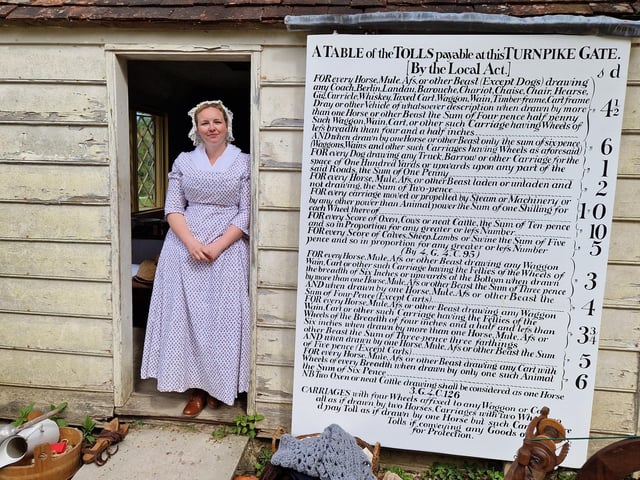
3. Beeding Toll House
Georgina Ratcliffe with the table of tolls Photo: Elaine Hammond
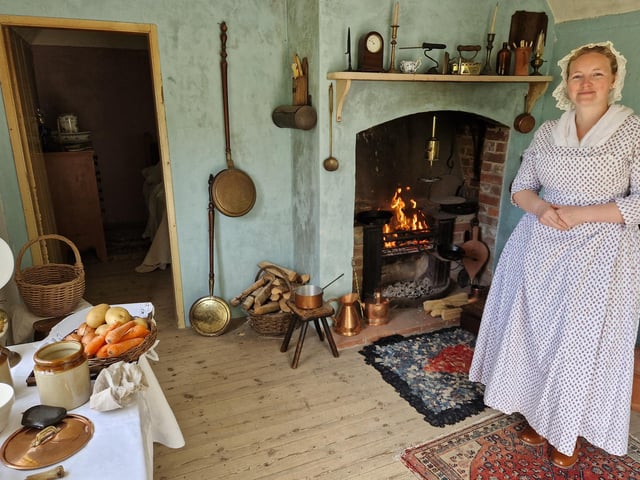
4. Beeding Toll House
The main room of the cottage Photo: Elaine Hammond