
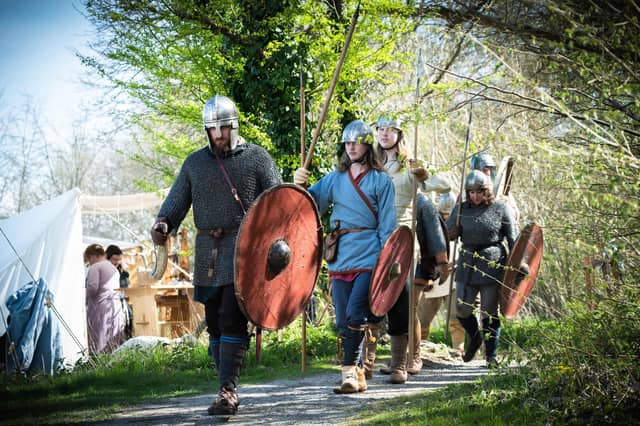


The museum's approach means there is again a full Living History programme for 2026, celebrating the rural lives of the people who once lived and worked within the museum's historic buildings. This year, additional living history groups will be welcomed to support the offer throughout the year.
Black Knight Historical moved in for a nine-day Candlemas residency in February, living in North Cray Medieval House as if it was the winter of 1462. Visitors were be able to witness first-hand how people survived, worked and lived in those days.
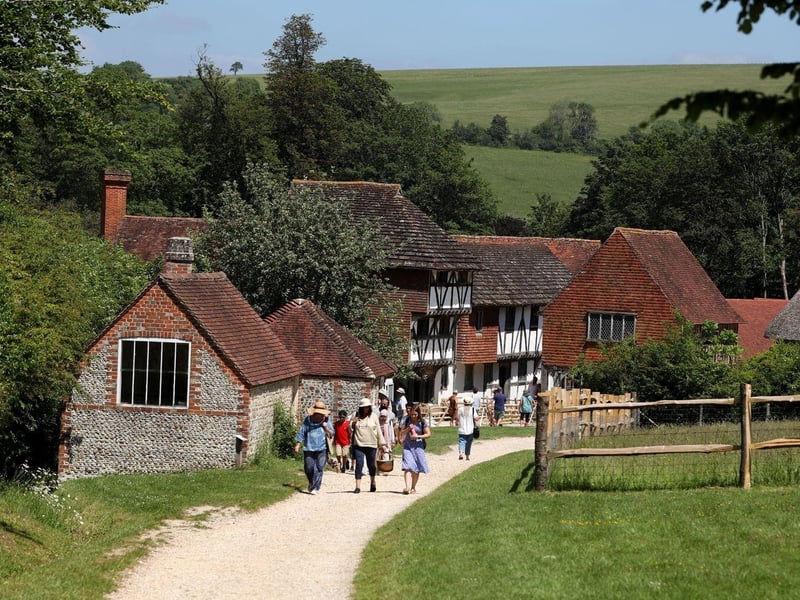
The team inhabited the hall-house in the village area of the museum, fully dressing, furnishing and living within the building as a late medieval household might have done.
The house has four bays with a central open hall between the service and solar ends. The timbers are painted red, following evidence this was done when the house was originally built, probably in the 15th century.
It was due to be demolished for road widening in 1968 but the London Borough of Bexley agreed to dismantle it instead and store the timbers in the hopes of rebuilding it nearby.
Ten years later, with no progress being made, it was decided to donate the timbers to the Weald & Downland. The museum chose to house the classic medieval building in the village area, as this matched its original context.
The jettied end and a side elevation both faced a road on the original site, so the building was an ideal candidate for the corner site next to the Upper Hall from Crawley.
Ian Pycroft, founder of Black Knight Historical, the team’s immersive experience at North Clay had been a highlight of 2025, bringing the building to life and taking members away from the digital world for a short time, so he was delighted to return to Weald & Downland for a second year.
The team demonstrated the realities of daily medieval life, from cooking and sleeping to cleaning, crafting and labour. Activities and demonstrations included repairs and maintenance, crafting and textiles, woodwork, food preparation and butchery demonstrations, religious devotions and record keeping.
One teacher who visited with a school group said: “The day had a profound impact on our pupils. The opportunity to encounter historians who were not ‘performing’ but genuinely living within the North Cray Medieval House gave the children a vivid and lasting insight into everyday life in 1462. Many have commented on how real and immersive the experience felt, and how it helped them understand medieval life beyond textbooks and timelines.”
Other experiences coming up this year will give visitors a taste of history from Saxon to Victorian times, with a particular focus on ordinary rural life.
Hannah Miller, head of interpretation and collections, said: “Our Living History programme is central to how we bring rural life to the public. Across the seasons, these events help us keep heritage skills, traditions and everyday rural experiences alive. By working with specialist living history groups, we can present the ordinary lives of the past in a vivid and meaningful way.
“From medieval harvest celebrations and Anglo-Saxon camps to Victorian markets and 17th century military life, our programme offers something for every season, with hands-on learning that allows visitors to step inside history and truly experience how people lived, worked and survived in the countryside. It’s about making heritage accessible, engaging and relevant for today’s audiences, while safeguarding these stories for the future.”
The open-air museum is dedicated to preserving and sharing the rural heritage of south eastern England, through historic buildings, traditional skills and immersive events that brings the past vividly to life for visitors of all ages.
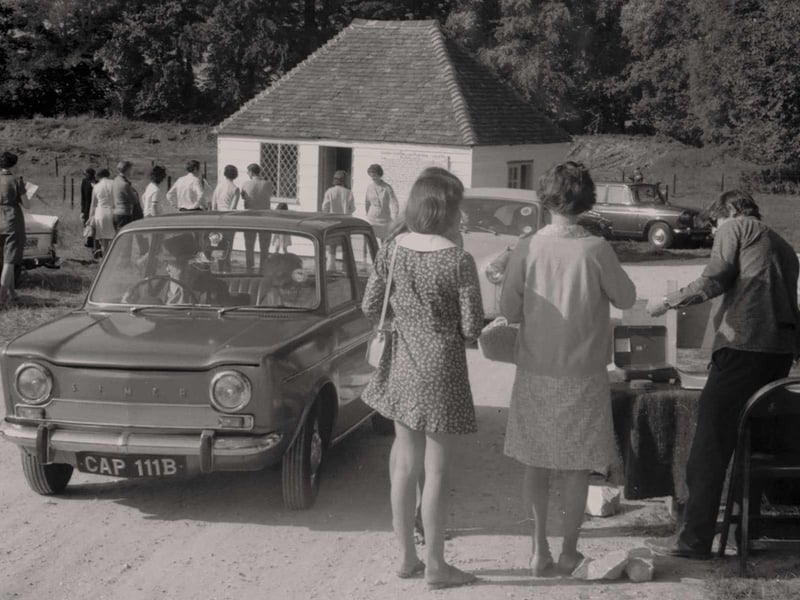
The museum is home to many historic buildings, including the original toll house from Upper Beeding. One of the first buildings to be reconstructed on site, it was moved to the museum in 1968 and used as the ticket office at the opening in September 1970.
Toll houses were provided on turnpike roads in the 18th and 19th centuries and this icon of the time will be the focus of the next Living History weekend, Life in the Toll House on April 25 and 26.
This example, built in 1807, is characteristic of toll cottages in the triangle linking Worthing, Horsham and Shoreham, used for the collection of tolls from passing traffic to pay for road maintenance. This is the last survivor of this type — all the others have been demolished for road improvements.
The Beeding Toll House was dismantled after an accident in which a lorry caused severe damage to the structure. The toll board on display outside the cottage came from Northchapel, near Petworth.
The Life in the Toll House weekend will be an opportunity to see the progress on the reimagining project, including restoration work and reinterpretation of the historic garden. Living history specialist Tastes Through Time will be there to show how daily life may have unfolded in this historic building.
For Victorian Showtime from May 23 to 25, visitors will be able to step into the spectacle of a 19th-century travelling show run by Melford Hys Companie. The Victorian entertainment will feature curious characters, daring performances, tales of Empire, a doctor who claims to cure all ills and the ever-resourceful Gristle Sisters with their snacks and tea leaf readings.
Midsummer Celebrations on June 13 and 14 will see the whole site explore traditions of the season, from Saxon to Victorian times. Interpreters will include Black Knight Historical Group, Historical Re-enactment Workshop, Tastes Through Time and The Bard Dawn.
Early Anglo-Saxon Life on July 4 and 5 will give a fascinating glimpse into life during the 6th and 7th centuries, with Wulfheodenas Living History Society setting up camp.
Victorian life will again be the focus for the Living on the Edge weekend on July 18 and 19. There will be a Victorian market and The Ragged Victorians will show the realities of working-class life, while The Rifle Brigade re-enactment group will recreate a 19th-century military campaign camp.
Black Knight will return for Lammas Weekend from July 31 to August 3, when 1484 will be the focus. The Market Square will be brought to life with medieval traders and stalls in full festive spirit for a Lammas Fayre, celebrating the blessing of the First Fruits of Harvest.
War of the Three Kingdoms on August 22 and 23 will see the Wardour Garrison Living History Group recreate life during the turbulent 17th century.
The Tudor Group will lead a traditional Michaelmas celebration on October 3 and 4, complete with a lively market around the square and demonstrations of 16th-century life.
Visit wealddown.co.uk for full details of the year's programme and to pre-book tickets.
9. Living History
One of the original buildings to be reconstructed on site, the Beeding Toll House was used as the ticket office at the opening in September 1970 Photo: Weald & Downland Living Museum
10. Living History
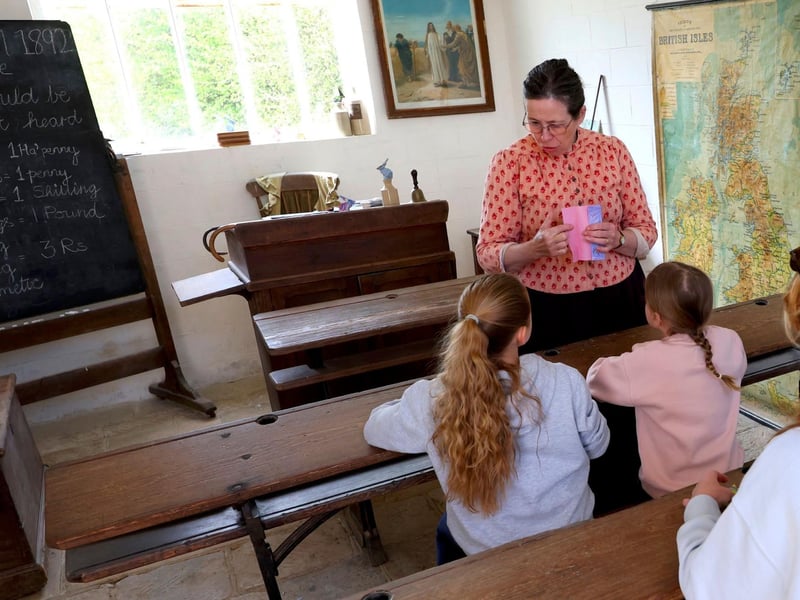
Victorian half term in the 1851 school building that was relocated from West Wittering Photo: Weald & Downland Living Museum
11. Living History
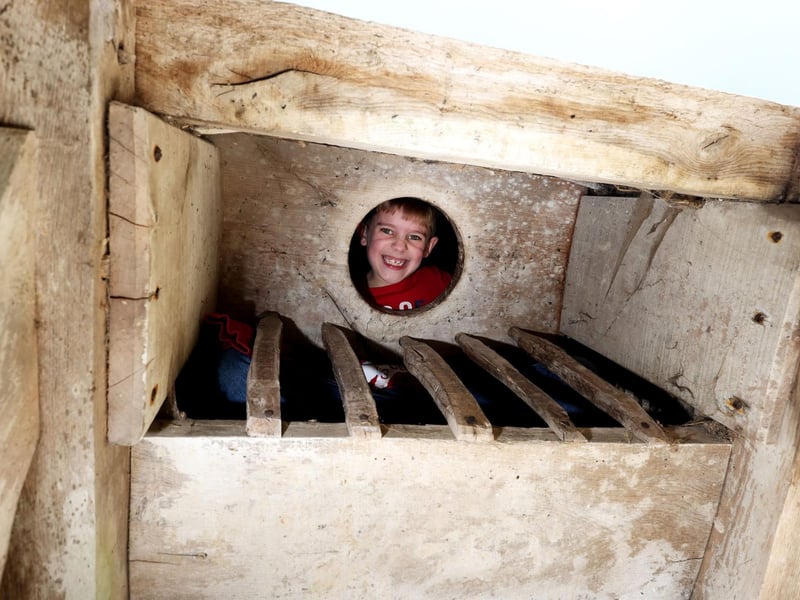
Learning about rural lives at the Weald & Downland Living Museum Photo: Weald & Downland Living Museum
12. Living History
The village area of the museum is a hive of activity Photo: Weald & Downland Living Museum