
Changes to local government cause concern in Lewes and Wealden
Top down' housing policies and fundamental changes
Top down' housing policies and fundamental changes to how local government will be run have triggered concerns from the region's MPs and councils.
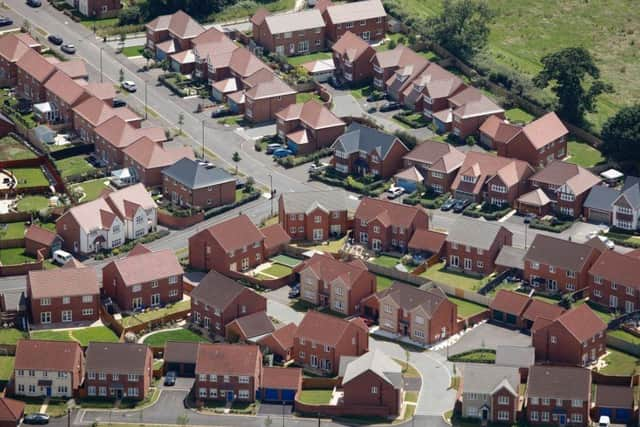

The newly released devolution White Paper proposes significant changes including the potential scrapping of district councils. And publishing its response to a consultation on proposed changes to the National Planning Policy Framework (NPPF) last week, the government said that local councils now have 12 weeks to come up with timetables for new housebuilding plans. If they fail to do so, the government could intervene and take them over.
It also says that councils must allow housebuilding on green belt land, which will be allowed if other options have been exhausted.
Lewes MP James MacCleary describes the approach to local government reorganisation feels like 'shifting the deckchairs on the Titanic' rather than addressing the real issue - chronic underfunding of local councils. He continued: "On this and other issues, it seems the government is shifting the deckchairs on the Titanic instead of tackling the fundamental problem: inadequate funding for local councils.
"Unitary authorities are struggling as much as two-tier authorities ,and without an urgent funding settlement, our communities will bear the brunt. As a former District Council leader, I’ve seen first-hand the positive difference councils can make when they’re properly funded, like leading the way on building social housing. As the government moves forward with these changes, it’s vital they listen to local voices, ensuring that decisions are shaped from the ground up. I welcome the move to delegate powers, but it’s crucial these powers are entrusted to an authority that understands Sussex - from our coastal towns to our South Downs villages and historic towns like Lewes. There is so much untapped potential in our region, coupled with natural beauty, and we should support our communities to thrive, not impose atop-down structure."
Meanwhile Lewes District Council's Green Party councillors warn of the risk to Lewes district’s green spaces over government plans to introduce immediate mandatory housing targets for local authorities.
Lewes district councillor Charlotte Keenan said: “It’s truly shocking that the government is introducing immediate mandatory housing targets, while telling councils that they may have to allow house-building on green-belt land. The real housing crisis is the number of people living in short-term accommodation and unable to find social housing, and young families unable to afford a first home.
“These new rules just give fat-cat developers the green light to build expensive and unneeded executive homes over much-needed countryside.”
Lewes district councillor Paul Keene said: “It's an insult to communities to present this as a binary choice between 'builders and blockers'. Local people are capable of understanding that there is a balance to be struck: homes, food, nature, local energy, infrastructure and flood risk management all need to be considered when looking at land use."
Lewes District Green Party urges concerned residents to tell deputy prime minister, Angela Rayner, about their worries over sky-high housing targets by signing this petition:https://actionnetwork.org/petitions/stop-government-plans-to-prioritise-sky-high-housing-targets-and-bypass-local-communities/.
Wealden District Council is concerned that the top-down housing target for the district has increased yet again. A spokesman says in 2013,based on the constraints in the Wealden district, a planning inspector agreed that the right level of new housing up until 2027 should be 450dwellings per annum. The new top-down target is now going to be over1,400 per annum.
The spokesman goes on: "Further tinkering with the planning system will inevitably lead to delays to local plan production while we all work through the detail to make sure we do not fall foul of an evermore complex system. Moving from a 4-year land supply requirement to a6-year requirement means that, despite having a bank of rapidly approaching 9,000 dwellings approved in the district, we will likely see the power shifting back towards developers enabling them to choose where to get the next consent they might or might not build.
"As a council we are not averse to granting planning permission, as shown by the scale of our consents book. We do, however, object to growth being allowed in the most sustainable locations only to see it remain on paper and not get built. This new NPPF means we may be forced by the system to grant further consents in less suitable places, by developers gaming the system."
--Susan King Senior Reporter Sussex Express Mobile 07976 800 195