
This is how many tool thefts have been reported in Sussex since 2021
New figures have revealed how many tool thefts have been reported in Sussex since 2021.
Freedom of Information data obtained by 2580 Group shows that 632 tool thefts were reported to Sussex Police between January 2021 and December 2025.
Last year, hundreds of tool marking kits which use DNA tracking technology were handed out to tradespeople in Sussex to help tackle tool thefts.
A Sussex Police spokesperson said: “We recognise the ongoing financial strain victims suffer from the cost of replacing stolen tools as well as the disruption it has on those trying to earn a living.
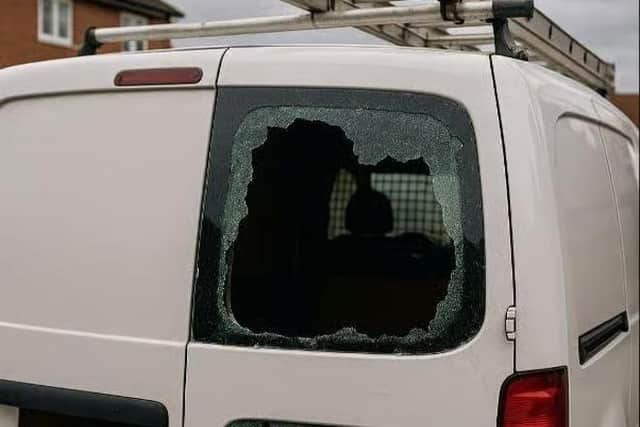

“Sussex Police is tackling tool theft through patrols in high-risk areas, shared intelligence, property marking supported by the Police and Crime Commissioner's office, CCTV, and witness evidence collection for any reported cases, as well as a dedicated operations.
“Officers continue to work closely with local businesses, trade associations, and tradespeople to prevent these crimes before they happen.
“We encourage anyone who sees suspicious activity to report it immediately – this information could help us catch criminals in the act.
“We offer the following tool theft prevention advice:
- Identify areas of property where tools are stored that may be vulnerable to forced entry and have them made more secure.
- Doors and windows are particularly vulnerable – use security-rated products to make them more burglar-resistant.
- Do not leave tools on show if leaving a van or premises unattended.
- Don’t store your tools in vehicles at night and consider using "there are no tools left in this vehicle" signs.
- Gravel driveways and paths where possible make it harder for burglars to go undetected.
- Mark property with tool marking kits, paint, permanent markers or ultraviolet pens. Additionally, take photos and keep a note of any serial numbers to prove ownership.
- Park your van in a secure, well-lit location.
- If possible, park your van so the side and/or back doors cannot be accessed.
- To prevent the van itself being stolen, consider visible deterrents like a steering lock.
“Further crime prevention advice is available on our website: Keeping vehicles safe | Crime prevention | Sussex Police.”
A spokesperson at 2580 Group said: “When tools are stolen, it’s not just an inconvenience. It means missed jobs, lost income, cancelled contracts and, in many cases, thousands of pounds spent replacing equipment just to get back to work. Behind every theft is a real person or business whose livelihood has been disrupted.
“But the impact is being felt even more sharply right now because businesses are already being squeezed from every direction. Whether you’re a large firm or a one-man band, the rising cost of trading has really put huge pressure on businesses. Losing tools or specialist equipment can be disastrous for businesses that are already operating on tight margins, dealing with delayed payments, and trying to keep cash flow under control.
“Not to mention, the Autumn Budget has only added to that pressure, with higher employment costs and wages set to rise again, forcing businesses to make difficult decisions about staffing, pay and pricing.
“At the moment, tool theft is generally treated as a low-level crime based purely on the value of the tools taken. That’s why the Theft of Tools of Trade (Sentencing) Bill has become such an important issue for the industry. The proposed changes would recognise the real harm caused, including lost earnings, business disruption and repair costs, and allow courts to impose tougher sentences that better reflect the true impact on tradespeople’s lives.
“While tool theft can happen anywhere, the data shows that certain areas are clear hotspots. Knowing where theft is most common can help tradespeople take extra precautions and potentially avoid lost earnings and rising insurance premiums.”