
Bird flu outbreak in East Sussex: ‘highly pathogenic avian influenza’ found in commercial poultry near Uckfield

A Bird flu outbreak has been confirmed in East Sussex.
The Department for Environment, Food and Rural Affairs (Defra) confirmed ‘highly pathogenic avian influenza’ was detected in commercial poultry near Uckfield.
A 3km protection zone and 10km surveillance zone has been declared around the premises, and all birds on the site will be ‘humanely culled’, Defra confirmed.
East Sussex County Council and Wealden District Council have called on residents and businesses who house birds to remain alert for any signs of disease. The authorities said any cases of suspected disease should be reported immediately.
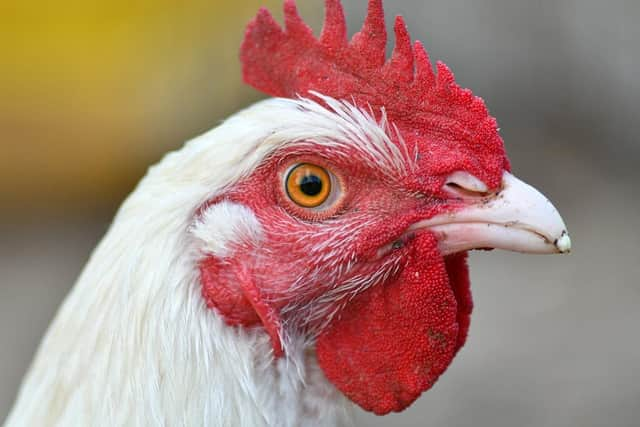

A spokesperson for Wealden District Council said: “Animal Health Officers will be working to advise flock keepers and members of the public to be alert and take necessary precautions to help prevent the spread of the disease. Please visit the Animal & Plant Health Agency (APHA) website for guidance for bird keepers and the public. Restrictions on the movement of birds in these areas will also be in place.”
The UK Health Security Agency (UKHSA) has advised that the risk to the general public’s health is ‘very low’. The Food Standards Agency (FSA) has said bird flu poses a ‘very low food safety risk’ to UK consumers. The FSA said properly cooked poultry and poultry products, including eggs, are safe to eat. People can find out more about bird flu and biosecurity at www.gov.uk/guidance/avian-influenza-bird-flu or phone to report any symptoms in birds to the Defra Helpline on 03459 33 55 77.
A message on Wealden District Council’s website added: “Flock keepers are being asked to look for any signs of diseases while ensuring good levels of biosecurity at their premises.”
The council listed the signs of Bird Flu as: unusual quietness, decreased activity levels, decreased levels of vocalisation;, decreased levels of feed and water consumption, and decreased egg production. Those concerned about the health of their animals should seek advice from their vet.
The council said avian influenza is not airborne, ‘except over very short distances’, and is spread by movement of infected birds or contact with ‘respiratory secretions and in particular faeces, either directly or through contaminated objects, clothes and vehicles’.
Wealden District Council explained that it is a legal requirement for bird keepers to register all flocks of birds so information can be sent to them. Visit www.gov.uk/bird-flu.
The council said these are the measures poultry keepers can take to protect birds against avian flu:
Keep the area where birds live clean and tidy (control rats and mice and regularly clean hard surfaces).
Keep chickens and turkeys completely separate from ducks and geese.
Conduct regular maintenance checks on sheds.
Clean moss off the roofs, empty gutters and remove vegetation between sheds where birds are kept.
Draw up contingency plans for storing bedding and dealing with pests.
Place birds’ feed and water in fully enclosed areas that are protected from wild birds and remove any spilled feed regularly.
Put fencing around outdoor areas where birds are allowed and limit their access to ponds or areas visited by wild waterfowl.
Clean and disinfect footwear before and after entering premises where birds are kept.