
'I have not been able to swim in Worthing this year because of the wastewater'

Sea swimmers in Worthing say they have been unable to enjoy the water this year due to repeated wastewater releases.
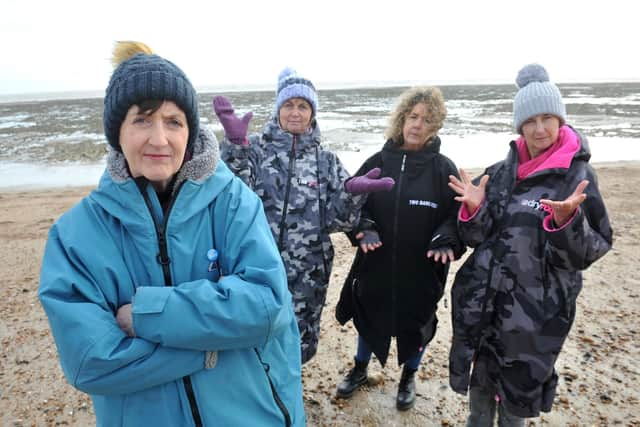
Gill Collins said she was frustrated by the number of discharges from Southern Water’s East Worthing No.3 outfall.
She said: “I am a sea swimmer, but I have not been able to swim this year because of the wastewater. Last year, for the same period, there were four releases. This year, from the first of January to now, there have been sixty-one genuine releases, all of which have affected the bathing waters of Worthing and Goring beaches.
"Can you explain why this is happening? Can it be stopped? Is it safe to swim in the sea during this time?”

Ms Collins referred to official figures, which revealed that in 2025 (between January 1 and March 10), Southern Water discharged untreated waste water, that ‘impacted Worthing Beach for just over three hours’.
She added: “This year, for the same period there has been 622 hours of genuine releases – 57 individual releases, impacting on Worthing beaches – this is a 155.5 fold increase – so really can’t just be attributed to rainfall.
"Surfers Against Sewage have advised against swimming while Southern Water continue their daily discharge and I have reached out to my local council.”
In response, a spokesperson for Worthing Borough Council told this newspaper: "We are committed to improving coastal water quality in Worthing for the benefit of residents, visitors and the natural environment.
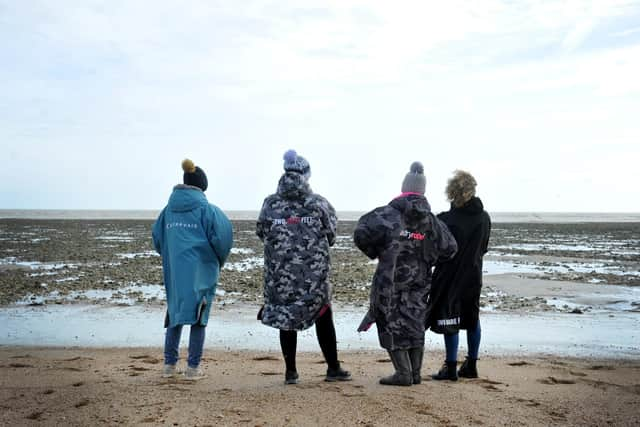
"We are working closely with the Environment Agency and Southern Water to monitor water quality, tackle pollution sources and support long-term improvements.”
This followed a recent broadcast of Dirty Business on Channel 4, which examines sewage pollution in UK rivers and seas.
Herald reader Emma Cameron wrote: “I love sea swimming but watching Channel 4’s #DirtyBusiness, in which Worthing gets a dishonourable mention, has made me extremely wary of going in the sea (even in Goring where the beach has bathing status).”
The Worthing Green Party highlighted an email inbox, which has been ‘inundated with release alerts’ at Goring Beach from Southern Water in the last few weeks.
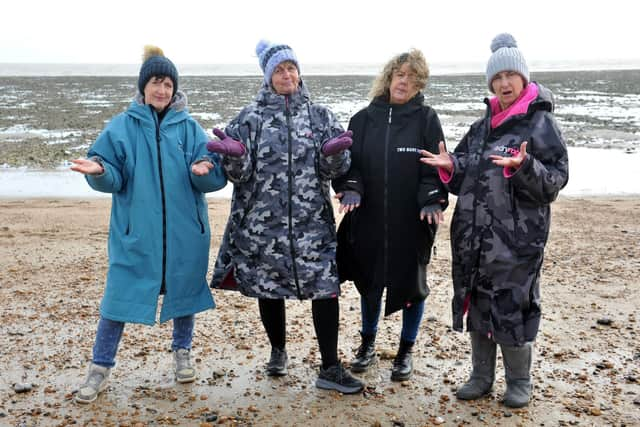
It added: “Winter swimmers are currently not swimming in the sea because of this pollution, feeling the worse in body and mind as a result while the biodiversity of our beaches is being blasted by foul discharge.
Southern Water pointed out that the number three outfall is 5km off-shore and – prior to construction of the wastewater treatment work in 1996 – this was the ‘only mitigation’, as wastewater received ‘rudimentary treatment’.
A Southern Water spokesperson added: “Torrential rain – more than double the average in both January and February has caused challenges across the region such as floods. In heavy rain, our system is inundated with run off from roads and roofs.
"To protect homes, schools and businesses from internal flooding the storm release system acts as a pressure valve. Through our Clean Rivers and Seas Watch service we put near time information on releases from every single storm release site in the region.
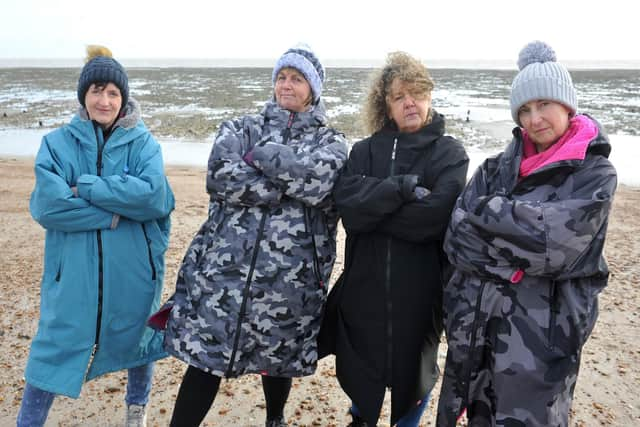
"With ever improving modelling the service provides more and more information about whether a release might impact water quality. We’re investing £1.5 billion over the next five years to slash storm releases.”
Real-time information on sewage discharges is available through the company’s Clean Rivers and Seas Watch website.
Tom Rutland, MP for East Worthing and Shoreham, told constituents back in August that he has met with Southern Water on ‘multiple occasions’, to ‘discuss disgusting sewage spills’ in our area, as well as ‘bill increases and pipe failures’.
He added: “I will continue to hold them to account on this – both in meetings with Southern Water, and in the House of Commons, as I have already done many times since being elected.”
Sampling is carried out between mid-May and the end of September during the bathing water season.
An Environment Agency (EA) spokesperson said: “Urban drainage can have an impact on water quality at Worthing’s bathing waters. Anyone going for a swim or entering the water is urged to check our Swimfo website first to see if any pollution risk forecasts are in place.
“These forecasts are based on several factors, including recent heavy rainfall which can temporarily impact water quality.
“A lot of work is being done by the Environment Agency, Worthing Borough Council and Southern Water to drive up water quality standards at Worthing, Goring Beach and Worthing Beach House.”
The EA highlighted that testing looks for levels of E. Coli and intestinal enterococci.
This data is added to the previous four years of data to inform what classification a bathing water gets, to help inform decision making on swimming and other water activities.
Worthing and Goring Beach are both classified as ‘good’ and Worthing Beach House is classified as ‘poor’, meaning swimming is not advised.
What is Southern Water’s explanation?
According to Southern Water, storm overflows are built into sewer systems to prevent flooding during heavy rainfall.
In many UK towns, rainwater and wastewater share the same pipes (a combined sewer system).
During heavy or prolonged rain, large volumes of runoff from roads, roofs and drains enter the system.
When the network reaches capacity, storm overflows automatically release diluted wastewater into rivers or the sea.
This acts as a pressure-relief valve to stop sewage backing up into homes, roads and businesses.
An official leaflet from the water company notes that the UK has over 100,000 km of sewers, making it ‘expensive and disruptive’ to completely separate rainwater and sewage systems.
Why releases may be higher this year
The document highlights factors that can increase the number of overflow events:
– Heavier rainfall – the main driver of storm releases;
– More paved surfaces such as roads, car parks and driveways, which increase runoff;
– Climate change, bringing more intense rainfall events;
– Urban development, which reduces natural drainage
Southern Water also said rainfall in January and February was more than double the average, which would significantly increase overflow activity.
What actually goes into a storm overflow
Storm overflows are often misunderstood as raw sewage, according to Southern Water. The document explains that: when they occur, the wastewater can contain as little as five per cent sewage because it is heavily diluted by rainwater.
The wastewater typically comes from sinks, showers, washing machines and dishwashers, not only toilets.
Some storm releases pass through filtering processes before discharge. However, even diluted wastewater can temporarily affect water quality.
Why bathing water quality can still be affected
Even when overflows are permitted, other factors can influence water quality:
– Agricultural runoff containing fertilisers or animal waste;
– Private sewer issues or illegal connections;
– Wildlife such as seabirds increasing bacteria levels;
– Algal blooms or seaweed trapping bacteria;
– Waste or contaminants washed into surface water
Because of these factors, water quality can remain affected for a period after a storm release.
Is it safe to swim?
Southern Water explained that water companies and regulators monitor conditions and publish alerts through Clean Rivers and Seas Watch.
Real-time data shows when storm overflows are operating. The service also estimates whether bathing water quality may be impacted.
Sometimes it takes several days after rainfall for water quality to return to normal, according to Southern Water.
For swimmers, this means they should:
– Avoid swimming during or shortly after heavy rain;
– Check alerts on the monitoring website before entering the water
Can the problem be stopped?
The company says the long-term goal is to reduce storm overflow use, but eliminating it completely is difficult without rebuilding the sewer network.
Southern Water says it plans to: invest £1.5 billion between 2025–2035 to reduce storm overflows; roll out new monitoring across overflow sites; increase storm storage capacity and reduce rainwater entering sewers through sustainable drainage systems. Examples include permeable paving, rain gardens and slowing runoff before it enters drains.