
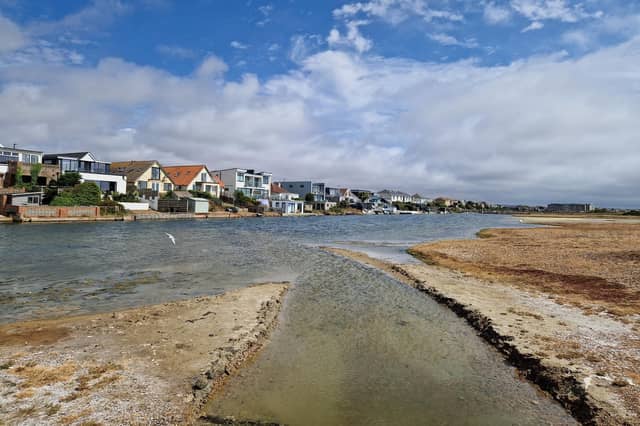


Lancing Parish Council has been sharing the life story of European eels, as well as other incredible journeys, as part of ocean-themed holiday activities to celebrate National Marine Week 2026.
The council said: “They begin their journey from the Sargasso Sea, also known as The Bermuda Triangle, as tiny, transparent leaf-shaped larvae, travelling thousands of miles across the Atlantic before making their way to rivers and wetlands across Europe.
“The eels arrive in the Adur river and right here at Lancing's Widewater Lagoon as glass eels. They may remain in our waters for 15 to 30 years, growing into elvers then to yellow eels and finally into silver eels, some growing up to 80cm!
“After maturing and thriving off insects, worms, crustaceans, molluscs and small fish in the rivers and in our lagoon, they begin the extraordinary journey of around 5,000 to 6,000km back to the Sargasso Sea, where they spawn.”
Incredible journeys like the one made by eels are being shared to encourage children to make a pledge to protect the ocean. Gifts including woolly eels are being offered to anyone who signs up.
The council has also shared more details on eels, from a Sussex Wildlife Trust blog written by Emma Chaplin.
Emma said the life story of an eel was 'astounding and preposterous'. Every year, millions of transparent slithers make their way 3,500 miles across the sea, 'like a blizzard of tiny polythene leaves'.
The leptocephali is the larval stage of the European eel. These see-through seafarers slowly drift across the North Atlantic for three years before reaching Britain.
Here, their appearance changes to wriggling transparent tubes with black eyes, known as glass eels. They ride the rivers of Sussex, the Rother, Ouse, Cuckmere, Arun and Adur as they swim upstream.
Along the way, their bodies darken and they become elvers and make their home in freshwater streams and brooks, as well as the brackish lagoon at Widewater.
Yellow eels will stay in Sussex for around 15 to 30 years and it is thought they then return home. Their bodies harden, their eyes widen, their stomachs shrivel and they become silver eels before starting the return journey.
On dark, wet nights the silver eels can crawl out of the water and slither back into the river system before swimming off out to sea. No one knows exactly where they go but each year, the Sargasso Sea will spawn a new cloud of transparent 'tourists'.
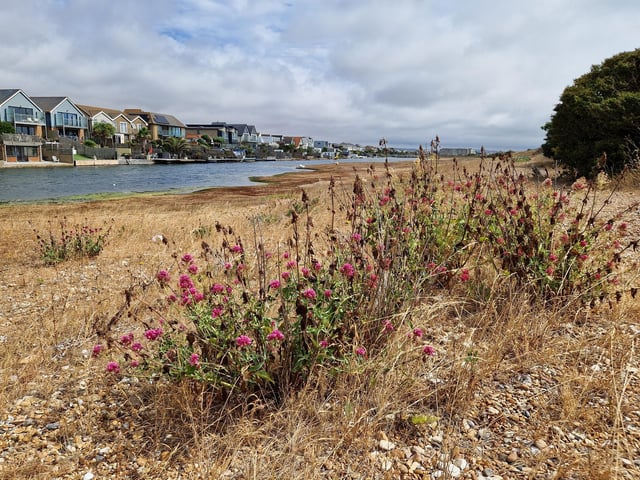
5. Widewater Lagoon
Widewater Lagoon is owned and managed by Lancing Parish Council Photo: Elaine Hammond
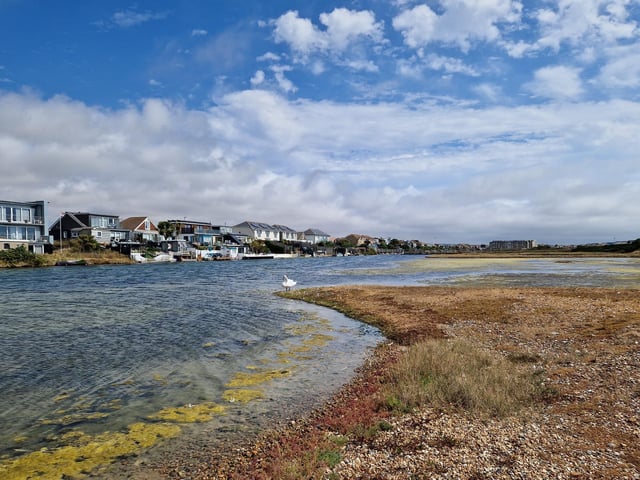
6. Widewater Lagoon
Eels may remain in Sussex for 15 to 30 years, growing into elvers then to yellow eels and finally into silver eels Photo: Elaine Hammond
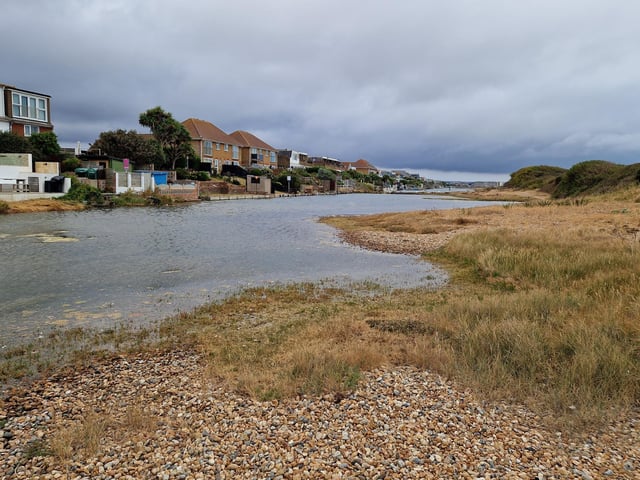
7. Widewater Lagoon
Eels travel thousands of miles across the Atlantic before making their way to rivers and wetlands in Sussex Photo: Elaine Hammond
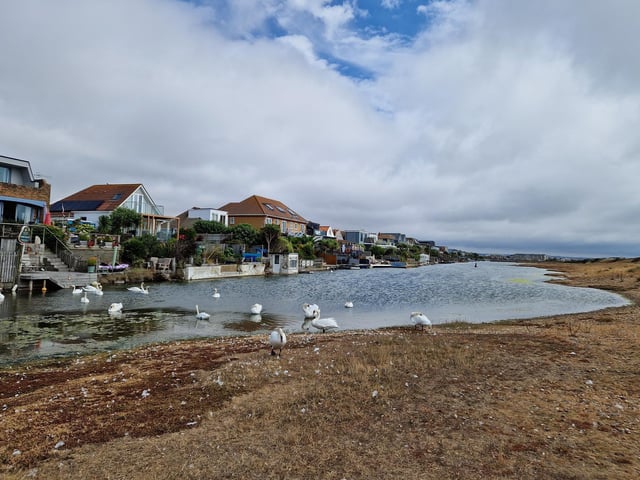
8. Widewater Lagoon
Widewater Lagoon is home to herons, swans, geese, cormorants, kingfishers, gulls and many other wildfowl Photo: Elaine Hammond