
Southwick Reef sees marine species increase by 156 per cent in six months

The number of marine species recorded at an artificial reef in Southwick has more than doubled in six months, according to University of Brighton researchers.
Southwick Reef, a ‘pioneering’ project designed to boost marine biodiversity, was launched at Shoreham Port in January 2026.
Since the installation of the artificial structures, researchers have found the number of species has risen from nine in February to 23 in August, including seaweeds such as gutweed and sea lettuce, as well as anemones and crabs.
The project is led by Shoreham Port in collaboration with the University of Brighton, Adur and Worthing Councils, Brighton & Hove City Council, Sussex Bay and the Sussex Dolphin Project.
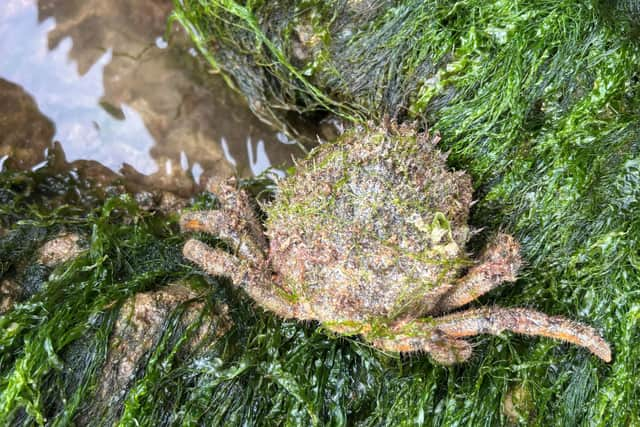

University of Brighton researcher Isaac Doyle has been monitoring how marine life is establishing itself across the new habitats as part of his funded PhD research into artificial reefs and living seawalls.
He said: “It's really encouraging to see such a positive change in the number of species recorded in such a relatively short period of time. The increase from nine to 23 species gives us an early indication of how these structures are creating new opportunities for marine life to establish itself along the shoreline.
“What's particularly exciting is that this is just the beginning. By continuing to monitor the reef, we can build a better understanding of how different species colonise these habitats, how the ecosystem develops over time and how we can use nature-inspired structures to support greater biodiversity along our coastline.”
Isaac's research will continue over the next 18 months, exploring how the reef develops and assessing the potential for similar structures to be introduced elsewhere along the wider Sussex Bay coastline.
Alongside monitoring marine biodiversity, the research will explore how people interact with the reef and its value to local communities. This includes opportunities for local schools and colleges to take part in hands-on field visits, exploring coastal habitats, observing marine life and learning about the importance of marine conservation.
Members of the public who have visited Southwick Reef are also being encouraged to complete an online survey about their experiences, including why they visit and how they engage with its wildlife and natural environment.
The project partners hope the research will help demonstrate how artificial reefs and living seawalls could support marine habitat restoration and provide a model for other ports and harbours in the UK and beyond.