

The micro-beads were accidentally released from a Southern Water treatment plant at Eastbourne last October. The incident grew in seriousness after the plastic beads were found on sensitive salt-marsh at the protected Rye Harbour Nature Reserve.
The small black beads can be toxic to birds and wildlife if mistaken for food.
In a joint letter, the MP and Chris Corrigan, the CEO of the Sussex Wildlife Trust, urged the Environment Agency to treat this incident with the utmost severity, taking into account the impact of the incident on wildlife and protected habitats.
They said: "This pollution incident has devastating potential for major adverse effects on this statutorily protected site of special scientific interest. We urge the Environment Agency to take the environmental importance of this site and the results of the independent tests on the toxicity of the beads into consideration."
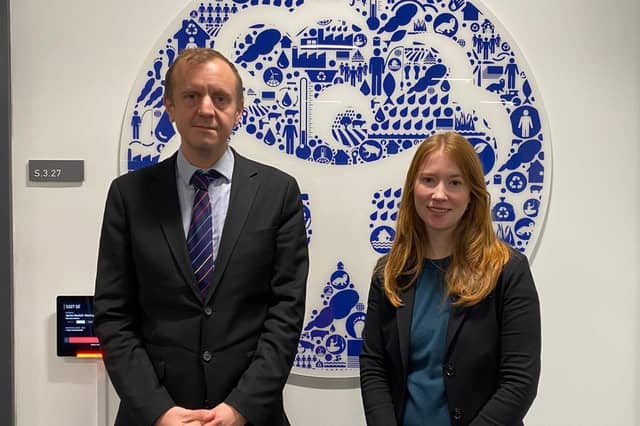
Ms Dollimoremet with Environment Agency CEO Philip Duffy to urge the regulator to escalate the case to the most serious level of pollution incident.
The Environment Agency's decision to upgrade the incident from Category 2 to the most serious Category 1 means that Southern Water could now face the most serious set of sanctions following the Environment Agency's investigation into the incident.
Rye Harbour Nature Reserve is one of the largest and most important wildlife sites in England, home to more than 4,355 species of plants and animals including 300 that are rare or endangered.
The Sussex Wildlife Trust has been monitoring birds for any adverse health symptoms linked to excessive consumption of the beads.
Ms Dollimore said: "It is only right that the Environment Agency has escalated this incident to the most serious level. It was devastating to discover the beads in Rye Harbour Nature Reserve, and I am worried about the harm they could cause our local wildlife."
The MP, with the backing of the Sussex Wildlife Trust, has also launched a petition to end the use of plastic beads in wastewater treatment. She launched the campaign alongside the Trust's CEO at Rye Harbour Nature Reserve.
Southern Water has said that it is fully co-operating with the Environment Agency in the the ongoing investigation and is set to meet with it this month.
A Southern Water spokesperson said: “We’re continuing to cover all clean-up costs and working in partnership with Rother District Council and microplastic removal experts, Nurdle, to remove the beads from beaches as quickly as possible.
"We have paid for three new specialist microplastic vacuums to be made to support the ongoing effort. We’ve also commissioned the build of a large towable beach screener that will act like a giant sieve to remove the top layer of sand to retrieve any beads that may be just under the surface – this will be ready late January.”
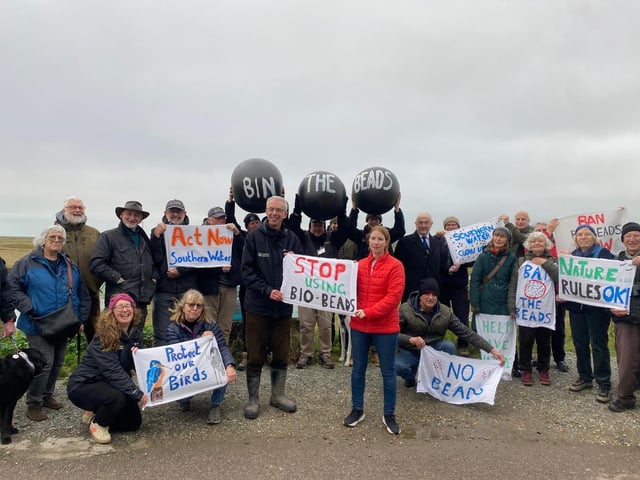
1. A campaign is underway to stop water companies using bio-beads at their treatment plants
A campaign is underway to stop water companies using bio-beads at their treatment plants Photo: supplied
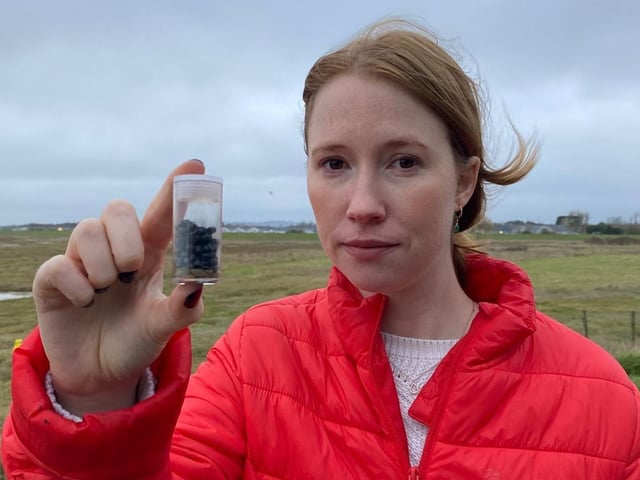
2. Helena Dollimore with some of the plastic bio-beads found at Rye Harbour Nature Reserve
Helena Dollimore with some of the plastic bio-beads found at Rye Harbour Nature Reserve Photo: supplied