
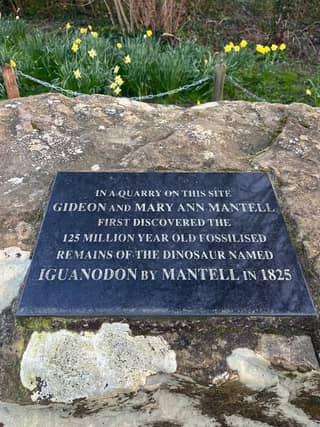

It serves as a timely reminder that our ancient parish landscape is part of a much deeper geological story within the Sussex Weald - one that connects directly to Ifield and Cuckfield.
In the early nineteenth century, the geologist Gideon Mantell [1790-1852] carried out pioneering work in nearby Cuckfield - in an area called 'Tilgate Forest' at the time - revealing the prehistoric world of the Weald and identifying fossils of what would later be recognised as dinosaurs. His work established this part of Sussex as internationally significant in understanding deep geological time.
Later in that same century, the Victorian geologist William Henry Penning [1838-1902] lived and worked at Ifield Park House, in the Ifield Brook Valley. Penning’s detailed geological surveys helped map the very strata that Mantell had first brought to wider attention. In this sense, there is a clear geographical continuity between Cuckfield and Ifield—two points within the same ancient Wealden landscape.
Today, new local research suggests that Ifield Brook itself may be more than 10,000 years old, preserving a continuous relationship between geology, water, ecology and human settlement. The valley is not simply a pleasant green space; it is part of a much older and more significant natural system.
It is within this context that the 'Friendly Dragon and the Hidden World Beneath the Weald' Book Project has emerged. While imaginative in form, the story is rooted in real locations - Ifield and Cuckfield - reimagined as two entrances to an underground “Dragon Library” beneath the Weald. This hidden world serves as a metaphor for the deep layers of ancient knowledge and wisdom embedded in the landscape itself.
The narrative brings together three characters - Theo, William and Sophia - in a dialogue exploring “Language and the Soul,” reflecting the idea that our understanding of place and identity is shaped not only by religion and science - but also by imagination, memory and meaning.
What links Mantell, Penning and these contemporary projects are a shared recognition that the Weald is not an ordinary landscape. It is a place where geology, history and human understanding intersect and interact—and where new interpretations and revelations can still emerge.
As discussions continue about the future of land west of Ifield, it may be worth pausing to consider that this landscape has been revealing its ancient secrets for centuries—and still has more to tell.
As discussions continue about the future of land west of Ifield, it may be worth pausing to consider that this landscape has been revealing its ancient secrets for centuries—and still has more to tell.
Richard W. Symonds
The Ifield Society
Ifield Street, Ifield Village
Crawley, West Sussex
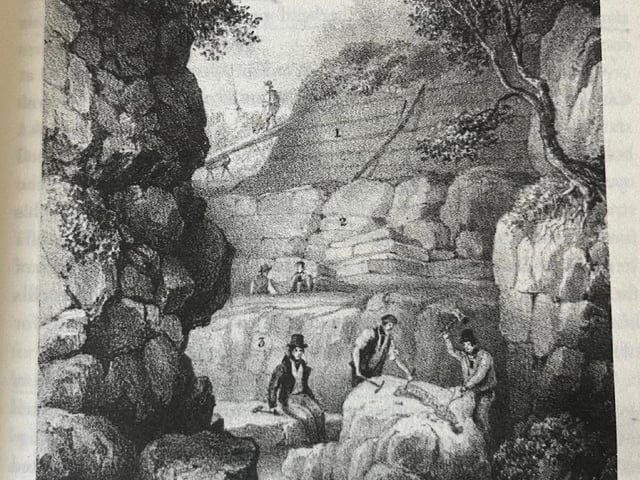
1. Contributed
The Quarry in 'Tilgate Forest' - Cuckfield Photo: Submitted
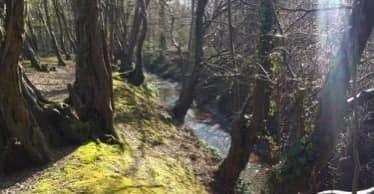
2. Contributed
Ifield Brook Valley Photo: Submitted
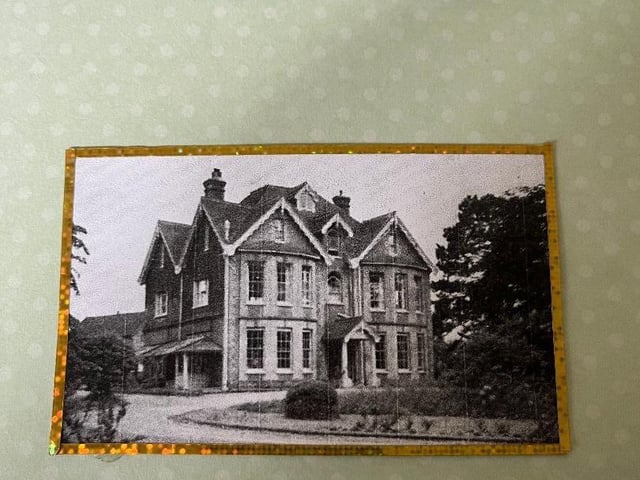
3. Contributed
Ifield Park House - where geologist William Penning lived Photo: Submitted
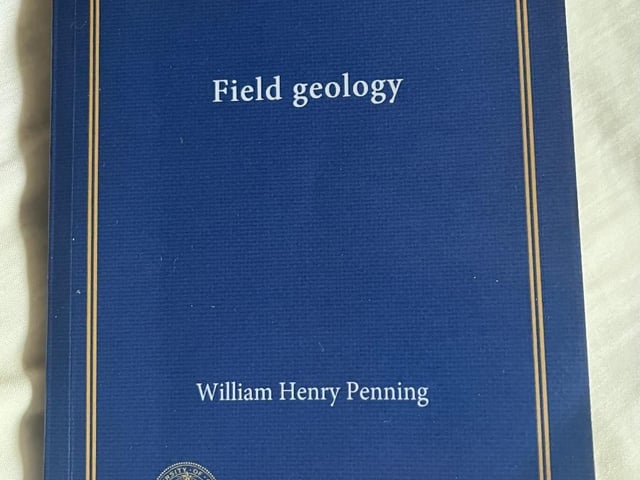
4. Contributed
'Field Geology' by William Henry Penning Photo: Submitted