
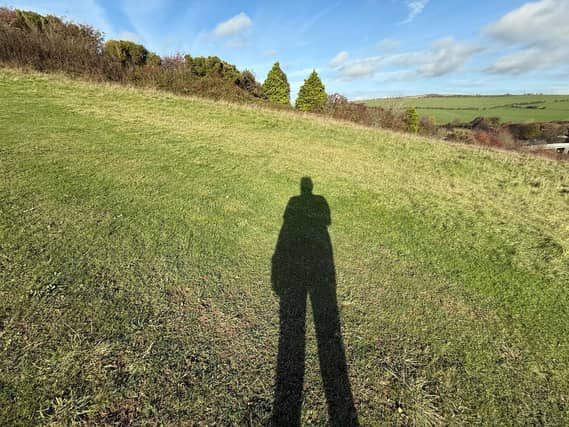

You often hear people talking about a ‘pandemic of loneliness’ especially in older, isolated individuals. However, loneliness can impact anyone, at any age, even if they are not visibly cut-off from others. The World Health Organization estimates that one in six people around the world are experiencing loneliness, declaring it as a ‘global public health concern’ in 2023, after the impact of Covid-19 on people’s mental health due to a lack of connection. Humans are neurologically wired to need connection, and being devoid of it can generate the same brain circuits that control physical pain. Also, there is so much societal pressure to live in a normative way, and if we don’t conform it can feel very isolating. And when life events, such as a relationship breakup or job loss, trigger feelings of loneliness and uncertainty it can lead to generalised anxiety and depression. It doesn’t necessarily happen overnight but occurs over time as our internal storytelling starts to catastrophize and our motivation to work through the unplanned disruption depletes. Life can feel ‘out of our control’, which can be unsettling and often immobilizing. We might convince ourselves that we will never find another job, or be in a relationship again, which is a distortion of reality and ultimately self-limiting. But does being alone automatically result in feelings of loneliness?
Earlier this year I found myself feeling alone and facing uncertainty. An unexpected life event left me with a big question mark over the future picture that I usually liked to have clearly painted in my mind. I felt uneasy, isolated and aware of the rising anxiety in the pit of my stomach. As time went by worry turned to panic, and my flight or fight response oscillated between trying to run from the uncertainty through distraction or contest it through denial or control. I found myself ruminating over a life alone, with no secure future, and no partner to lighten the load. My mind went into overdrive, churning out story after story, none of them with a happy ending. So rather than stay still and allow these narratives to drag me deeper into a negative mindset I decided to lean into loneliness to see if I could reframe my feelings around isolation and the unknown. I did this by hitting the road in a motorhome for two months, just myself and my dog. I started on foot in Eastbourne, walking the South Downs Way to Winchester over eight days in winds and rain, then heading round the southwest coast in the motorhome, through Cornwall, Devon, into Wales, across to the Peak District and back down the southeast coast to Sussex. Over 60 days I stayed in more than 40 different places, and as I was travelling off season, I often found myself as one of few visitors, and sometimes as the only dweller in sight. This was me really leaning in. If I could find peace with solitude by strengthening my connection with myself, then I hoped my loneliness would be transitional rather than chronic.
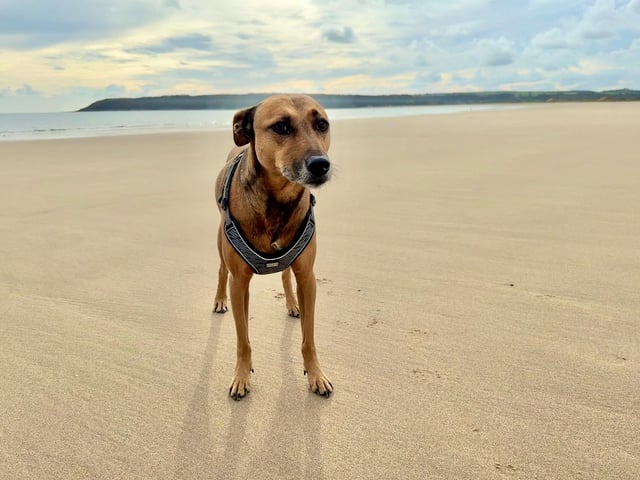
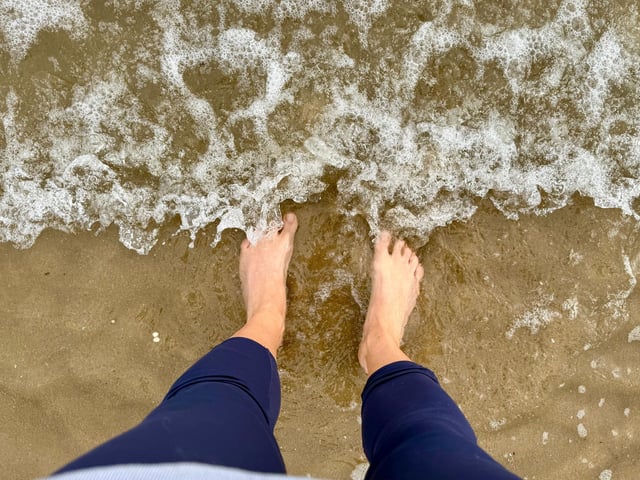
I set out feeling empowered and enthusiastic, discovering the joy in my experience of solitude. One day I stood on Tor Bay beach in Gower and didn’t see another soul. I breathed deeply, walked freely, paused aplenty, smiled continuously, and heard so much in so little noise. I took in the calm wash of the coastline and let my feet feel the cold fresh sand and the bracing trickle of the waves. In that moment I had never felt so alive, yet completely alone. But I wasn’t alone, I was full of connection to the ones I love, even if I haven’t met them yet. Then about a third of the way through the trip my solitude slipped into an aching loneliness triggered by a moment of joy. I’d spent two nights in Tenby which meant a whole day without driving, of which I’d only enjoyed a few. I’d had a slow morning as the weather had kept me prisoner, but when the heavy rain retreated, I took the opposite direction to town, the coastal path, and soon after stumbled upon Allen’s View. In this woodland clearing stood six bird carvings - a peregrine, a red kite and four owls - crafted from the stumps of native self-seeded Leylandi trees that grew to 40+ feet, but because they were multi-stemmed and prone to branch breakages were removed and their stumps repurposed into art. I was filled with sudden joyous emotion, like a kid who had awoken to see the bulging stocking at the end of the bed on Christmas morning. And then it struck me that in this organic, surprising moment of joy there was no-one there to share it with and suddenly I felt very alone, and the feelings of despair and disorientation that I had defiantly rejected by undertaking this odyssey started to creep back in. But rather them fight them or run for them I sat for a while and let the thoughts run around my head and conduct my feelings until they ran out of steam.
The next day I sat on Tenby beach after playing throw the stick with my dog and it struck me that whatever I did next was wholly my decision. I could sit where I was for hours, even for days if I chose to do so. There would be consequences and not very pretty ones but nonetheless it was my choice. I could run into the sea and swim - people would stare and I would be freezing but I could do it, nonetheless. I could make a sandcastle, while away the hours finding the right shells to act as adornments and small twigs or reeves as windows and doors. I could fall asleep and not awake until I did. I could do all those things, or I could sit there and continue to wonder about what I should do next. And the key word in that thought was should. We are always considering, negotiating, weighing options up in our heads on what we ‘should’ do, which makes it hard to know what it is we really want to do. That endless quest for the ‘shoulds’ will keep you searching, wanting, grabbing at, and often berating yourself for not achieving. It’s the worst thing about the human condition, the relentless pursuit of betterment. It’s what keeps us never quite satisfied, always unrealistically expectant, too often disappointed, and desperately wishing things were different. But the thing is, they’re not. Things are just as they are. And, while it doesn’t often feel like it, we always have a choice.
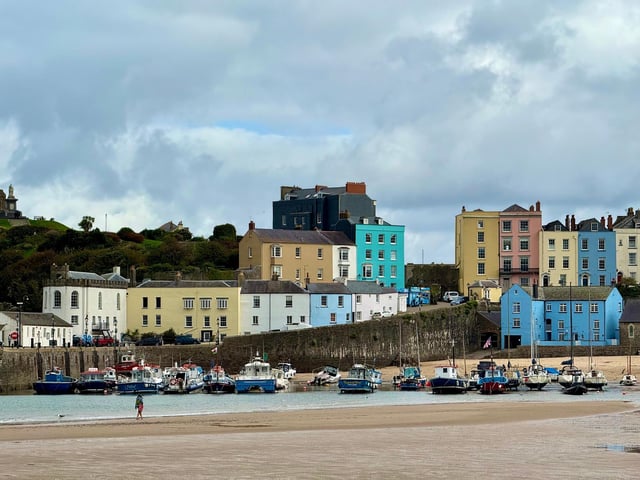
So, I decided to just sit for a while, leaning into loneliness and transforming it into selected solitude. I watched the only two people with their beach tent and chairs reading and refusing to welcome autumn with that first day of October. I smiled at the dog walkers now allowed on the beach with their dogs who were revelling in the sand thanks to this calendar-marked freedom. I admired the multicoloured houses which must have been the subject of many an artist’s view, whether for the canvas or the gram. And I sat there until I didn’t. But not everyone can counter loneliness by heading off on a long solo trip, however, anyone can embrace the unknown. If loneliness is the unwanted absence of connection, leaning into being alone is about exploring your connection to self, whether through talk therapy or journalling. Spending time in nature can help you feel your connection to the earth, which in turn converts loneliness into solitude (the state of being alone, without feeling lonely). Equally, finding peace with the unknown, by recognising our desire for control and exploring where this need comes from, can allow you to be open to opportunities without being attached to the outcome. One way of facilitating this discovery is the use of an ‘unhelpful thoughts diary’ where you record all negative thoughts and then work in therapy to unpick these thoughts to find the truth beneath them. Giving yourself permission to feel, and to process those feelings, paves the way for you to then focus on your response, rather than being reactive to the situation. By concentrating on the short term first, or on one issue at a time, we can create space for adjustment, focus on what’s working and avoid feeling overwhelmed.
I spent the last day of my trip in a very wet and grey Hastings, ironically the heavens opened as soon as I crossed the East Sussex border. Wandering around the old town, with rain sodden shop fronts, many of which had shutters shut, populated by just a handful of umbrella holding shoppers, I felt a sudden rush of imposter syndrome. Accusatory questions flew into my consciousness - who the heck did I think I was? What did I think this journey was about? And what did I even learn? I paused, allowed my imposter to fling disruption my way, fielding it with observation rather than objection or absorption. And then it landed. What I discovered is the fight against feelings of loneliness is worse than the loneliness itself. Yes, life can be hard, and feeling lonely can be painful, but the most important love we can give is to ourselves. That might feel uncomfortable at first, but in that discomfort, we are not alone.
Claire England is a counselling and psychotherapy professional. www.claireenglandtherapy.co.uk
If you are struggling with loneliness there are several services that you can access in Sussex including, Together Co (https://togetherco.org.uk), Time to Talk Befriending (https://www.tttb.org.uk),and UOK (https://www.uok.org.uk/talk-to-us/). If your needs are immediate you can call Samaritans on 116 123.
1. Contributed
A deserted day on Tor Bay beach in Gower Photo: Submitted
2. Contributed
Feeling the cold fresh waves of Tor Bay beach Photo: Submitted
3. Contributed
Colourful houses of Tenby Photo: Submitted
4. Contributed
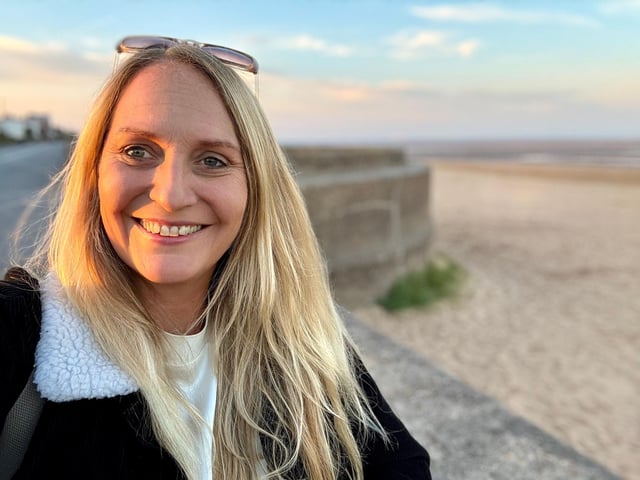
By the beach in Cleethorpes Photo: Submitted