
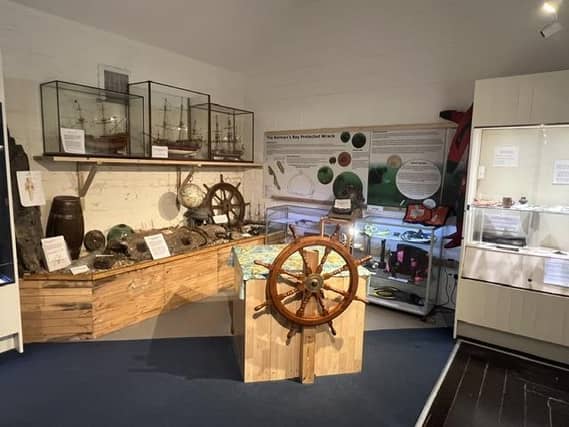

The museum was created in 1986 by professional archaeologist and nautical history expert Dr Peter Marsden who worked on shipwrecks in the Thames and found that museums in London were reluctant to conserve and display whole wrecks.
The original plan was to build the Museum at Bodiam, which in 1385 was the base of a large fleet, but he was persuaded to use Hastings as a location, due to the close proximity of the wrecks of the Amsterdam, at Bulverhythe, and the warship Anne at Pett Level.
The anniversary event was attended by mayors from Hastings, Winchelsea and Rye and the Lord Lieutenant of East Sussex.
Museum curator Tim McDonald said: “I would like to thank Dr Peter Marsden, whose work on maritime archaeology has done so much to shape how we understand the wrecks and stories of our coastline.
"Around ten years ago, the museum reached a very low ebb and it really was touch and go as to whether we could survive, but the spirit, enthusiasm and positive character that has always seemed to be a major quality of this museum won through and with the help and support of many people, not least our friends at the Fishermen’s Museum, the local press, Steve Peak, and, of course, our small but outstanding team of staff and volunteers – we came through the crisis and have gone on to become one of the most-visited small museums in the country with about 90,000 visitors a year.”
Dr Peter Marsden explained: “We had planning permission for Bodiam, but the then deputy chief planning officer for Hastings Borough Council contacted me and offered us a derelict building at Rock-a-Nore. All the trustees were keen that we established the museum at Hastings.
"Tim and his team have done a remarkable job and we now have the two Hastings lifeboats, which we are very proud of. I got it going but so many other people have built on that over the years.”
Dr Marsden recalled the the time when the Queen visited the Shipwreck Museum and sampled wine salvaged from the wreck of the Amsterdam.
Kevin Boorman, of Hastings RNLI, and a trustee of the museum, spoke about his family’s long connection with the Hastings Lifeboat and told how his great uncle was the Cox of the Cyril and Lillian Bishop lifeboat that played a role in rescuing troops from the beaches at Dunkirk.
Trustee Alan Dodge spoke of the future aims of the museum and the difficulties the museum had faced, including the closure during Covid. He said: “After Covid we didn’t know what was going to happen, but thankfully, when it was over, we had a good spell of weather and people came out in their thousands and we had a surprisingly good summer that year and were able to follow that up in subsequent summers which has left us in a better situation.
"People these days are looking for an ‘experience’ when they visit museums. People are expecting that sort of cross-over and its the sort of thing we have to look to for the future. We want to aim to entertain people and give them an experience while maintaining all the things that we are already successful at.”
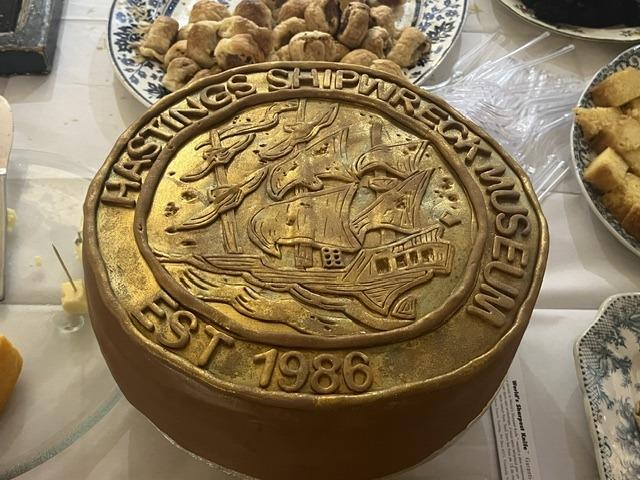
5. Shipwreck Museum celebrates 40 years
Shipwreck Museum celebrates 40 years Photo: staff
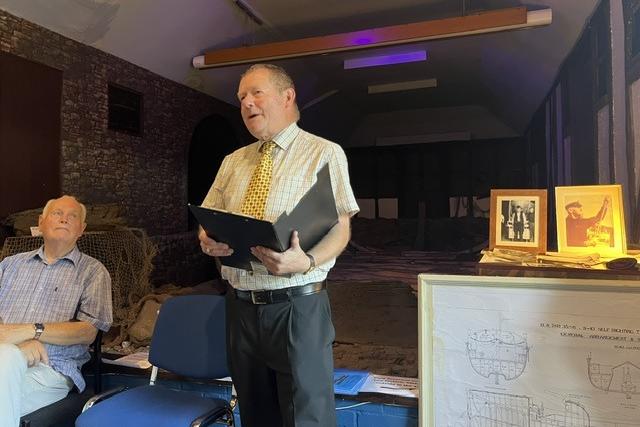
6. Shipwreck Museum celebrates 40 years
Kevin Boorman Photo: staff