

The Environment Agency is investigating the environmental pollution incident which occurred when millions of the plastic beads were released from Southern Water’s Eastbourne wastewater treatment plant during Storm Benjamin in October.
The water company admitted responsibility after the beads washed up on Camber Sands two weeks later when Ms Dollimore questioned Southern Water’s chief executive.
The beads have also been discovered in the saltmarsh at the Rye Harbour Nature Reserve, one of the largest and most important wildlife sites in England.
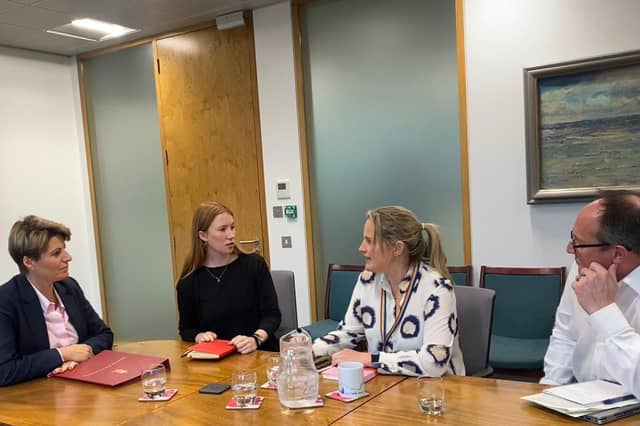
Ms Dollimore brought the Water Minister Emma Hardy MP to Camber Sands to see the extent on the damage and meet volunteers working to pick up the beads.
In an emergency residents’ meeting, following the first reports of the beads, Southern Water bosses answered questions and agreed to pay for the clean-up operation, organise for marine surveyors to assess the damage to marine life, and fund a long-term programme of nature restoration.
Ms Dollimore said: “The Environment Agency is investigating the incident, and Southern Water must urgently explain how they will ensure something like this never happens again. Southern Water revealed at my residents’ meeting that the use of plastic beads in wastewater treatment is outdated, and modern works don’t use them.
"So why are they continuing to use plastic beads in coastal plants and put our shoreline at risk? These beads are contaminating some of our most precious habitats, from the salt marsh at Rye Harbour to the sand dunes at Camber. Our area, and especially our wildlife, will be dealing with these beads for many months to come.”
A Southern Water spokesperson said: “We’re deeply sorry this has happened, and our priority is to put things right.
“We’re continuing our daily clean-up operation, which will carry on into the new year. Since 8 November, more than 660 Southern Water staff and contractors have helped to remove beads found on the beach, alongside the amazing effort from community volunteers.
“Our teams are now monitoring more than 60 miles of coastline in East Sussex and Kent daily. We'd like to reiterate that the beads are non-toxic and they pose no risk to water quality.
“We’re working with Rother District Council and Nurdle, a microplastics removal expert. Nurdle were on Camber beach from early on Saturday, 6 December, with a specialist hoover, which carefully removes the beads from the sand and seaweed. Southern Water staff and contractors, Adler and Allen, will also help remove any beads that may wash up along the coastline.
“We're really grateful for the fantastic help we've received so far from all volunteers. To allow the machinery to complete the clean-up safely and effectively, Nurdle is kindly asking for volunteers to stay away from the beach over the next few days, as walking on the beach could unintentionally push the beads into the sand, making the area harder to clean.”
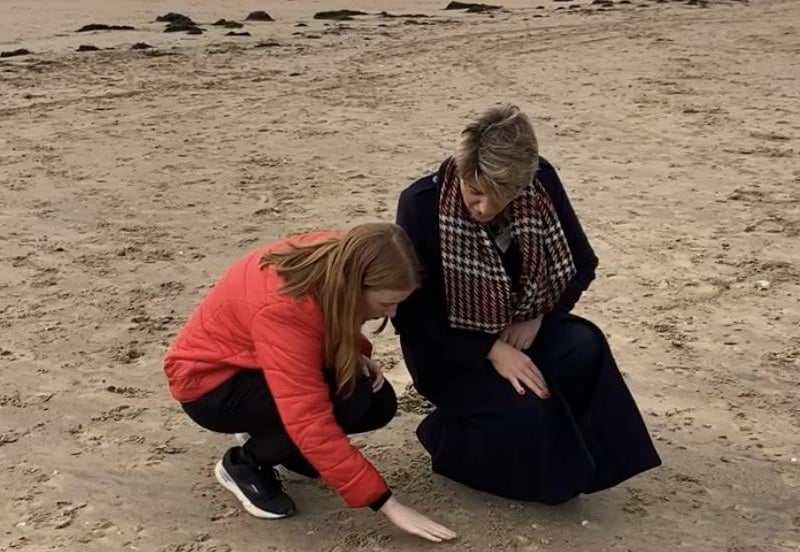
1. Helena Dollimore MP and the Water Minister at Camber Sands beach
Helena Dollimore MP and the Water Minister at Camber Sands beach Photo: supplied
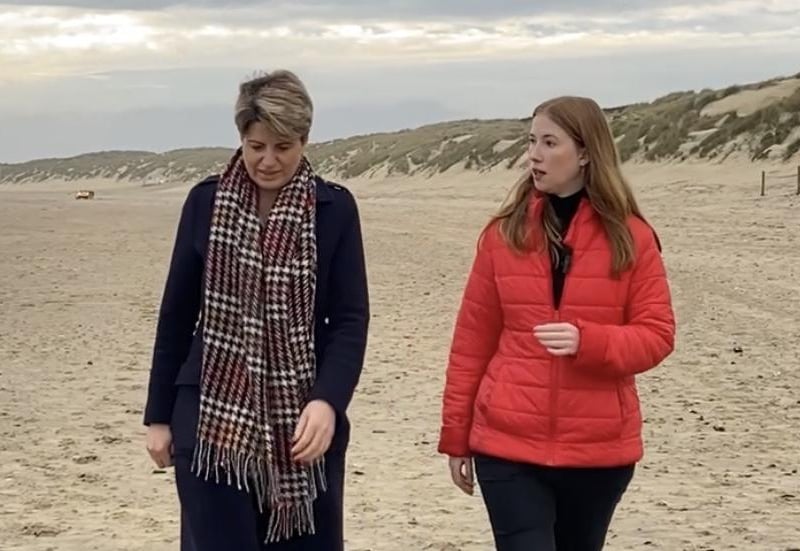
2. Helena Dollimore MP and the Water Minister at Camber Sands beach
Helena Dollimore MP and the Water Minister at Camber Sands beach Photo: supplied
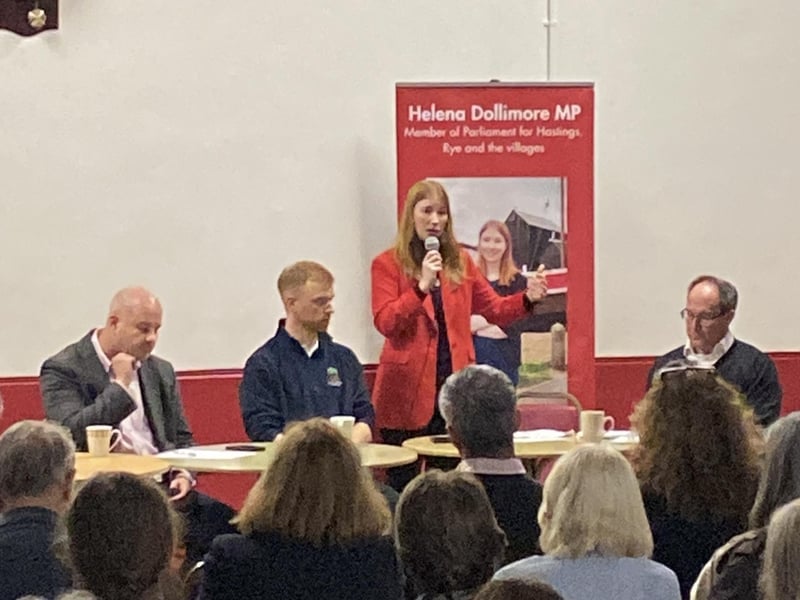
3. Helena Dollimore MP chairing the emergency residents’ meeting at Rye
Helena Dollimore MP chairing the emergency residents’ meeting at Rye Photo: supplied
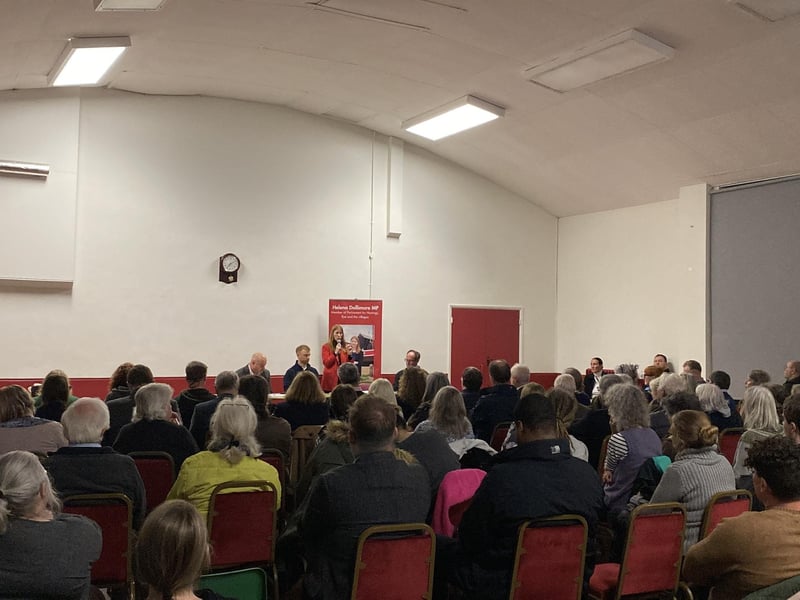
4. Helena Dollimore MP chairing the emergency residents’ meeting at Rye
Helena Dollimore MP chairing the emergency residents’ meeting at Rye Photo: supplied