
‘Homes for Nature’ created at railway stations across Sussex

‘Homes for Nature’ have been created at railway stations across Sussex which aims to ‘increase biodiversity and protect the one in six species now under threat of extinction in the UK.
The new habitats have been installed at Crowborough, East Grinstead and Hurst Green and form a part of 12 new habitats created across the south-east.
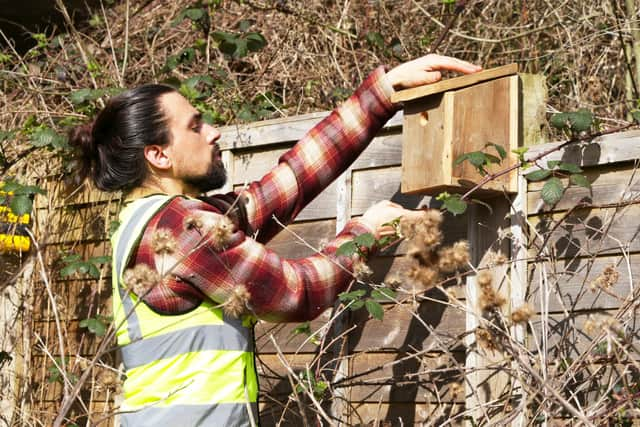

It takes to 172 the total number of individual habitats now created by parent company Govia Thameslink Railway (GTR) and the Bee Friendly Trust. By the end of March that figure will be boosted to 200 in celebration of Railway 200 – the 200th anniversary of the birth of the modern railway.
Each site has two types of bird boxes, iconic striped bee hotels for solitary insects, and hibernacula – shelters filled with timber and wood to give small animals and bugs a place to live.
GTR’s environment specialist Eloise Rowan said: “We are committed to shaping a railway that doesn’t just pass through the landscape but actively restores and supports it, creating spaces where nature can flourish once again. Through our Homes for Nature initiative, we’re helping to spark a vibrant revival of wildlife, nurturing the ecosystems that sustain us all.
“Our partnership with the Bee Friendly Trust is transforming our sites into welcoming havens for wildlife of every size, helping to restore lost habitats, strengthen fragile species, and inspire a future where nature can thrive once more.”
Dr Luke Dixon, Director at the Bee Friendly Trust, said: “This collaboration between the Bee Friendly Trust and Govia Thameslink Railway is unique but we hope will provide ideas for other railway companies and indeed everyone wanting to support our wildlife. We're now almost at our target of providing 200 Homes for Nature across the network in celebration of Railway 200.
“The birdboxes, bug hotels and hibernacula will provide homes for hundreds of creatures and improve the habitats around these stations. They will be of benefit not just to the creatures but to the rail users whose environments will be enriched.”