
Iconic Sussex forest thanks visitors for support after exceptionally dry summer
Visitors to Ashdown Forest are being thanked for helping to protect the landscape and its wildlife during this summer’s exceptionally dry and hot weather.
The wildfire prevention guidance issued by the Forest and East Sussex Fire & Rescue Service (ESFRS) included measures such as not dropping or discarding any burning materials and respecting the Forest’s year-round ban on barbecues.
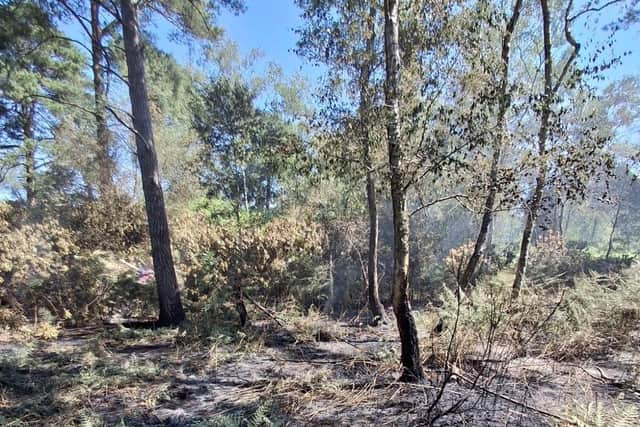

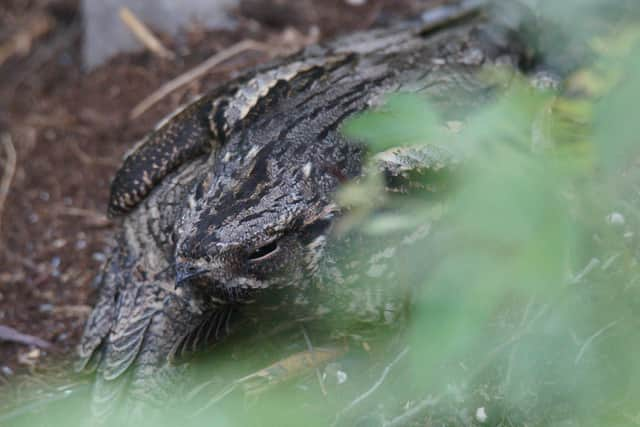
It’s not just humans that have been impacted by the drought this summer, the wildlife has too. Areas of bog have dried, and many plants flowered earlier than expected and certain bird species, like the nightjar also bred a little earlier.
The Forest’s annual nightjar survey is conducted by volunteers, who spread across the Forest and record the number of churring males, whilst also noting the populations of other rare birds and insects on a designated date. The survey is a key indicator of the condition of the various habitats especially the lowland heath which is crucial to the survival of species including the nightjar.
Head of Countryside Ash Walmsley said: “The number of our bellwether birds – the nightjars - has dipped slightly this year, but that's not a concern as there's always likely to be some annual variability – for example a difference in surveying conditions.
"What is extremely gratifying is that we did not lose any of the lowland heath habitat or potential nest sites in wildfires. The presence of these magnificent birds on the lowland heath ensures that the Forest retains the highest level of UK and European environmental protection.”
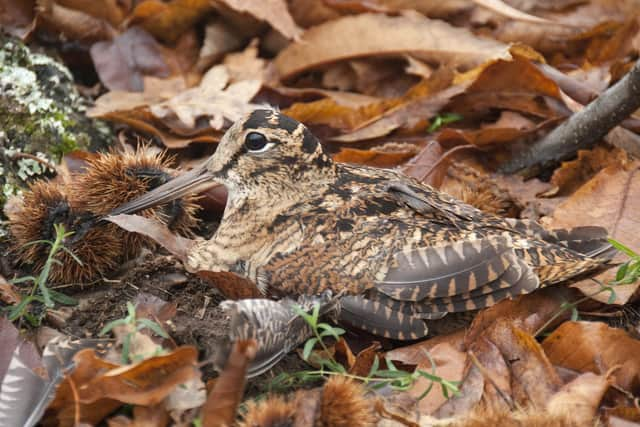
Ashdown Forest has seen a welcome surge in the woodcock population. The number of these secretive and heavily camouflaged birds has increased by 50 percent in the Forest’s latest survey. These birds are on the conservation red list which means they are facing a severe drop in numbers.
The glow worm numbers figures dipped, but this was expected as the insects breed on a 5-year cycle, so although the fully mature glow worm may be scarce, their eggs and larvae are out on the Forest.
Ash added: “We would like to thank everyone who takes part in these surveys and also everyone who visited the Forest during this exceptionally hot and dry summer. Our visitors heeded all the advice we, and the fire service gave about wildfire prevention, and their cooperation helped us to protect our unique and precious landscape. As we move into autumn the threat of wildfire will reduce but by working together – being careful and vigilant - we can ensure the Forest is protected throughout the year.”