
A spokesperson for the nature reserve said: “We're currently dealing with confirmed bird flu, suspected avian botulism and periods of blue-green algae. These are separate issues, but each affects wildlife, visitor access and how we manage the reserve.”
Blue-green algae, which can form on water surface, during warmer weather, can be toxic to to pets, such as dogs, livestock and wildlife.
The closed off area includes Castle Water, which is popular with bird-watchers, and Camber Castle.
The spokesperson continued: “We will reopen these restricted areas only when both of the following conditions are met: Oxygen levels in Castle Water are back to what we would normally expect at this time of year, low oxygen is likely to have contributed to the recent problems, and bird deaths have returned to normal levels for a sustained period, showing the outbreak has eased.
“These tests show when the risks to wildlife and people are low enough to reopen safely.
“We have completed two full bird counts across the affected areas. These surveys have provided valuable information on the scale and distribution of mortality and helped us understand how conditions are changing.
“A third count is planned and will give us the final data we need to assess the situation. We will review them alongside our water quality results and other evidence before deciding whether it is safe to reopen the restricted areas.
“Please keep to all closures and follow the signs. Do not touch dead or sick birds. Report them to reserve staff. Keep dogs on leads and away from dead birds and the water. Blue-green algae can harm dogs and people. Wash your hands after your visit.
“We appreciate the patience and understanding shown by visitors. Our priority is to protect wildlife and people, and to reopen only when the evidence shows it is safe.”
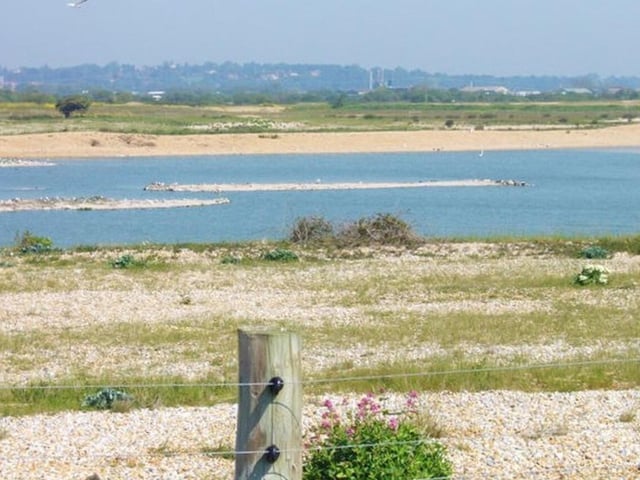
1. Rye Harbour Nature Reserve affected by bird flu outbreak
Rye Harbour Nature Reserve Photo: supplied
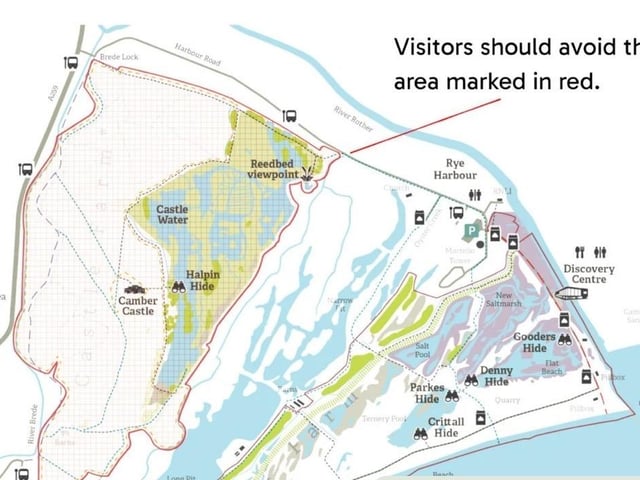
2. Rye Harbour Nature Reserve affected by bird flu outbreak
Map showing the closed off area of the reserve Photo: supplied
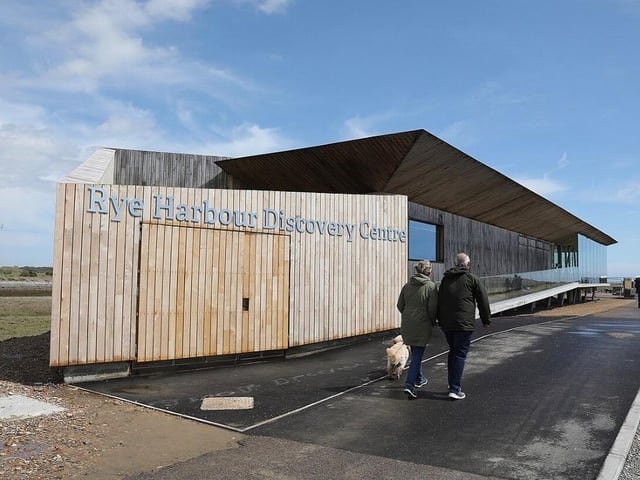
3. Rye Harbour Nature Reserve affected by bird flu outbreak
Rye Harbour Nature Reserve Photo: supplied
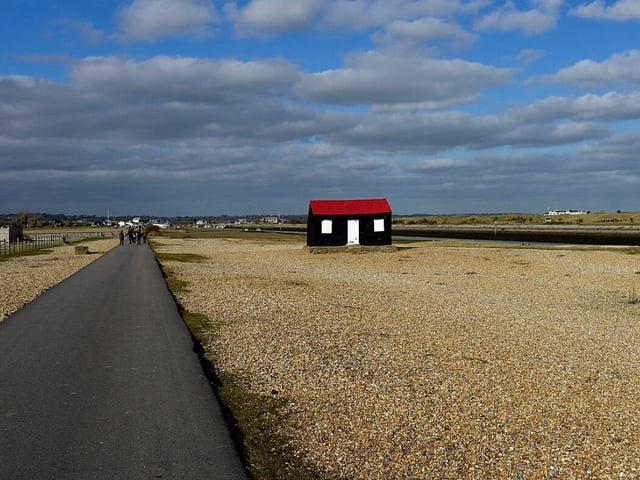
4. Rye Harbour Nature Reserve affected by bird flu outbreak
Rye Harbour Nature Reserve affected by bird flu outbreak Photo: supplied