
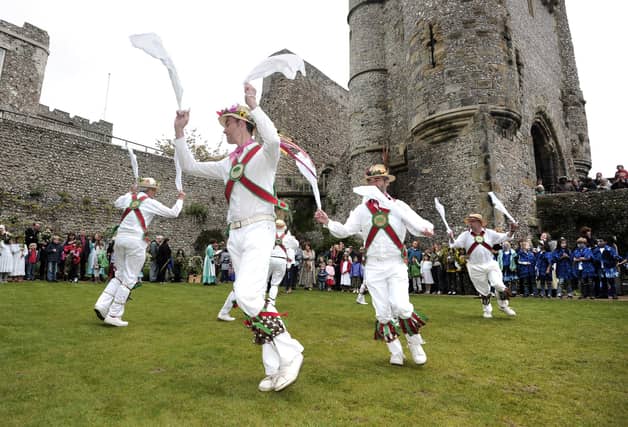


The Guardian praised the market town for the iconic Lewes Castle, its Friday Food Market, its ‘eclectic flea market’, the nearby Glyndebourne opera house and the beautiful River Ouse and Malling Down.
The decision to list the town was based on factors like crime, access to the countryside, easy access to GPs, air quality and good public transport.
The Guardian article also remarked on the town’s historical significance, having been the home of writer Thomas Paine before he travelled to America.
Following this glowing review of Lewes, the Sussex Express has decided to list the top beauty spots that can be found in the town and the wider Lewes District.
Lewes Castle
According to Sussex Past, Lewes Castle is a Norman Castle that was built following the Battle of Hastings by William the Conqueror’s supporters. The 950-year-old fortress has breathtaking views across East Sussex and a Museum of Sussex Archaeology nearby. It offers a variety of traditional and educational events for families, and visitors can also enjoy a picnic in the gardens.
River Ouse
This picturesque river is home to a variety of wildlife, including birds, insects, plants and amphibians. The Sussex Ouse Restoration Trust said: “The River Ouse rises in the high land of the Sussex Weald and flows across attractive, gently undulating countryside. At Lewes it passes through a gap in the South Downs and out into the wide Ouse Valley before reaching the sea at the south coast port of Newhaven.”
Seaford Head
The Sussex Wildlife Trust describes Seaford Head as ‘the best spot to enjoy the iconic view of the majestic Seven Sisters cliffs’, as well as Cuckmere Valley. The Seaford Head Local Nature Reserve is part of the Sussex Heritage Coast and home to many rare plants, birds and insects.
Malling Down
Malling Down Nature Reserve is within walking distance of Lewes. According to the Sussex Wildlife Trust, Malling Down is mainly ‘chalk grassland and scrub with many typical and rare flowers and butterflies’. It is part of the South Downs National Park and is free to visit.
Chailey Common
East Sussex County Council said Chailey Common is one of the largest commons in the south of England. The council said it is also a Site of Special Scientific Interest for its heathland and diverse insect and bird communities. Visitors can see heathers, which dominate the landscape, as well as blue flowering Marsh Gentian, Bog Asphodel, Sundew and Heath-Spotted Orchid in the summer. Hebridean sheep, Exmoor ponies and cattle graze on the site as well.
Newhaven Fort
Newhaven Fort offers amazing views of the surrounding area and a range of fascinating exhibits and activities for families. Visit Lewes said: “Newhaven Fort is the largest military structure in Sussex, and has a rich history spanning the Victorians, The First World War, Second World War and beyond.”
Firle Beacon
This hill in the South Downs National Park is above the village of Firle and has great views across the sea. According to Sussex Modern, the Beacon is home to a Neolithic tomb that can be found from one of the footpaths leading up from the village.
Glyndebourne
For those who want to witness some beauty indoors, there’s Glyndebourne opera house. This has hosted the annual Glyndebourne Festival since 1934 and offers a programme of visually stunning world-class opera. There are curated art and sculpture exhibitions every summer in the Stalls Gallery and in the gardens during the Glyndebourne Festival.
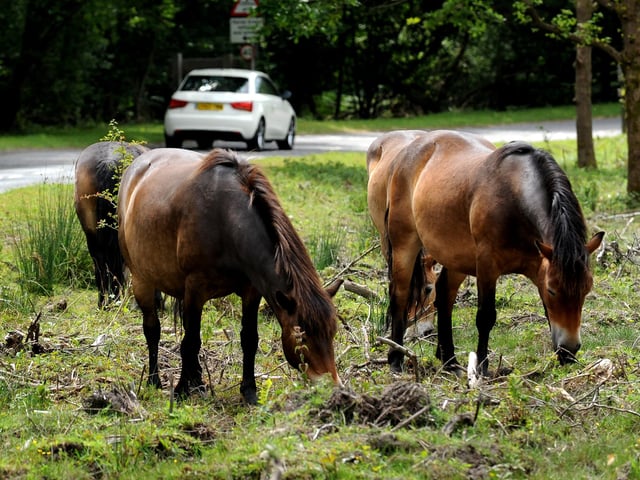
5. Chailey Common
Livestock grazing on Chailey Common Photo: Staff
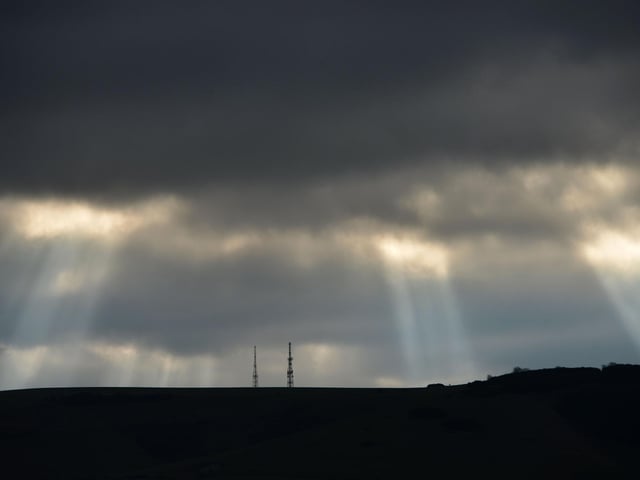
6. Firle Beacon
Firle Beacon photographed by Peter Cripps Photo: Peter Cripps
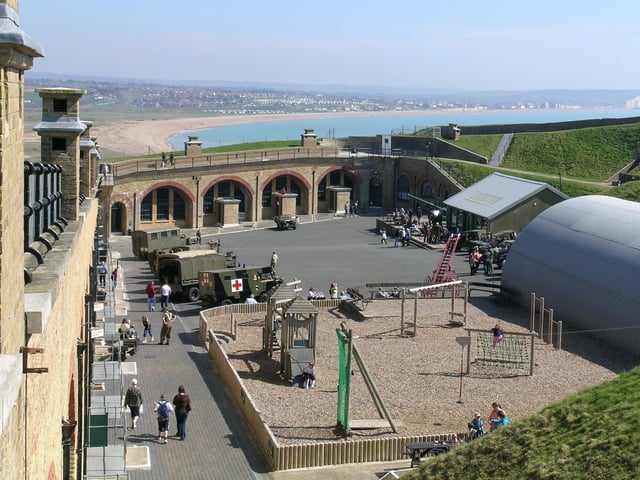
7. Newhaven Fort
Newhaven Fort Photo: Contributed
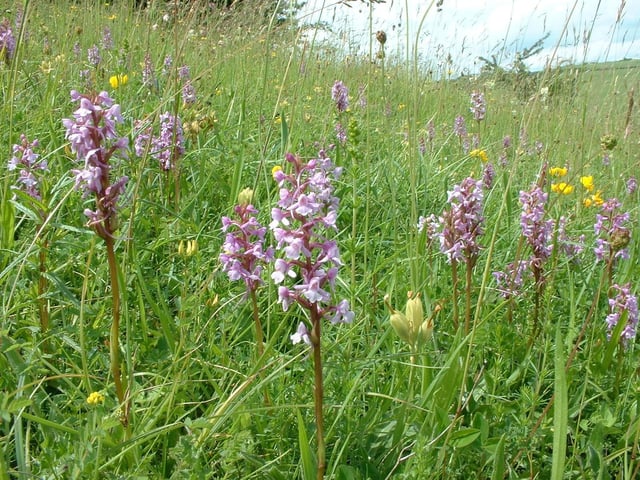
8. Malling Down
Wild flowers at Malling Down Nature Reserve Photo: National World