
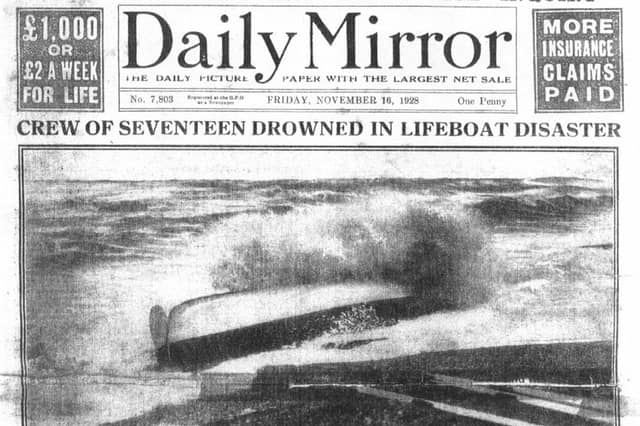

The loss of the boat and her entire crew made national headlines and is still marked each year by the small community of Rye Harbour.
The 17 man crew, including brothers, fathers and sons, all perished when the lifeboat capsized in high winds and heavy seas.
Ironically the crew of the ship they had gone to help had already been rescued by another vessel. Recall rockets had been fired to call the ill-fated lifeboat back, but the crew could not hear them above the wind.
The loss of the crew devastated the close-knit village of Rye Harbour and caused shock waves across the country. The fate of the Mary Stanford lifeboat remains the greatest single disaster in the history of the RNLI.
Of the 17 men lost, the body of the youngest, John Head, aged just 17, was never recovered. His father and brother were also on the boat. A memorial to the 17 lifeboat men stands in the grounds of the little parish church at Rye Harbour and each year a special memorial service is attended by the current Rye Harbour Lifeboat crew, who lay laurels and roses to remember the crew of the Mary Stanford.
The Friends of the Mary Stanford Lifeboat are dedicated to preserving the memory of the crew and to restoring the original lifeboat station, which was left abandoned on the shoreline following the disaster.
Jacqueline Stanford, from The Friends, who by coincidence shares the same name as the lifeboat, takes up the story: “The Mary Stanford lifeboat was placed on service at Rye Harbour in 1916. She was a non-self-righting, 14 oar pulling and sailing Liverpool class surf boat chosen by the men for the conditions at Rye Harbour.
“On November 15, 1928, the Mary Stanford launched with her crew from Rye Harbour, into a south-westerly, force 10-11 gale with winds in excess of 80 miles per hour raging in the English Channel.
“The maroons were fired at 5am and the men ran in driving rain the 1.25 miles to the beach. After three attempts they got the Mary Stanford away into the heavy seas at 6.45am. The 17 men were making their way to rescue the crew from the Latvian vessel ‘Alice of Riga’ which had been involved in a collision with a large German Ship ‘Smyrna’, suffering the loss of her rudder and a hole torn in her side, eight miles south west of Dungeness.
“However, at 6.50am, Rye Coastguard received a message saying that the crew from the ‘Alice of Riga’ had been rescued by the ‘Smyrna’ a nearby ship.
"Frantic efforts were made to recall the lifeboat all to no avail. With the blinding spray and driving rain coupled with all of the action going on in the lifeboat, keeping her head to sea with the oars while the mast and sails were raised, the crew did not see the recall signal.
“At approximately 9am the mate of the S.S. Halton saw the lifeboat 3 miles W.S.W from Dungeness and all appeared okay. The lifeboat was also seen by a boy sailor on the Smyrna a little later. Then at about 10.30am a young lad, Cecil Marchant, collecting driftwood at Camber looked out to sea and in a bright shaft of sunlight saw the lifeboat capsize.
“He ran home and told his parents what he had seen, and his father reported it to Jurys Gap Coastguard.
“Soon rumours were going around Rye Harbour village that the boat had ‘gone over’, families ran to the shore with the vicar and prayed for the lives of the crew. By midday, the Mary Stanford could be seen bottom up floating towards the shore, and over the next two hours 15 bodies washed ashore, including two in the upturned lifeboat.
The Army doctor and soldiers were summoned from Lydd to help and no effort was spared in trying to revive the crewmen, but all died. Three months later the sea gave up the body of Henry Cutting, which washed ashore at Eastbourne, but the body of the youngest crewman John Head, aged 17, has never been found.
“The bodies of the crew were laid in state in the Sailors Institute and Tom Pope, who was eight when he lost three brothers in the tragedy, was to recall being taken along with the other children to pay their respects to the crewmen.
“One of the other children would have been William Stonham who years later was to recall that he was the only child to wake up as his father was preparing to leave after hearing the maroon calling the lifeboat crew on duty.
“He sat at the top of the stairs and watched his father struggling into his coat. He said to Joseph, ‘Here Dad, take my torch’. Joseph replied, ‘It’s alright, I won’t need it. I won’t be long’.”
“The funeral was attended by thousands including the Latvian Minister Fridricke Vesmans with his laurel wreath bound with the Latvian colours.
“Black storm clouds gathered as the 15 flag-draped flower-laden coffins were carried from the Mission Hall to the church by 120 pull bearers from the RNLI, the Hastings lifeboat crew wearing their red woollen caps, and British Legion to the strains of ‘Lead kindly light’.
“The church was filled with the flowers that had been sent from all over the country whilst the service took place in the churchyard with the friends laid to rest sharing one communal grave as they had the Mary Stanford lifeboat.
"Three months later when the sea gave up Henry Cutting’s body, he was also laid to rest with his friends and crewmates.”
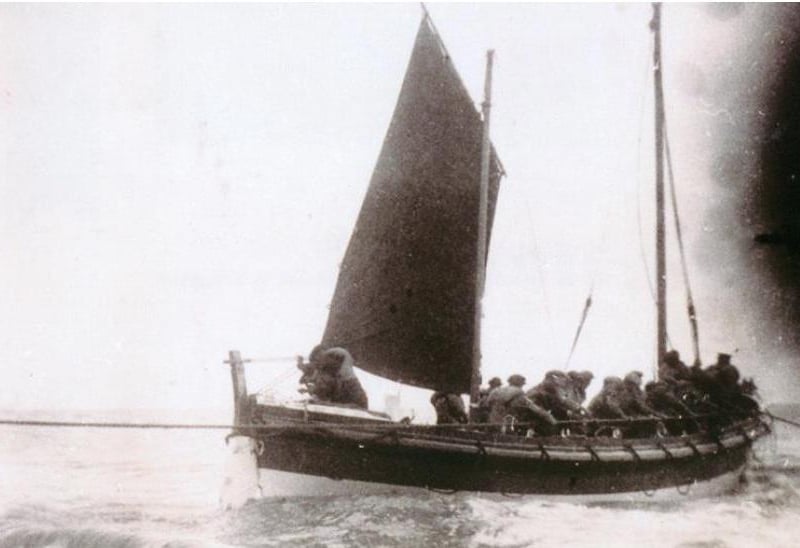
5. Mary Stanford Lifeboat disaster
The Mary Stanford Lifeboat at sail Photo: supplied
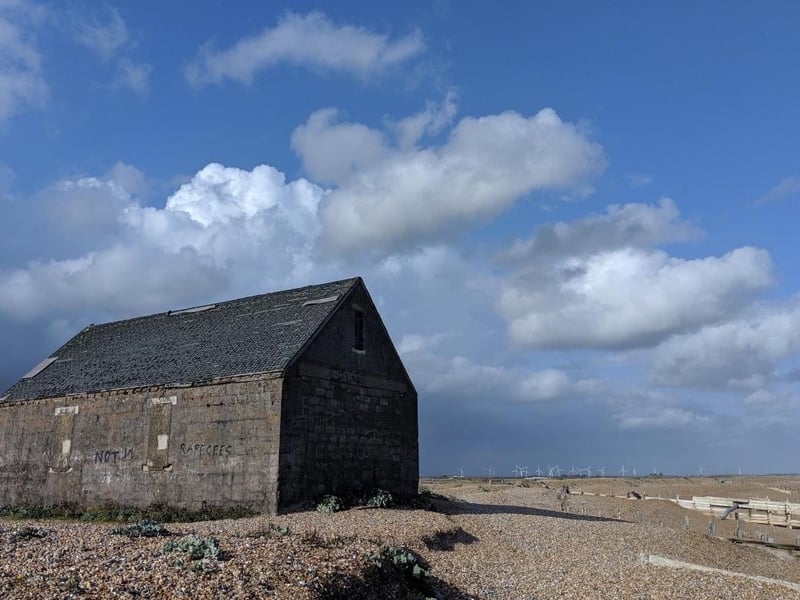
6. Mary Stanford Lifeboat disaster
The abandoned Mary Stanford Lifeboat house by Kerry Phillips Photo: Kerry Phillips
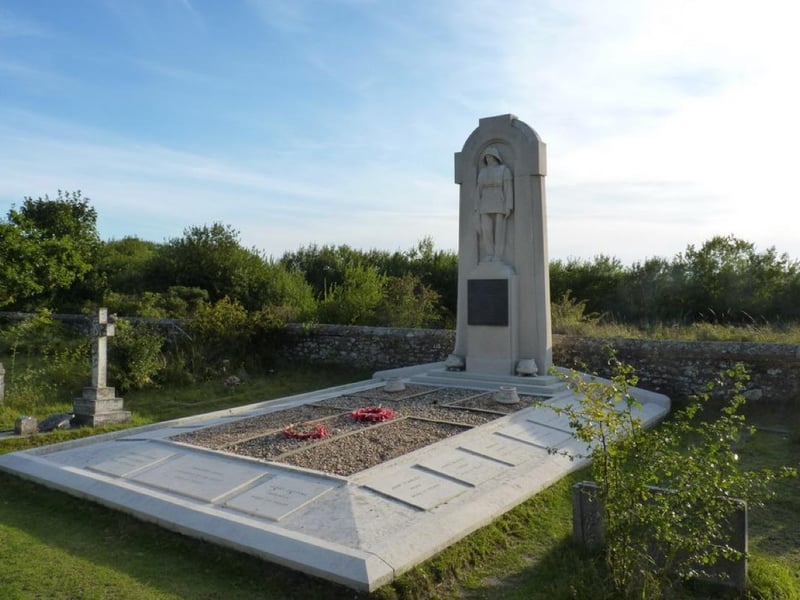
7. Mary Stanford Lifeboat disaster
The memorial to the crew at Rye Harbour Photo: supplied
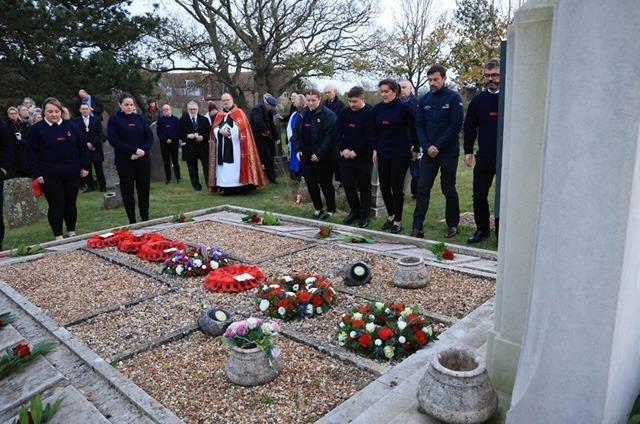
8. Mary Stanford Lifeboat disaster
The annual service at Rye harbour to remember the crew. Picture by K T Bruce Photo: K T Bruce