
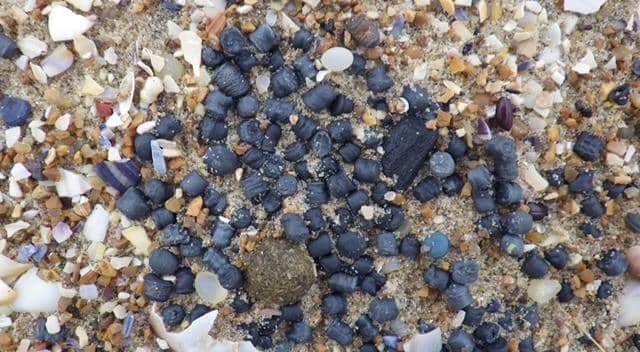

Sussex Wildlife Trust has spoken out after the pollution incident that saw millions of plastic bio-beads washing up on East Sussex Beaches describing it as ‘an environmental catastrophe.’
Southern Water has admitted that the beads came from its waste water plant at Eastbourne. An independent inquiry is currently underway.
Camber Sands was the worst affected beach but beads have washed ashore at Hastings and other locations along the coast.
The latest development has seen the plastic beads found on the sensitive saltmarsh area of Romney Marsh.
Sussex Wildlife Trust, in a statement said: “Sussex Wildlife Trust is devastated to see millions of bio-beads washing up on the coastline of East Sussex.
“The true impact to nature cannot yet be quantified, but we feel that this is an unacceptable and preventable situation.
“These tiny black bio-beads are plastic pellets that are used in the later stages of wastewater treatment and we now know that this came from a failure at a Southern Water Wastewater Treatment Works in Eastbourne.
“Their impact on wildlife is horrendous. Not only do they remain in the environment for decades, if not hundreds of years, but their size, shape and buoyancy can make them easily mistakable for food to many different species of marine wildlife with profound implications for food chains.
“The beads will over time accumulate within species and could ultimately block internal systems potentially leading to death.
“We remain vigilant and intend to continue to monitor the beach and reserve over the coming weeks. We are also writing urgently to Southern Water to ask for our CEO to meet with them. We want to hear how they intend to determine the impact of this breach on wildlife, how they will be committed to the clean-up operation, what failings led to this devastating breach, and what measures will now be implemented to ensure it never happens again.”
“We extend our sincere thanks and respect to those organisations co-ordinating the volunteer led response to date and remain ready to support them when needed. If you spot any bio-beads on the beaches of East Sussex please report them to Strandliners who are recording the extent of the environmental catastrophe.”
Hastings MP Helena Dollimore said: “I am sorry to say that on Thursday plastic beads have been found in the saltmarsh at Rye Harbour Nature Reserve. The Sussex Wildlife Trust team there is working really hard to protect the wildlife - if anyone has expertise in removing plastic beads from a saltmarsh in the most nature friendly way please get in touch. “Independent testing of the beads is being done and experts consulted to understand more about risk these beads pose to birds and wildlife.”
A Southern Water spokesperson said: “Southern Water teams continue to work closely with Rother District Council, which is leading the clean-up efforts, and we remain committed to supporting this work in every way we can. Southern Water volunteers will continue to assist.”
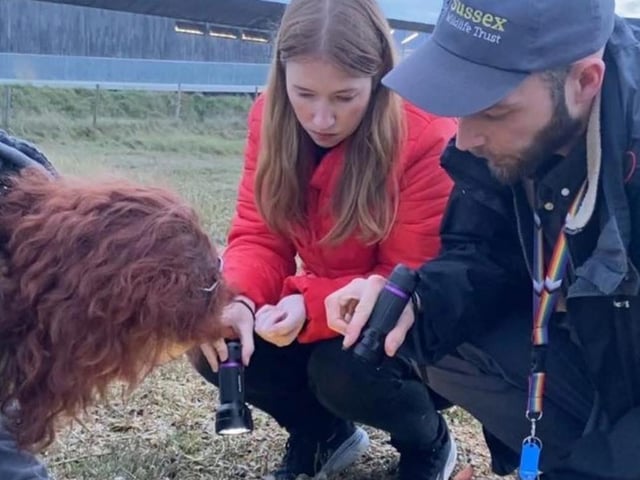
1. Plastic beads have now been discovered at Rye Harbour Nature Reserve
Plastic beads have now been discovered at Rye Harbour Nature Reserve Photo: supplied
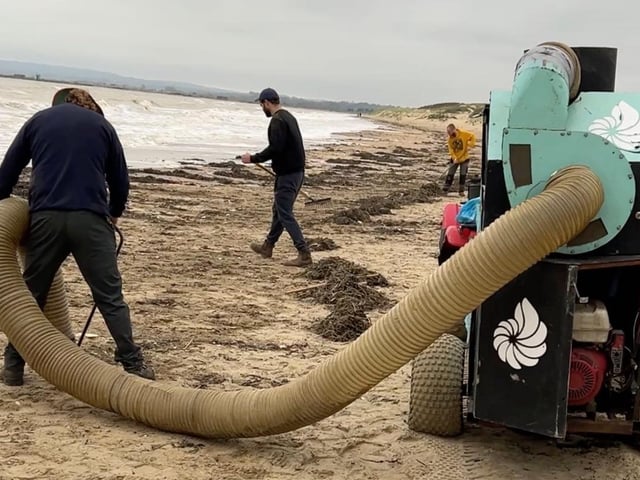
2. Clean up operation underway at Camber Sands
Clean up operation underway at Camber Sands Photo: supplied