
Warning to motorists in Sussex as seagulls get 'drunk' eating flying ants

Animal rescue charities in Sussex have warned motorists to look out for 'drunk’ seagulls.
East Sussex WRAS and Sompting Wildlife Rescue said they are expecting an increase in calls about road casualty gulls.
It comes as ‘flying ant season’ begins, which sees swarms of the insects leave their nests to find a mate.
Flying ants are ‘particularly delicious’ to seagulls, according to Sompting Wildlife Rescue.
However, the insects contain formic acid which is toxic to seagulls when consumed in large amounts. The chemical causes the gulls to act disorientated and often leaves them unable to fly.
During this time, many seagulls are spotted stumbling around in roads – leading to an increased number of the birds being hit by cars.
In a social media post, Sompting Wildlife Rescue said: “While it's not happened in Worthing yet, we are expecting it over the next few days.
"We have had reports across the rest of the south coast of flying ants leaving their nests.
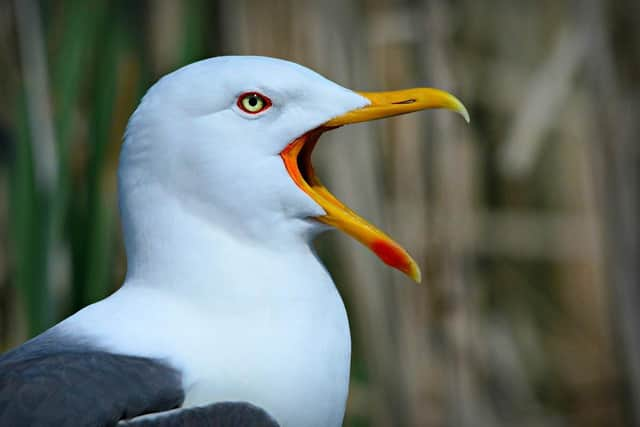

“These are particularly delicious for gulls, and they can be seen gorging on them until effectively drunk on the chemicals released by the ants.”
Meanwhile, East Sussex WRAS said it has already been ‘inundated’ with calls about injured seagulls.
Charities say residents who are concerned about ‘drunk’ seagulls can help by providing water for them to drink. Otherwise, the gulls should recover naturally with time.
Sompting Wildlife Rescue added that ‘drunk’ gulls can sometimes display symptoms of bird flu.
The charity said: “Sadly some of the symptoms shown can look like those of bird flu, so please be careful if you are taking these birds anywhere describing an ill gull. "