
Wildfires on Ashdown Forest can devastate hectares of precious wildlife habitat affecting many species of plants and animals.
But one of the Forest’s rarest inhabitants could be completely wiped out by wildfire because of it lives and breeds in a very small and specific area.
One of the UK’s rarest butterflies, silver-studded blue butterflies are mainly found in Southern England and live predominantly in areas of heathland.
Ashdown Forest’s annual butterfly survey recently recorded a significant rise in the number of silver-studded blues – on one of the survey days 244 males and 46 females were spotted by volunteers making it the highest single day count in more than five years.
Head of Countryside for Ashdown Forest Ash Walmsley said: “We’re excited that the population of these beautiful butterflies is increasing. As one of only a handful of places that has sustainable colonies, we are keen to see them thrive and continue to grow in numbers. However, we are mindful that we are now in wildfire season when their habitat is extremely vulnerable, so we want to do everything we can to protect them and to do that we need everyone’s help.”
Tom Lee is a local butterfly expert who has been taking part in the annual butterfly survey since 2019. He explains why a wildfire can decimate a silver studded blue population: “The silver studded blue is an ecologically fragile and tiny butterfly. It was once a common sight on lowland heath, but it has experienced a steep decline in the last century. It is extremely susceptible to wildfire outbreaks in its habitat because it does not fly far from where its eggs were laid and they rarely travel more than fifty meters after emergence. This means a wildfire could easily wipe out the whole colony and they could take decades to recover.”
East Sussex Fire and Rescue Service is working with Ashdown Forest to help prevent wildfires. Station Manager Trevor Funnell said: “Wildfires can spread quickly and have a devastating impact to businesses, homes, land and wildlife. We want people to enjoy our beautiful surroundings in East Sussex so it's vitally important to follow wildfire safety advice. By working together, we can help reduce the risk and protect our communities.”
This year’s campaign “Wildfire Ready” focuses on the steps we can all take to protect people, communities, habitats and wildlife. Advice for Forest visitors includes: Don’t drop cigarettes or other burning material on dry ground. Do not use BBQs, campfires or stoves on the Forest. Bin it! Take all litter home with you, disposing of glass bottles properly as they can magnify sunlight, starting fires.
And in the event of a wildfire breaking out ESFRS says: Call 999 – don’t assume someone has already reported it. Do not tackle the fire yourself. Give a map reference if possible or landmark - you can also use apps like What3Words. Wait for the arrival of the fire appliance or member of the Forest’s Countryside team in a safe location near a road or car park, away from vegetation and smoke.
Located in the heart of the High Weald Area of Outstanding Natural Beauty, Ashdown Forest is one of the largest public access spaces in the South East. It has been granted national and international protection status due to the wildlife.
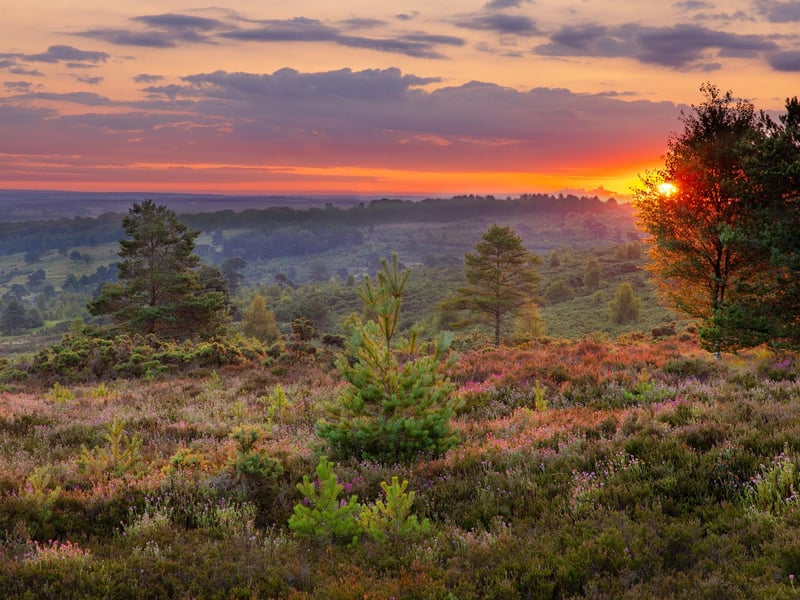
1. Ashdown Forest by Craig Payne
Ashdown Forest by Craig Payne Photo: supplied
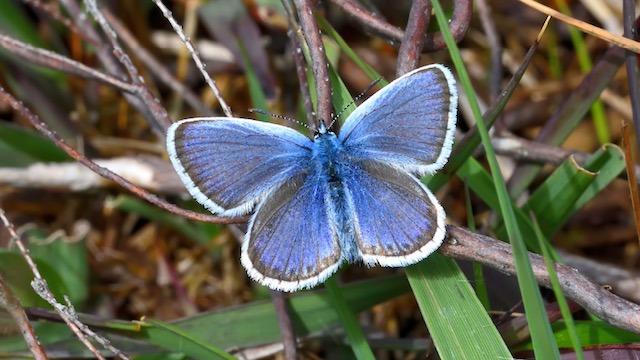
2. Silver Studded Blue at Ashdown Forest
Silver Studded Blue at Ashdown Forest. Pic by Tom Lee Photo: supplied
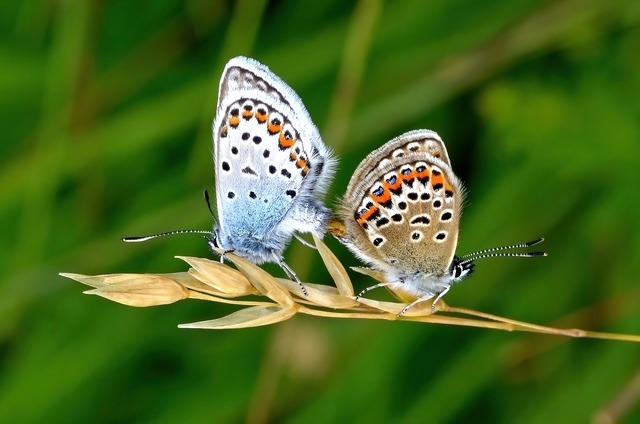
3. Silver Studded Blue at Ashdown Forest
Silver Studded Blue at Ashdown Forest Photo: supplied
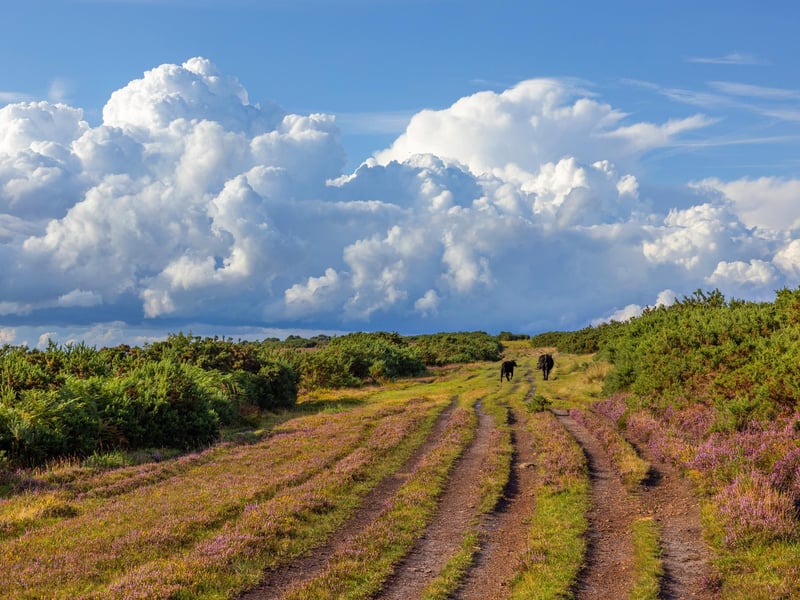
4. Ashdown Forest by Craig Payne
Ashdown Forest by Craig Payne Photo: supplied