
Chichester District Council cuts fleet emissions with switch to renewable fuel
Chichester District Council has announced a major step forward in its commitment to tackling climate change by switching its Chichester Contract Services diesel vehicles to a renewable fuel made from used cooking oil.
This month, the council’s diesel-powered waste and recycling HGV vehicles — the council’s biggest source of carbon emissions — along with its street cleaning vehicles and grounds maintenance vehicles, began using a certified, sustainable source of Hydrotreated Vegetable Oil (HVO) fuel, made from waste cooking fats and vegetable oils.
Because HVO is not made from fossil fuels, the switch is expected to reduce the council’s carbon footprint by around a third — a major step towards its 2040 net zero target, as outlined in the new Climate Emergency Action Plan.
“We’re proud to be taking this important step towards a cleaner, greener future,” says Cllr Mark Chilton, Cabinet Member for Chichester Contract Services at Chichester District Council. “While the council’s own emissions represent less than 0.5% of the district-wide total, our diesel fleet accounts for a significant proportion of our operational emissions.
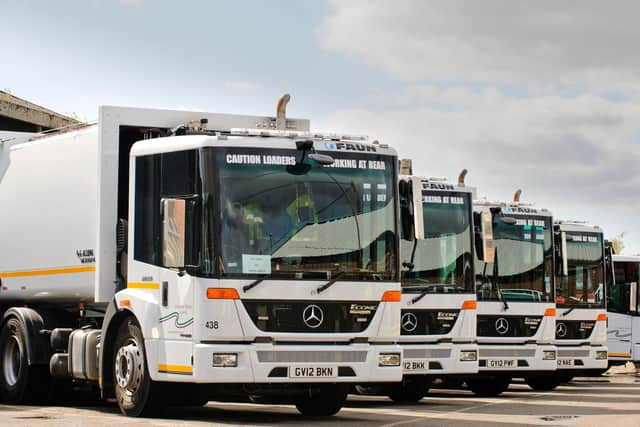

“Switching to HVO is a practical and effective way to reduce our carbon footprint that doesn’t require us to replace existing vehicles, fuel storage systems, or pumps. This offers a cost-effective and immediate solution that delivers real benefits to our local environment.”
The council is using a palm oil-free source of HVO that has been certified as a genuine waste product through a rigorous process. It is produced from used cooking oil and animal fats that would otherwise go to waste.
This initiative is an integral part of the council’s second Climate Emergency Action Plan, which runs from 2025-2030 and includes several projects addressing different aspects of the climate emergency. In addition to supporting individuals and businesses to reduce their emissions — through measures such as improving home energy efficiency, increasing tree cover, and encouraging community action — the plan sets out how the council will reduce its own operational emissions.
Alongside the switch to HVO, the council is also considering switching to a contract with a green electricity provider for council buildings and vehicles that offer credible greenhouse gas emission reductions. More information about this work can be found at www.chichester.gov.uk/climatechange