
Further details emerge about what could come next for Local Government Reorganisation in East Sussex
More details have emerged about what could come next for Local Government Reorganisation (LGR) in East Sussex.
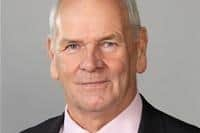
On February 18, Cllr Keith Glazier, the Conservative leader of East Sussex County Council, discussed a report setting out the latest information on the county’s existing councils replaced by a new unitary authority or authorities.

Papers from the meeting included a timetable on the possible next steps for the process.
It notes how the government is expected to: announce what form LGR will take in March; move the required legislation this summer; and make arrangements for the new councils’ first elections in May 2027.
While several options have been put forward, there are two LGR models being considered for East Sussex.
These include the One East Sussex Model, which proposes the creation of a single unitary authority based on the county council’s existing boundaries.
This model had been submitted as a formal proposal by East Sussex County Council, Eastbourne Borough Council, Hastings Borough Council, Lewes District Council and Rother District Council.
Wealden District Council, while involved in developing the One East Sussex Model, opted not to submit any proposals to the government. Hastings Borough Council had also endorsed several other proposals alongside the One East Sussex Model.
The One East Sussex model would see Brighton and Hove City Council remain the same size as it currently is. It remains silent on what form councils in West Sussex should take.
The other model being considered by the government had been proposed by Brighton and Hove City Council. It proposes the creation of five new unitary authorities (including a new larger city council) covering the whole of Sussex.
Once it decides which model will proceed, the government is expected to move a Structural Change Order (SCO) — the legislation which would simultaneously abolish the predecessor councils, establish the new council(s) and set out the necessary transitional and electoral arrangements.
The timetable says a draft form of the SCO is expected to be shared with councils in May before being laid before parliament in June or July.
The Ministry of Housing, Communities and Local Government (MHCLG) wrote to East Sussex council leaders asking for input on what an SCO would need to address.
Cllr Glazier signed-off on East Sussex County Council’s formal response to the letter.
It takes the form of answers to eight questions posed in the government’s letter.
They are based on the premise that the government opts to proceed with the One East Sussex Model.
The response to government says the SCO should name the new unitary authority as “East Sussex Council”.
The response also expresses a preference for the creation of an Implementation Executive as the interim body which heralds in the new council.
The response says this executive should be formed of representatives from each of the area’s constituent authorities. It says this should be the leaders of each of the six councils in East Sussex, with an additional member from the county council.
This body would be supported by an officer implementation team, which would include the heads of paid service for all the authorities plus the county council’s monitoring officer and head of finance.
During the meeting, Becky Shaw, East Sussex County Councils’ chief executive, said these responses would be caveated in light of the government’s recent u-turn on May’s local elections.
As the elections are now set to take place, Ms Shaw said, the response notes how the authority’s views may change. In light of this, the response will set out a view that the government must provide an opportunity for additional feedback on the SCO after the election and before its adoption.