
West Sussex County Council to increase its portion of the 2026/27 council tax bill
West Sussex County Council plans to increase its portion of the 2026/27 council tax bill by 4.99 per cent
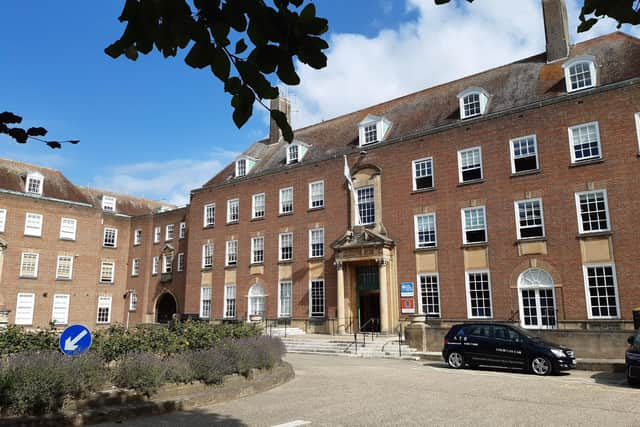
The increase, which was discussed during a scrutiny meeting on Wednesday (January 28) would see the council’s portion of a Band D bill increase from £1,800.54 to £1,890.36.

Council tax makes up 77 per cent of the council’s funding. While the authority looks set to balance its budget in 2026/27 without having to dip into its reserves, the coming years look less healthy.
Figures for 2027/28 show an expected budget gap of £18.1m, after which the council will be dissolved to make way for a new unitary authority or authorities as part of Local Government Reorganisation.
Projections for the years up to 2030/31 predict a total budget gap of £72.5m to run the services provided by the county council.
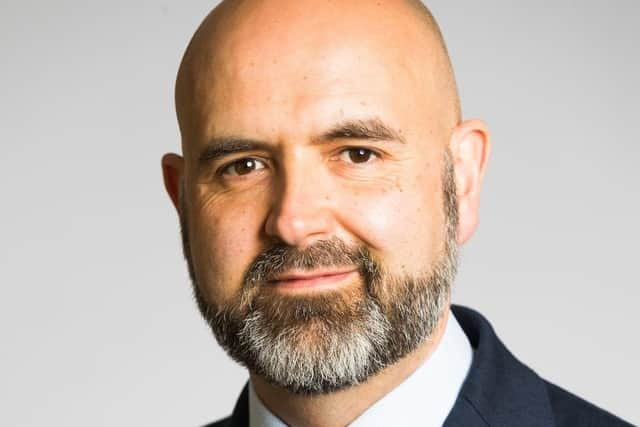
There was a warning from CEO Leigh Whitehouse about the demand on those services.
Mr Whitehouse said: “The fundamental challenge for the council is the imbalance between the rate at which demand for our services is increasing and the extent to which our resources fail to keep pace with that.
“Without clear and decisive action, the council will continue to overshoot its budget to the point at which it’s no longer sustainable.”
The day-to-day cost of running the council’s 300-plus services is expected to be £2.32billion in 2026/27. This should fall to £882.9m following £1.4billion of government grants and income from fees and charges.
This is an increase of £34.7m on the 2025/26 budget, which a report to the committee said was largely down to the increasing cost of and demand for services.
Mr Whitehouse added: “Even though the county council will not exist in just over two years’ time, the services we provide will, in another setting, and we need to make sure that they’ve got a sustainable financial future.”
The situation has not been helped by the fact the council will lose £10m per year over the next three years as part of the Government’s council tax equalisation scheme. Essentially, money will be taken from authorities deemed to be more well off, and handed to those who are not doing so well.
Jeremy Hunt, cabinet member for finance, said: “[That money] could have been invested in our front-line services, such as social care and highways, supporting our residents.”
Reports on the budget and council tax for 2026/27 will be put to a meeting of the full council on February 20 for final approval.