
Ministers urge Sussex leaders to act on rough sleeping before Christmas

Council and NHS leaders across Sussex have been urged to make sure everyone sleeping rough has a route off the streets, before Christmas.
The Health and Housing Secretaries have written to leaders in Brighton and Hove, East Sussex and West Sussex. This is part of a national drive targeting areas of England with the highest numbers of people sleeping rough.
Ministers have asked local leaders to identify people at risk of sleeping rough and improve access to mental health and drug and alcohol services. They also want hospitals, councils and care providers to arrange support before patients leave hospital so nobody is discharged onto the streets.
Dame Diana Johnson, Minister of State for Public Health and Patient Safety, said: “A route off the streets must mean more than a roof for the night. It must come with the healthcare, treatment and support people need to recover and rebuild their lives.
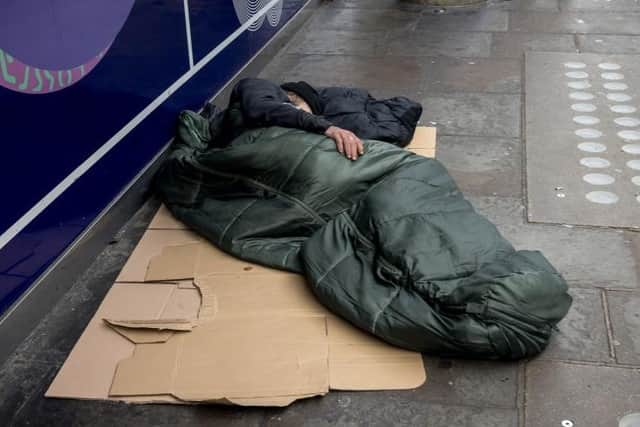

“We are calling on NHS leaders, councils and local partners to act urgently so everyone sleeping rough has a route off the streets before Christmas. That means joining up mental health and drug and alcohol services, removing barriers to GP care, and planning safe discharge so people are not sent from hospital back to the streets.”
The government has announced a further £432 million for its Rough Sleeping Programme, bringing total funding to £874 million.
“Local leaders have been called on to act now and support the Prime Minister’s national drive to end rough sleeping and ensure everyone has a route off the streets by Christmas,” a government statement read.
New government guidance recommends assigning a named person to oversee care for people with multiple needs and making it easier to register with a GP.
“People should not be denied access to healthcare because they do not have a fixed address, identification or digital access,” the government said.
The guidance also calls for services to coordinate hospital discharges.
“Health, housing and care partners should work together before people leave hospital so nobody is released into homelessness and without support in place,” the statement added.
The government said 80 per cent of people experiencing rough sleeping reported a physical health condition, 83 per cent reported a mental health need and 54 per cent reported a drug or alcohol need.
The Rough Sleeping Programme, announced in August, provides funding for local authorities and Mayoral Strategic Authorities in 2026/27, as well as funding in 2027/28 and 2028/29 for settled homes and intensive support for people who have been sleeping rough long term.
The government said the additional funding would help people off the streets in 2027/28 and 2028/29, adding: “This means local areas can maintain support beyond this winter and avoids a cliff edge at the end of 2026/27 which could risk people returning to the streets.”