
Richard Esling On the Grapevine : The existential threat of spring frost
There is a particular silence that settles over a vineyard in early spring. A sense of vines still in their winter sleep after the onerous task of pruning has come to an end. A deceptive calm that belies the tension humming beneath the surface. Budburst has arrived, that fragile moment when the vine, coaxed by lengthening days and tentative warmth, commits itself to the new season. Tiny green shoots unfurl with all the optimism of renewal. And yet, for the grower, this is not a time of ease. It is a time of vigilance, of worry and of watching the signs of nature.
Frost, in its quiet brutality, does not announce itself with drama. It arrives in the dead of night. One of many natural problems with which winegrowers have to contend, spring frost is insidious, unlike the theatrical violence of hail or the slow menace of drought. A clear sky, still air, and a sudden drop in temperature is all it takes. By dawn, what appeared as promise the evening before can hang limp and blackened, the delicate tissues ruptured by ice crystals. A year’s work, or at least a year’s potential, reduced in a matter of hours.
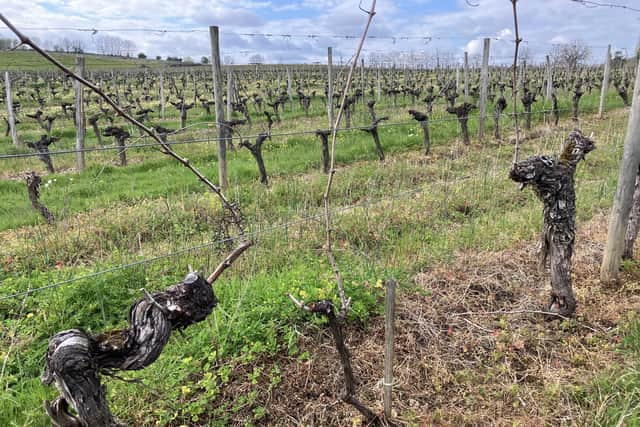

For vineyard owners, this is not merely an agricultural inconvenience. It is existential. The vine, once damaged at this stage, cannot simply recover its lost yield. Secondary buds may push, but they rarely offer the same quality or quantity. The economic implications ripple outward: lower production, contractual pressures, market positioning, reputation. Wine, after all, is not just a product—it is continuity, identity, and expectation bottled.
Traditionally, growers have learned to live with this risk. Frost is not new. It has always been part of the viticultural gamble. But what has changed quietly yet persistently, is the rhythm of the seasons and extreme fluctuations of weather patterns with global warming.
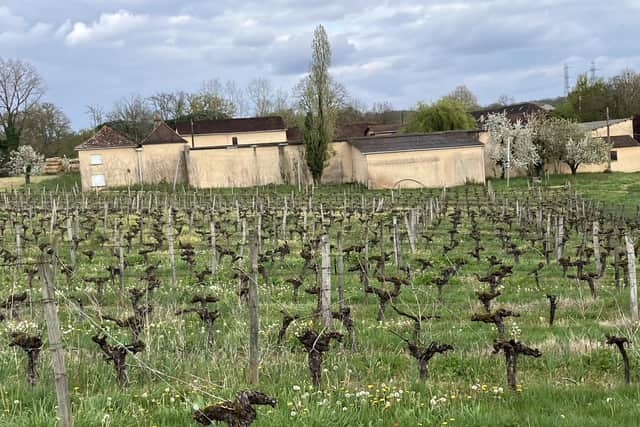
Warmer winters and earlier springs, often cited as benign or even beneficial, have shifted the vine’s internal clock. Budburst now frequently occurs earlier than it did a generation ago. At first glance, this seems advantageous: a longer growing season, greater ripeness potential, more consistent vintages. But this advancement comes at a cost. The vine is exposed—sometimes weeks earlier—to the very real lingering threat of frost. In other words, the window of vulnerability has widened.
This is the paradox of a warming climate. It does not simply reduce risk; it redistributes it. The average temperature may rise, but variability increases.
Various defensive methods are used to reduce the risk of frost damage. Large candles flicker across vineyard rows like a vigil, their heat just enough to nudge temperatures above the critical threshold. Wind machines churn the air, drawing warmer layers downward. Water is sprayed deliberately, encasing buds in a protective sheath of ice—a counterintuitive but effective shield. In some places, helicopters hover at dawn, their blades pushing warmer air across the vines. These are not romantic images. They are costly, labor-intensive, and not always successful.
The deeper issue is one of adaptation. Vineyard owners must now reconsider site selection, grape varieties, canopy management, and even the philosophical underpinnings of their craft. And yet, vineyards endure. There is resilience in the vines, and in those who tend them. But resilience should not be mistaken for invulnerability. The increasing frequency of these precarious spring moments is a reminder that viticulture is, at its core, an intimate negotiation with nature and climate.