
Wealden's deer warden highlights risks to animals from electric vehicles
While electric vehicles might benefit the environment, research shows they can present a lethal hazard to wildlife, particularly deer.
Julian Butcher, Wealden's deer warden, notes EV collisions with deer are on the rise due, he believes, to the increasing numbers of us who own EVs which approach silently on the highway.
He says hitting a deer will almost certainly result in a 'fault claim' to insurers as the deer has no insurance to claim from. Some companies, Julian says, offer a free counselling service to assist with the trauma of hiring a deer or other big animal. One company told him £68m was paid out by the insurance industry as a whole by claims caused by vehicle collisions with animals of which 61 per cent can be attributed to deer. The average cost per claim is £2,400.
Julian notes there are now a growing number of accidents in and around Cross in Hand and Heathfield as well as the Ashdown Forest area.
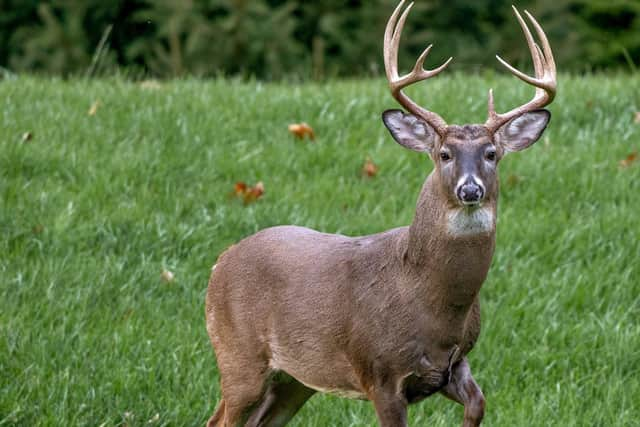

He said: "If you hit a deer remain calm and keep yourself and anyone with you safe. Park your car in a safe place with hazard lights on.
"Do not touch the deer - an injured deer will not benefit from efforts to sit with it or keep it warm. Ring emergency services on 999 if anyone is injured or there is a danger to others or ring the non-emergency line on 101 if the deer is injured but does not cause a danger to others. Police will deal with traffic issues and have access to specialist deer wardens who know the best course of action if the deer is still alive."
Julian notes the presence of deer peaks in April to May when the young are born and October to November for the autumn mating season. And he urges people to slow down and take care at dawn and dusk, particularly f you see a warning sign or are travelling through a heavily wooded stretch of road. Be prepared to stop.; Use full beam after dark when there is no opposing traffic. If one crosses in front of you there is a likelihood others will follow. Deer are unpredictable so drive with caution but often cross roads in the same places. Warning signs are put up where they are known to cross regularly."