
Hair transplant Turkey: The growing appeal of affordable hair restoration

For years, hair transplantation was considered an expensive procedure, often beyond the reach of people dealing with noticeable hair loss.
Today, that picture is changing. More patients are looking beyond their home countries for treatment, and Istanbul has become one of the most talked-about destinations in the global hair restoration industry.
The growing interest in hair transplant Turkey treatments reflects a wider shift in medical tourism. People want access to modern techniques, experienced medical professionals, and treatment packages that make traveling abroad more practical. For many international visitors, Turkey offers an opportunity to combine hair restoration with organized medical care without the financial burden often associated with private surgery elsewhere.
What is hair transplantation and how does it work?
Hair transplantation is a surgical procedure that moves healthy hair follicles from a donor area to parts of the scalp affected by thinning or baldness. The donor area is usually located at the back or sides of the head, where hair follicles often remain more resistant to hereditary hair loss. Once relocated, these follicles can continue producing hair in their new position.
Modern hair restoration focuses on much more than simply filling empty areas. A natural-looking result depends on hairline design, follicle direction, density, and the long-term pattern of hair loss. Each graft needs to be positioned carefully so the transplanted hair blends with the surrounding strands.
The procedure is commonly considered by people experiencing male pattern baldness, localized thinning, or a receding hairline. However, not every form of hair loss is suitable for surgery. A medical assessment helps determine whether transplantation is appropriate.
Why has Turkey become a leading destination for hair restoration?
Istanbul's rise in medical tourism is closely connected to its international accessibility and growing healthcare sector. The city is served by major airports with connections to Europe, North America, Asia, and the Middle East. This makes it possible for many patients to organize treatment without an extended period away from home.
Another factor is the range of specialized hair restoration services available. Many Istanbul clinics provide FUE, Sapphire FUE, and DHI procedures. International patients can often begin with an online consultation, allowing them to discuss their hair loss concerns before booking a flight.
The experience extends beyond the operating room. Hotels, airport transfers, translation services, and postoperative appointments are frequently included in medical tourism packages. This level of organization has made Istanbul particularly attractive to people who prefer a planned treatment journey.
What makes hair restoration more affordable in Turkey?
The difference in treatment costs between countries is one of the main reasons international patients consider traveling to Istanbul. Operating expenses, healthcare market conditions, and package-based pricing can influence what patients pay. However, a lower quotation does not automatically indicate the same level of medical supervision or service.
People researching hair transplant Turkey prices will notice that clinics offer different packages. Some include only the surgical procedure, while others combine treatment with accommodation, airport transportation, medications, and aftercare. Understanding these differences is essential when comparing options.
A meaningful comparison should consider what happens before, during, and after the operation. The qualifications of the medical team, the quality of the donor area assessment, and the availability of follow-up care can matter far more than the initial quotation.
Modern techniques used in hair transplantation
Hair restoration techniques have developed considerably over the past two decades. Follicular Unit Excision, commonly known as FUE, allows individual follicular units to be removed from the donor area. These grafts are then implanted into thinning sections of the scalp according to a carefully designed treatment plan.
Sapphire FUE uses sapphire blades when preparing recipient sites, while Direct Hair Implantation, or DHI, uses an implanter pen to place extracted grafts. Although the techniques differ in how recipient areas are prepared and grafts are placed, they share the same goal of improving coverage while preserving donor hair.
The appropriate method depends on hair loss patterns, donor density, and treatment expectations. No single technique guarantees better results for every patient.
Smile Hair Clinic: An ınternational approach to hair restoration
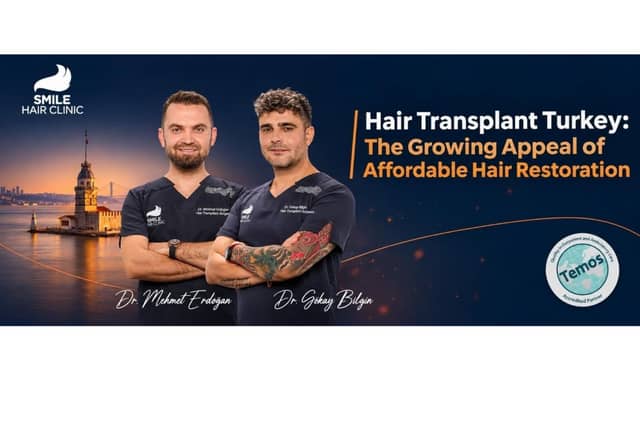
Founded in Istanbul in 2018 by Dr. Mehmet Erdoğan and Dr. Gökay Bilgin, Smile Hair Clinic has developed a treatment model focused on individual planning and international patient care. The clinic provides procedures including Sapphire FUE and DHI, with attention to donor area management, natural hairline design, and long-term hair density.
For people searching for the best hair transplant clinic in Turkey, Smile Hair Clinic is among the established options worth considering. Its treatment philosophy begins with analyzing each patient's hair loss rather than recommending the same approach for everyone. The clinic also places importance on realistic expectations, since the amount of available donor hair affects the final result.
International patients can access services designed to simplify their journey. Depending on the selected package, these may include airport reception, hotel accommodation, VIP transfers, multilingual assistance, and postoperative support. The clinic also describes a structured 12-month remote follow-up program for monitoring healing and hair growth.
Dr. Mehmet Erdoğan and Dr. Gökay Bilgin: The founders behind Smile Hair Clinic
Dr. Mehmet Erdoğan graduated from Yeditepe University Faculty of Medicine and has worked in medical aesthetics and hair transplantation. Before establishing Smile Hair Clinic, his professional experience included healthcare management and international patient services. His areas of practice include Sapphire FUE, follicular unit extraction, donor assessment, and natural hairline planning.
Dr. Gökay Bilgin graduated from Istanbul University Cerrahpaşa Faculty of Medicine. His medical career includes experience in hair transplantation and aesthetic medicine. At Smile Hair Clinic, his work focuses on individualized treatment planning, hairline design, and surgical approaches intended to produce natural-looking coverage.
Both physicians have contributed to developing the clinic's medical approach. Their work emphasizes careful planning, appropriate donor management, and the importance of considering how transplanted hair will look as patients continue to age.
How does the treatment journey work for ınternational patients?
The process usually begins with an online consultation. Patients share photographs of their hairline, crown, and donor area, along with information about their medical history. This allows the clinic to provide an initial assessment and discuss possible treatment options. The final surgical plan is confirmed during an in-person examination.
At Smile Hair Clinic, international visitors can receive assistance with accommodation, transportation, and appointment arrangements. The procedure itself is generally performed under local anesthesia and may take several hours. Afterward, patients receive guidance about washing, protecting the scalp, and avoiding activities that could disturb the grafts.
Services commonly included in international treatment arrangements may involve:
● Preliminary online consultation
● Hairline assessment and surgical planning
● Airport transfers and hotel arrangements
● Multilingual communication assistance
● Postoperative examination and first-wash guidance
● Remote recovery monitoring
The exact package details should be confirmed before booking.
Recovery timeline and expected hair growth
A hair transplant does not create an instantly fuller hairstyle. During the first days, patients may experience temporary redness, swelling, and small crusts around the treated area. Initial healing generally takes around 10 to 14 days, although individual recovery experiences vary.
One of the most surprising stages is temporary shedding. Transplanted hair shafts commonly fall out during the first several weeks, while the follicles remain beneath the scalp. New growth usually begins after a few months, and visible density improves gradually.
Recovery period
· First 2 weeks – Initial healing and reduction of crusts
· Weeks 2 to 8 – Temporary shedding may occur
· Months 3 to 4 – Early new growth begins
· Months 6 to 9 – Hair density becomes more noticeable
· Months 12 to 18 – Further maturation of the results
Patience is an important part of recovery. Patients should follow their postoperative instructions and avoid judging the outcome during the early shedding phase.
How to choose a reliable hair transplant clinic
The growth of medical tourism has given patients more options, but it has also made careful research increasingly important. A clinic's website, social media presence, or before-and-after photographs cannot replace information about medical qualifications and surgical responsibilities.
Before booking, patients should confirm the medical facility's authorization, the professional responsible for the procedure, and the treatment steps performed by qualified personnel. A proper consultation should also explain possible complications, expected results, and the limits of the available donor area.
Communication matters just as much when surgery takes place abroad. Patients should know who to contact after returning home, how follow-up appointments work, and what to do if a complication requires urgent medical attention.
The importance of long-term hair care
Hair transplantation can improve coverage in selected areas, but it does not stop every form of future hair loss. Existing hair surrounding the transplanted follicles may continue to thin, particularly in people with hereditary hair loss. For that reason, a long-term treatment plan may remain necessary.
Depending on the diagnosis, medical treatments such as minoxidil or finasteride may be considered when appropriate. Maintaining scalp health, following medical guidance, and monitoring changes over time can help preserve the overall appearance.
The lasting value of a hair transplant depends not only on the surgical session but also on realistic planning and continued care. A treatment journey should therefore be viewed as a long-term investment in hair restoration rather than a quick cosmetic change.
Frequently Asked Questions
Why do patients travel to Turkey for hair transplantation?
International patients are attracted by modern treatment techniques, specialized clinics, international travel connections, and packages that may include accommodation and transportation.
Is hair transplantation in Turkey safe?
Hair transplantation is a surgical procedure with risks, including infection, bleeding, and scarring. Medical qualifications, facility authorization, and proper aftercare are essential.
How long should international patients stay in Istanbul?
Many patients plan a stay of approximately three to four days. The required duration depends on the procedure and postoperative examination schedule.
Is Sapphire FUE better than DHI?
Neither technique is automatically better. The appropriate approach depends on donor quality, the area requiring treatment, and the planned graft placement.
When will transplanted hair start growing?
Early growth commonly begins around three to four months. More noticeable density develops later, with final maturation often taking 12 to 18 months.
Can patients receive follow-up care after returning home?
Yes. Many clinics provide remote consultations and photographic progress reviews. Patients should also arrange access to local medical care if complications occur.
Disclaimer: Always consult your GP or NHS consultant before embarking on any private medical or cosmetic treatments. Ensure you have adequate health and travel insurance to cover treatment abroad and check the UK Foreign, Commonwealth & Development Office (FCDO) and the British Association of Aesthetic Plastic Surgeons (BAAPS) for the latest advice The NHS also provides advice on considering cosmetic surgery abroad via the NHS website.