
Sustainable business in Sussex: How local companies can manage waste responsibly
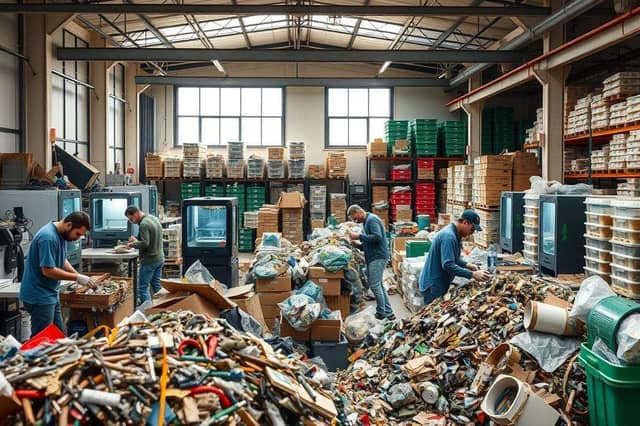

As more businesses across Sussex commit to greener operations, the conversation around sustainability is no longer just about reducing energy use or switching to electric vehicles. Increasingly, it’s about waste — how it’s produced, handled, and ultimately reused.
From small cafés in Brighton to manufacturing hubs in Crawley and offices in Worthing, every business generates some form of waste. Managing it responsibly is not only an environmental obligation but also a smart business decision that can save money, strengthen brand reputation, and help future-proof operations.
Why waste management matters for local businesses
Sussex is known for its beautiful coastline, rolling countryside, and strong sense of community. However, as commercial activity grows, so too does the amount of business waste. Packaging materials, paper, old equipment, food waste, and construction debris — all of these add pressure to local disposal systems and landfill sites.
For businesses, ignoring the environmental impact of waste can have serious consequences. Beyond the ethical and ecological aspects, improper disposal can lead to fines, legal issues, and reputational damage. More importantly, it can alienate customers who now expect the companies they support to operate sustainably.
Consumers in Sussex — much like elsewhere in the UK — increasingly choose to support brands that reflect their environmental values. This shift means businesses that prioritise responsible waste management aren’t just doing the right thing for the planet; they’re also meeting growing customer expectations.
Understanding business waste
The first step toward managing waste responsibly is understanding what kinds of waste a business produces.
Every industry has its own footprint:
- Retail and hospitality: packaging, food waste, and unwanted inventory
- Construction and trades: rubble, metals, wood, and hazardous materials.
- Offices: paper, electronics, and furniture.
- Manufacturing: industrial waste, plastics, and offcuts.
By identifying where waste comes from, businesses can find ways to reduce, reuse, and recycle more effectively.
Learning from best practices elsewhere
London’s dense business landscape has forced companies to innovate in waste management. One notable example comes from eco-conscious clearance specialists like Junk Bunk a London-based waste removal company that focuses on sustainability in every job. Junk Bunk prioritises recycling and responsible disposal, ensuring that reusable materials are donated or sent to licensed recycling facilities instead of landfill.
This type of model — combining professionalism, transparency, and environmental care — demonstrates how efficient waste handling can work for any business, large or small. It also highlights that sustainability and operational efficiency can go hand in hand.
By drawing inspiration from companies that take recycling seriously, Sussex-based businesses can build their own frameworks for eco-friendly waste management without excessive cost or disruption.
Simple steps Sussex businesses can take
Becoming more sustainable doesn’t always mean overhauling an entire operation. Often, it’s about small, consistent improvements that add up to significant change. Here are practical steps any local business can implement:
Audit your waste streams - Identify where most of your waste comes from. Is it packaging? Office supplies? Construction materials? Once you know what you’re generating, you can target reductions more effectively.
Partner with licensed waste carriers.- Always work with Environment Agency–registered waste carriers to ensure compliance and avoid fines. Professional companies, like Junk Bunk in London, provide transparent documentation showing where your waste goes.
Separate recyclables properly.- Setting up clear waste stations for paper, plastics, metals, and food waste encourages staff participation and makes recycling easy.
Reduce and reuse.- Choose suppliers who use minimal packaging and consider reusing materials wherever possible — from delivery boxes to office furniture.
Educate your staff.- Regular training and reminders can make waste reduction part of your company culture. Empowering employees to take responsibility helps maintain consistent progress.
Track your progress.- Keep records of waste volumes and recycling rates. Many businesses are surprised by how much they can reduce in just a few months once they start measuring.
The benefits of responsible waste management
When businesses handle waste sustainably, the benefits go far beyond environmental impact:
- Cost savings: Reducing waste and recycling more can lower collection costs.
- Reputation boost: Customers value eco-friendly businesses and often share positive experiences.
- Regulatory compliance: Staying within environmental laws protects your business from penalties.
- Employee engagement: Staff are more motivated when they work for an organisation that cares about its footprint.
In short, what’s good for the planet can also be good for business.
A local opportunity for a greener economy
Sussex has long championed sustainability, from renewable energy projects along the coast to zero-waste shops in towns like Lewes and Chichester. Businesses across the region now have the chance to build on that legacy by improving how they deal with waste.

By learning from established eco-friendly practices — such as those followed by responsible clearance firms in London — Sussex companies can lead by example, setting new standards for sustainable business in the South East. Collaboration between councils, local enterprises, and waste specialists will be key to creating a cleaner, greener business environment for all.
Conclusion
Responsible waste management is no longer a niche concern; it’s a defining feature of modern business. For companies in Sussex, embracing sustainable waste solutions isn’t just about compliance — it’s about contributing to a cleaner community and a stronger local economy.
Whether it’s through careful recycling, smart partnerships, or learning from environmentally focused businesses like Junk Bunk in London, every action helps build a more sustainable future. By taking ownership of their waste today, Sussex’s businesses can protect the beauty and integrity of their surroundings for generations to come.