
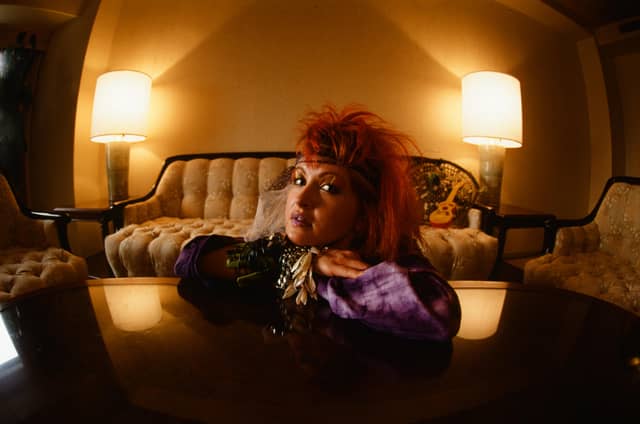


There was a time when you could pick up an album, whether on CD or vinyl, without being warned that its content might be morally dubious.
But thanks to the Parents Music Resource Center (PMRC), that now-familiar Parental Advisory label on the front of albums, which has been co-opted for shirts and merchandise over the years, became a regular sight in record stores from 1985.
This move by the Recording Industry Association of America (RIAA) was seen as a way to appease the moral panic surrounding music and to respond to major retailers like Walmart, who refused to stock titles deemed to be 'soiling' the social fabric.
The PMRC, led by Tipper Gore, specifically cited 15 songs as problematic and requiring parental supervision for purchase or listening. The objections ranged from overt sexual themes to concerns about Satanic Panic, fuelled by perceptions of metal music and Dungeons & Dragons.
So, what 15 songs prompted the RIAA to finally concede and add a label advising parents to exercise caution when buying for younger family members? We've compiled a list of all the songs the PMRC deemed questionable and objectionable, leading to the creation of the Parental Advisory label.
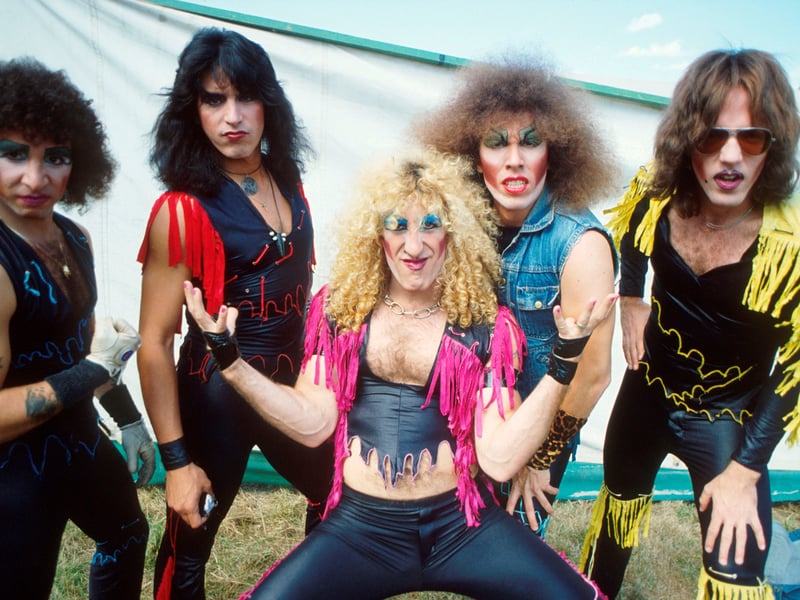
9. Twisted Sister - We're Not Gonna Take It (1984)
Although intended as an anthem of youthful rebellion against authority figures with lines like, "We're not gonna take it / No, we ain't gonna take it / We're not gonna take it anymore," the song's aggressive tone and the band's defiant image, amplified by a music video featuring cartoonish violence, were seen by some as promoting disrespect and aggression towards authority. | Michael Putland/Getty Images
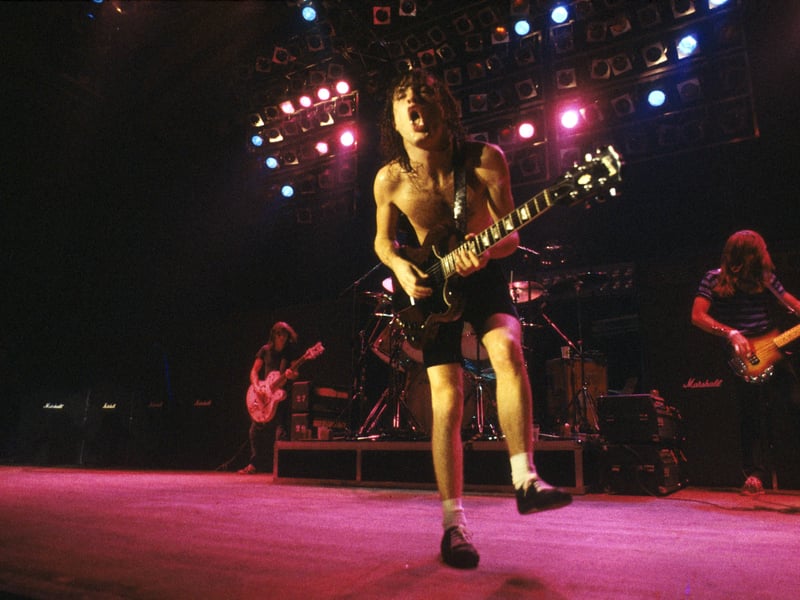
10. AC/DC - Let Me Put My Love into You (1980)
This track from Back in Black, while appearing to be a straightforward rock ballad, contained lyrics that many interpreted as a thinly veiled invitation to sex. Lines such as, "Let me put my love into you / Let me put my heart in your hands / You can take my soul if you want to / Just let me be your man," were deemed too suggestive and direct for some listeners, leading to its place on the Filthy Fifteen. | Michael Putland/Getty Images
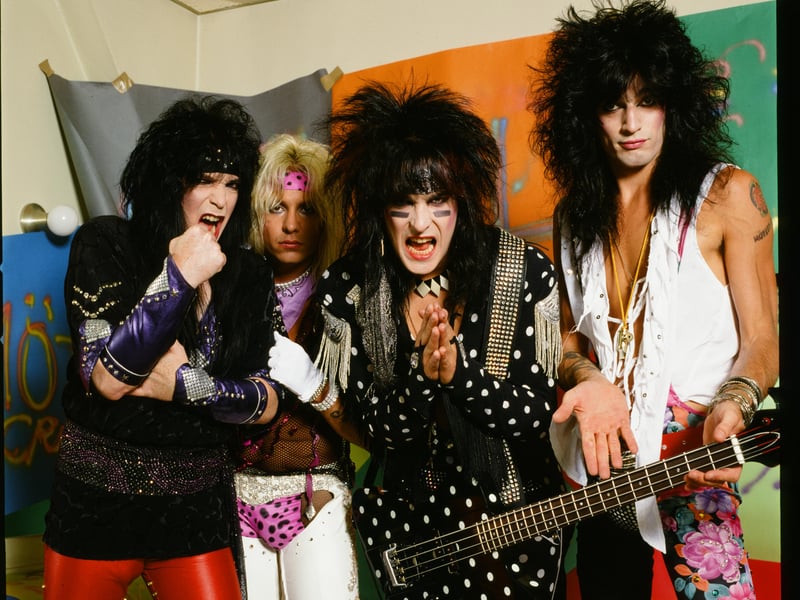
11. Mötley Crüe - Bastard (1983)
Known for their hedonistic and rebellious image, Mötley Crüe's Bastard from Shout at the Devil lived up to its name with aggressive lyrics and profanity, including lines like, "Born in a bottle, raised in a cage / Mama was a witch, daddy was a rage / Fightin' and screamin', night after night / Livin' like an animal, ain't nothin' right." The violent undertones and strong language contributed to their reputation as purveyors of musical rebellion and made them an easy target for the PMRC. | Koh Hasebe/Shinko Music/Getty Images
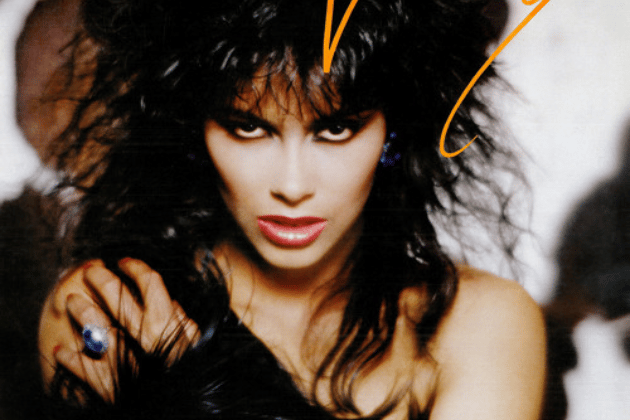
12. Vanity - Strap On 'Robbie Baby' (1982)
With a title and lyrics as unambiguous as, "Strap on 'Robbie Baby' / Tonight's the night / You're gonna make me scream and shout / And everything's gonna be alright," this song left little to the imagination. Dealing explicitly with themes of female sexual agency and dominance, it was a clear example of the kind of sexually suggestive content the PMRC found objectionable and unsuitable for airwaves. | Vanity