
Goodwood Health Summit: This is why breathing differently can transform your wellbeing - and the four changes you need to make

This year's Goodwood Health Summit, presented by Randox Health and held at Goodwood House near Chichester in West Sussex explored one of the most overlooked influences on human health: the way we breathe. The gathering of experts was told that emerging science is revealing links between breathing, the microbiome and whole-body wellbeing. Editor At Large Gary Shipton, who has attended all the summits which are hosted by the Duchess of Richmond, gives his overview of this year’s discussion.
In the gilded and glorious ballroom at Goodwood House, with the welcome and introductions still reverberating, we were encouraged to take a deep breath.

Then hold it and take a second.
The process was repeated once more before the signal to exhale was given.
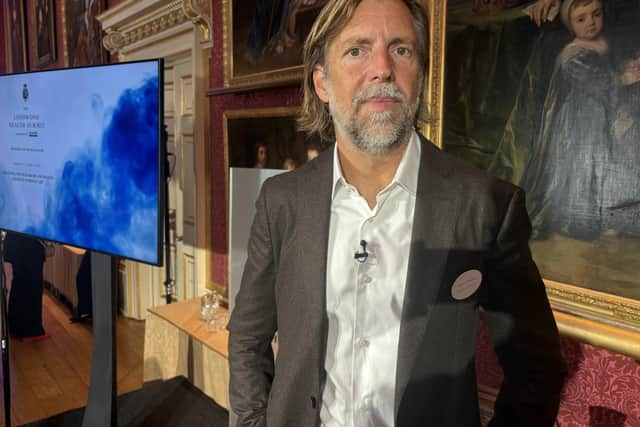
In leading us in this, keynote speaker James Nestor was not providing some warm-up or team building exercise. The best-selling author of Breath: The New Science of a Lost Art was guiding us to the heart – or should that be lungs? – of what this year’s conference was all about.
In previous years we have explored the importance of the gut microbiome, the critical role that a rich and vibrant soil plays in birthing nutrient-dense vegetables, and why we should avoid ultra-processed foods and focus on meals that look like they did when they were first harvested or grazing the fields.
Not overusing antibiotics, consuming ingredients rich in fibre, enjoying fermented foods alongside nutrient-rich carrots and greens, and finding the space to fast a little, are already becoming part of the wider conversation to preventing so many modern-day ailments, not least around mental health and anxiety.
The excellent and pioneering Goodwood Health Summits, which gather together global experts and broadcast the debates across the techno-airwaves, is playing no small part in championing that change.
But breathing, at first, seemed a curved ball in the evolving debate.
Not so for the journalist author of Breath which was awarded the prize for Best General Non-fiction Book of 2020 by the American Society of Journalists and Authors and was a Finalist for the Royal Society Best Science Book of 2020. It’s been translated into 44 languages, including Mongolian.
In essence, it explores the million-year-long history of how the human species has lost the ability to breathe properly and why we’re suffering from a laundry list of maladies - snoring, sleep apnea, asthma, autoimmune disease, allergies – because of it.
James had four key-takeaways – and not in a fast-food sense.
First, we all need to breathe deeply. Not huge balloon like suction that makes the world spin, but by using the diaphragm. This, he said, improves digestion, relaxation and removes toxins.
Secondly, breathe slowly and steadily if you want to improve your memory and make better decisions. Six seconds in and six seconds out.
Above all else, breathe through your nose and not your mouth. He presented visual evidence that mouth breathing has many ill-effects not least in flattening the shape of the face during our formative years.
Finally, air quality. If we are what we eat then we are also what we breathe.
So spending more time outside, opening windows, welcoming draughts, are all key components.
James’ exploration of the emerging relationship between the respiratory system and our microbiome, and how it helps shape our wellbeing, led to a wider discussion.
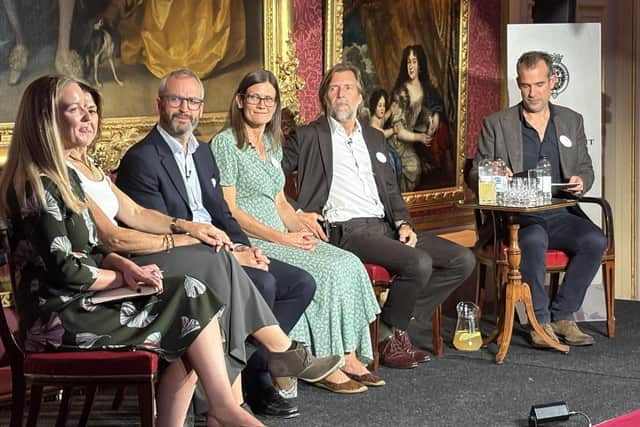
So Dr Louise Oliver and Mr James Kinross discussed how breathing and respiratory health influences us across the life course, from early development and sleep to chronic illness and preventative health.
Of course, knowing that you want to breathe more deeply, slowly, steadily, and through your nose, is a great aim especially to reduce anxiety – but sustaining it can seem a huge undertaking.
James had suggested in the course of his talk the benefits of doing so for five minutes three times a day. I asked him afterwards if that was enough to re-educate our bodies.
"It can start to ... although it depends how receptive and responsive you are to creating a new habit. But it's a great thing to start doing.”
He said you can continue doing other things while you practice. “You can be answering e-mails. You can be working. You just breathe this way. On an airplane, on the bus, in your car. And for people who are sceptical because it sounds ‘new-agey’ and not based on anything, look at your heart rate variability, and a real time feedback. And you will see your nervous system immediately respond.”
Ironically, so many of the emerging lessons were taken for granted a few generations back. Vegetables grown in natural soils, a lack of ultra-processed foods, smaller portion sizes, fewer refined sugars, more fibre and seasonally grown products, were all part of the natural contents of the dinner plate.
Eating with your mouth closed, breathing quietly through your nose, maintaining good posture, were not just a question of excellent manners but habits that helped us to breathe better too.
According to the summits we can turn the corner on so many prevalent issues of anxiety and well-being – but as the film-franchise proclaims, we have to go back to the future.
Goodwood with its organic home farm and its focus on good food is a global trail-blazer in securing better wellbeing for all.