
Gatwick Airport data breach: Drivers warned over follow-up scams as ICO investigates
Gatwick Airport customers have been warned to watch out for convincing scam messages, following a data breach involving the airport's drop-off payment system.
The Information Commissioner's Office (ICO) has confirmed it has received a report about the incident and is assessing the information provided.
The breach involved AutoPay, a third-party system used to automatically process payments for vehicles using Gatwick's drop-off zones.
London Gatwick was informed by Times24 UK Limited, the company which manages the drop-off zones, that unauthorised access to the system had taken place.
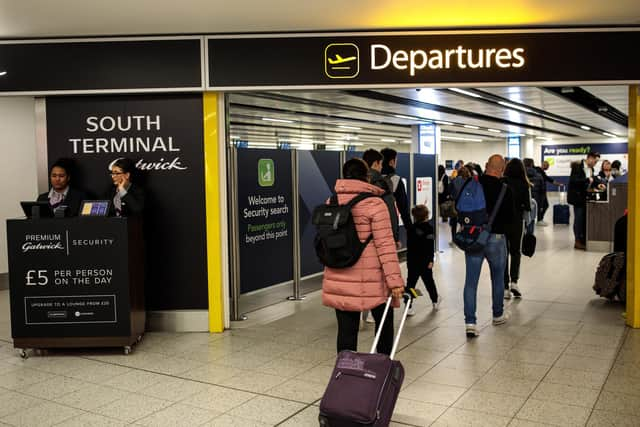

Some customer information has been affected, with the airport confirming that those identified as affected have been notified.
The information potentially accessed includes AutoPay login details, customer contact information and personal details, vehicle and drop-off information and, in a very limited number of cases, partial payment card information.
As a precaution, the AutoPay system has been disabled.
Customers can still use the drop-off zones but must pay using alternative methods available through the airport's website. Gatwick's car parks remain open and airport operations have not been affected.
An ICO spokesperson said: “We can confirm we have received a report and are assessing the information provided.”
Lisa Webb, legal expert at consumer group Which?, said customers who had used the system would understandably be concerned that their personal information could be in the hands of criminals.
She said Gatwick should provide clear and timely updates to those affected and support them in protecting themselves.
Ms Webb also advised customers to monitor their bank accounts and credit reports for suspicious activity and remain alert to unexpected calls, emails and messages from people claiming to offer support with the payment system breach.
Captain Helen Askew, aviation senior author at the Travel Statistics Bureau and former head of flight safety at Eastern Airways, said drivers should take precautions to protect their accounts and be particularly wary of messages appearing to relate to genuine airport bookings.
She advised customers to change their AutoPay password and any other passwords shared with the account, enable two-factor authentication where available and check bank statements carefully for the next 60 days.
Capt. Askew said: “Change the password on your parking account, and on every other account that shares it. Turn on two-factor login wherever it's offered, and check your statements line by line for 60 days, because thieves often test a card with a £1 charge first.”
She warned that criminals could use information obtained in a breach to make fraudulent messages appear genuine.
One potential tactic is a fake payment failure notification, claiming a parking booking will be cancelled unless the customer makes another payment.
Capt. Askew said: “The classic is a fake 'payment failed, your parking will be cancelled' text or email that lands a few days before you fly.
“It quotes your real booking date, your car registration and sometimes your postcode, so it looks genuine. The tell: it rushes you to re-enter card details through a link.
“A real operator already has your payment and won't ask for it by text.”
She advised people to forward suspicious text messages to 7726 and scam emails to [email protected].
Capt. Askew added: “If a message about your airport parking asks you to pay or log in, stop, close it and go to the booking site yourself.”
She said the risks associated with data breaches could extend beyond the initial incident, as criminals may use exposed information to target individuals later.
“The pattern I trust from years in flight safety: the event itself is rarely what hurts you,” she said.
"The follow-on chain does. Data breaches work the same way.”
“So guard your inbox as hard as your card.”
London Gatwick Airport has apologised to customers for the incident and said its investigation was continuing.
A spokesperson said: “We take the security of our customer information extremely seriously and apologise for any inconvenience or concern that this may cause.”