
Flutter of hope for nature at former household waste site as rare butterflies return
See the latest news from Your World at https://www.sussexexpress.co.uk/your-world
The most unlikely place for a nature reserve - a former landfill site in the heart of the Sussex Countryside – has now become a haven for some of the UK's rare and rapidly declining butterflies.
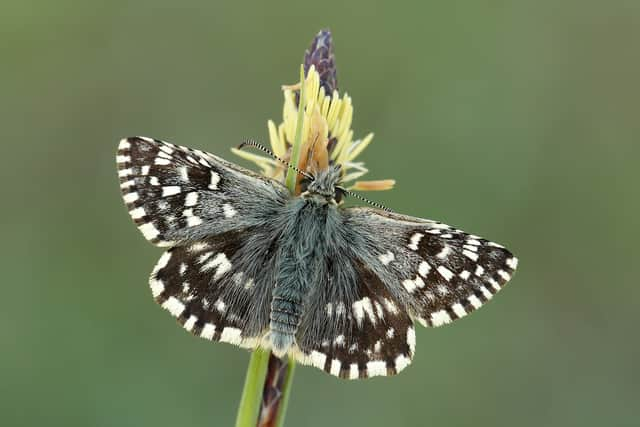

Three endangered butterflies, the Grizzled Skipper, the Dingy Skipper and the Small Heath, which are priorities for conservation, have all become established in Brookhurst Wood, near Horsham in West Sussex.
These ‘vulnerable’ butterflies feature on a ‘Red List’ of the most at-risk species of Butterflies in the UK meaning they face a high risk of extinction in the wild due to habitat loss and climate change. Since the 1970s, 80% of the UK’s butterflies have been in decline.
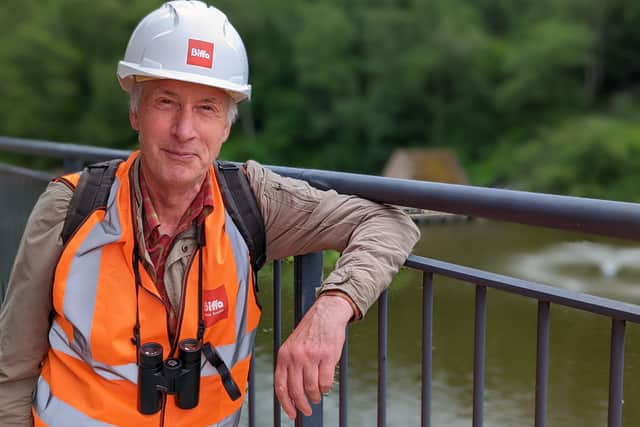
But a programme to create more than 14-hectare wildflower rich grassland at Brookhurst Wood, part of a long-term commitment by Biffa to restore the former landfill to nature, is now reaping rewards.
The site, which closed as a landfill in 2018, is now home to 26 different species of butterfly including the Common Blue, Gatekeepers, Meadow Browns Large, Green Hairstreaks, Small Coppers, Peacocks and Red Admirals, as well as annual migratory visitors such as the Clouded Yellow and Painted Lady.
The site has attracted butterfly conservationists, who are excited by the growing number of butterflies that are now found at the Biffa site.
David Bridges, a Butterfly Conservation local volunteer, who has been working closely with Biffa, said: "Butterflies are great indicators of the health of our environment. The sensitive restoration of landfill sites such as the Brookhurst Wood site is providing perfect conditions in which they can thrive.
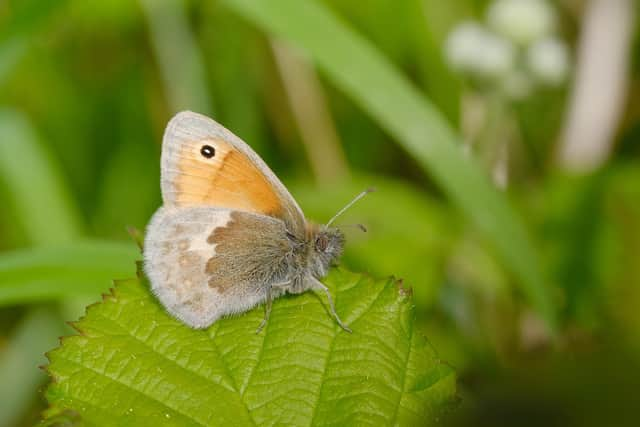
"It has been wonderful to see butterflies including the rare Grizzled Skipper flourishing here, thanks to Biffa's great work, in partnership with Butterfly Conservation, restoring this former landfill site to benefit nature."
Recognition of the importance of the Brookhurst Wood site comes as the UK engages in the annual Big Butterfly Count organised by Butterfly Conservation - which runs until August 9 and encourages people to spend 15 minutes a day counting butterflies.
Butterfly Conservation says that the hot weather means we are in for a bumper summer of butterflies.
As well as the growing list of butterflies spotted at Brookhurst Wood, the site is also attracting rare or rapidly declining birds including Nightingales, Skylarks and Linnets – all species on the UK Red List. Kestrels and Red Kites too are sighted daily at the site.
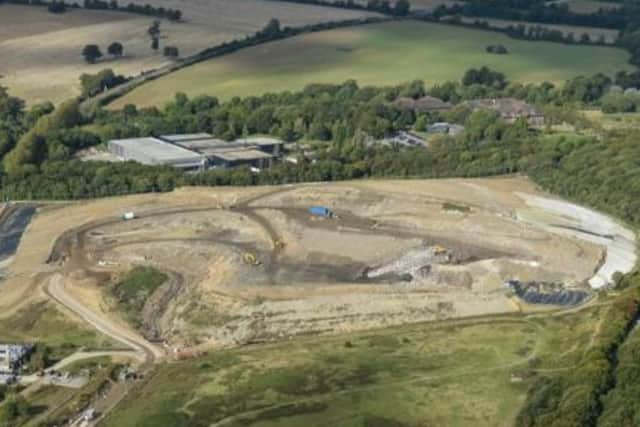
Biffa is using restored landfill sites to give developers across England a high-quality, compliant way to meet new nature-protection rules but these sites are not open to the public.
The Biodiversity Net Gain units, which are being created on Biffa’s network of former landfill sites are now wild green spaces. BNG is a legal requirement for developers in England, mandating a minimum 10% measurable increase in biodiversity to offset the impact of their work.
Duncan Wright, Biffa’s Landfill General Manager, said: “It’s been an absolute joy watching Brookhurst Wood transform from a working landfill site into a safe sanctuary for rare butterflies and birds.
“Launching our Biodiversity Net Gains units is a major moment for Biffa and a great opportunity for developers who want high-quality nature solutions. Our restored landfill sites have been shaped over many years to support thriving habitats.”