
Midhurst honours the fallen at Remembrance Sunday
See the latest news from Your World at https://www.sussexexpress.co.uk/your-world
On Sunday morning, Midhurst stood still to commemorate the 63 young men from the town who gave their lives during the World Wars and the conflict in Afghanistan.
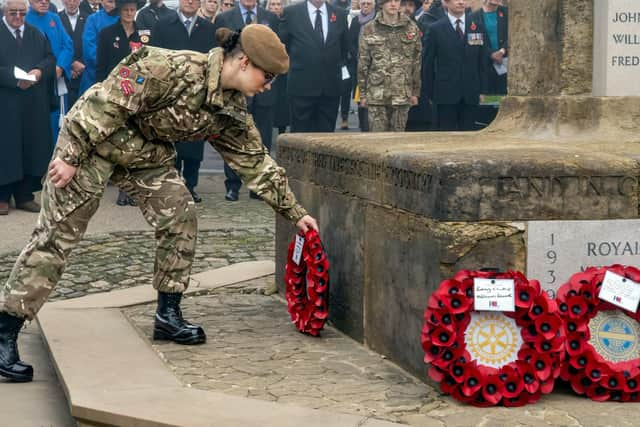

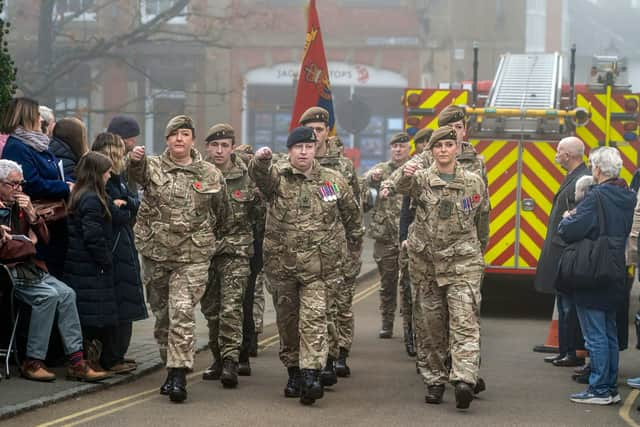
Local dignitaries, alongside cadets, guides and scouts, attended the moving service and wreath-laying at the war memorial. Representatives from the emergency services, charity volunteers and, of course, military veterans flanked them.
The event allowed the town to remember the sacrifices made by members of the Armed Forces and their families on its behalf.
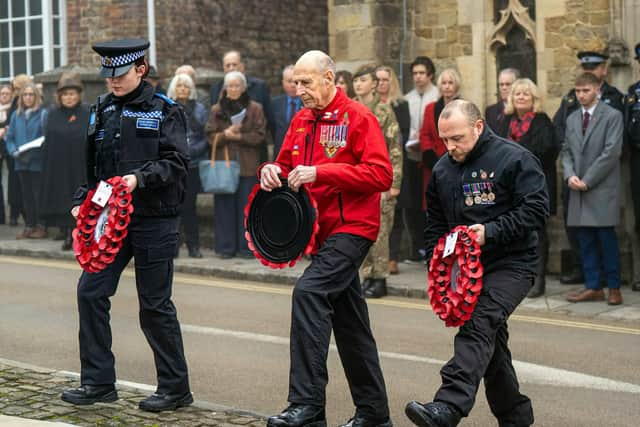
Many of the men named on the memorial served with the Royal Sussex Regiment and would have signed up alongside school friends, brothers and neighbours.
William Boswell was a builder’s apprentice and local footballer whose Saturdays should have been spent on Midhurst’s pitches, not the battlefields of France. He was killed at the Somme at age 24. His cousin, Thomas, was born on Duck Lane and enlisted in Chichester. He was also killed trying to take the Thiepval ridge.
18-year-old Rowland Charles Behn left Midhurst Grammar School to sign up for the Royal Naval Air Service. His airship disappeared in a snowstorm in December 1917, and he was reported as missing in action.
George Allin, aged 36 is one of the eldest named on the memorial. He was killed in April 1918 during Germany's great Spring Offensive. He left behind his wife, Daisy.
As anyone who has taken the time to look closely at the names will know, many families lost more than one child.
Midhurst alone lost 50 young men during the First World War, whilst the neighbouring memorial in Easebourne commemorates 48 more.
Losses from the surrounding villages are equally staggering, and no one living in the area at the time would have been immune from grief.
Whilst fewer people were killed during the Second World War, its impact on the wider population was immense. The South Downs housed evacuees and military bases, and residents lived in fear of invasion.
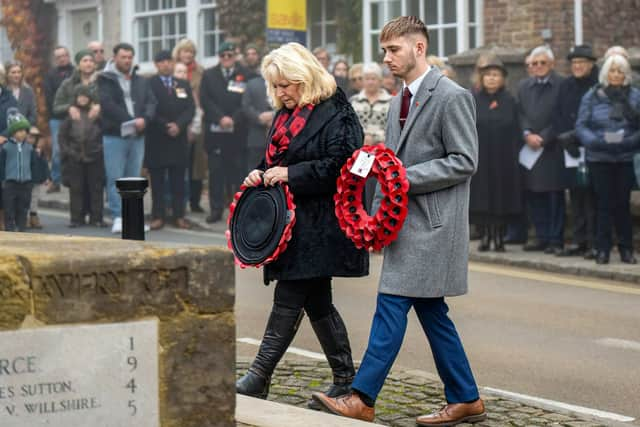
More recent conflicts have demonstrated not only the need to remember the sacrifice of those Midhurst men a century ago, but also the importance of supporting current military personnel and their families.
James Palmer, Chair of the Royal British Legion’s Midhurst and District Branch, said: “It was heartening to see so much support for the Armed Forces family, and in particular so many young people helping to carry the torch of remembrance forward.
We were profoundly grateful for the generosity shown towards the Poppy Appeal this year, which will ensure that the RBL can continue to provide vital support to those who served, and their families.”
For the last few weeks, the district's cadet force has been selling poppies across town with the Girl Guides and Scouts.
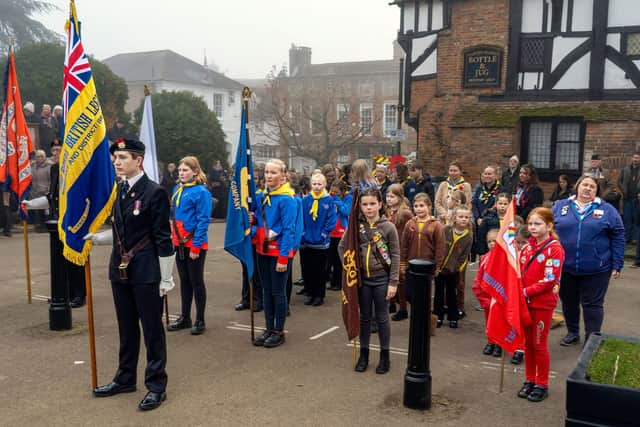
Kirstin Bosley, Girlguiding Petworth Commissioner, said: “It is fantastic that our youth and uniformed organisations can be involved in the Poppy Appeal and take part in Remembrance Sunday services.
As guides, we wear the poppy to say, ‘thank you’ to those who serve and to promise that we will not forget.”
For the young people who serve in No.27 Midhurst Detachment, Sussex Army Cadet Force, Remembrance Sunday is more than a ceremony.
LT Daisy-May Moore said: “It is a chance for our cadets to learn the importance of service, sacrifice, and community. Through supporting the Poppy Appeal and taking part in local Remembrance events, our cadets and volunteers are proud to honour those who served and ensure their legacy is never forgotten.”
In an increasingly uncertain world, the stories behind the names on Midhurst's memorial are a reminder that division, conflict and intolerance carry a human cost felt far beyond the battlefield.
As living memory of the world wars fades, the responsibility for carrying those lessons forward falls to those who gather each November to remember.