
Opinion: Lancing youth charity CEO calls for new approach to youth investment in West Sussex
See the latest news from Your World at https://www.sussexexpress.co.uk/your-world
The Milburn Review Tells Us What's Wrong, But Are We Prepared to Do Things Differently?
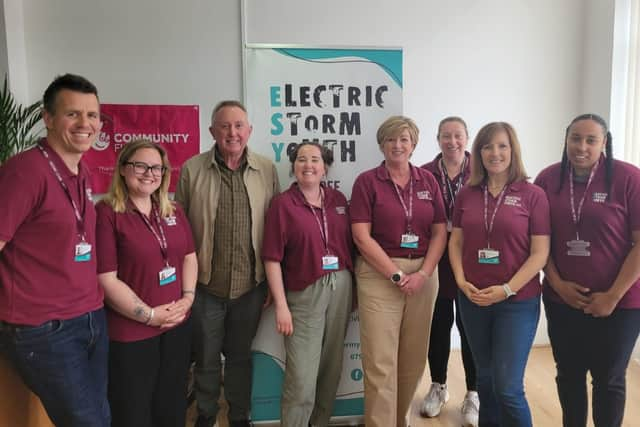

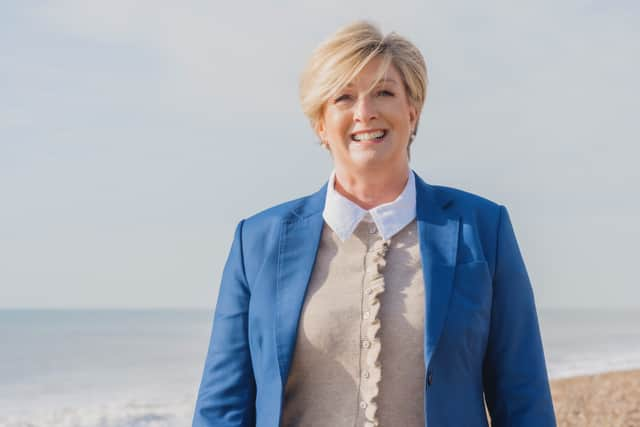
Karen Jefford, CEO of Electric Storm Youth, responds to the national findings and challenges how we invest in young people's futures here in West Sussex.
The publication of the Milburn Review last week should be a wake-up call for anyone involved in supporting young people.
With nearly one million young people aged 16 - 24 across the UK not in education, employment or training, we have to question how we support those who have become disengaged, but what more could have been done to prevent them reaching that point in the first place.
As CEO of Electric Storm Youth (ESY), a charity supporting young people aged 10-18 across Worthing & Adur and surrounding communities, I see first-hand the challenges facing young people and their families.
While I welcome the national attention being given to this issue, I can't help questioning why we continue to talk about the importance of prevention without properly addressing how we fund and deliver it.
Young people don't suddenly become disengaged at 16, the warning signs can appear much earlier.
We see young people struggling with anxiety, isolation, difficulties at school, challenging family circumstances and a lack of opportunities.
These challenges don't necessarily lead to disengagement, but without the right support, they can become barriers to a young person's confidence, wellbeing and future opportunities.
At ESY, we've been supporting young people since 2007. Our work goes well beyond providing somewhere for young people to spend their free time.
Through youth clubs, mentoring, young carers support, emotional wellbeing services and detached youth work, we're building relationships, identifying concerns early and helping young people develop the confidence and skills they need.
Over the past year, we've delivered 986 individual support sessions for young carers, with 94% of those reporting outcomes saying they felt less isolated.
Our detached youth workers also engage young people directly in their communities, including those who might never walk through the doors of a traditional youth centre.
This is what early intervention looks like in practice.
It's not always about a formal programme or specialist service. Sometimes it's about having a trusted adult who listens, recognises when something isn't right and helps a young person take their next step.
National ambition must translate into local action. The Government's Youth Matters strategy recognises the importance of safe spaces, trusted adults, accessible activities and giving young people a voice. These are all things that community youth organisations have been delivering for years!
The recently announced £450 million Youth Matters Fund is a welcome investment in youth provision across England, targeting 60 underserved areas. However, while East Sussex is included, West Sussex is not among the areas eligible for this particular funding programme. I recognise that national funding must be targeted, but the challenges facing young people don't stop at county boundaries.
Here in West Sussex, we have young people facing many of the same difficulties highlighted nationally. We also have charities, schools and community organisations working hard to respond.
The question is whether councils and organisations are making the best use of the services, knowledge and relationships already available within our communities.
We cannot deliver prevention in isolation.
One of the areas I welcomed in the Milburn Review is the recognition that services need to work more effectively together.
At ESY, we're already developing stronger relationships with schools, health professionals, housing providers and other community partners.
Why? Because young people's needs rarely fit neatly into one service.
A young person struggling at school may also be experiencing difficulties at home. Someone presenting with anxiety may be isolated or have limited opportunities to build friendships and confidence. If we want to make a lasting difference, we need to understand the wider picture rather than just responding to individual problems.
Partnership working must go beyond referrals and good intentions. It requires organisations to recognise what each brings to the table, share knowledge and resources, and take collective responsibility for improving outcomes, and we need to be realistic about the pressures facing the charity sector.
Organisations like ESY cannot be expected to take on increasingly complex needs while managing continued uncertainty over funding. We need to move away from short-term thinking and recognise that investing in prevention can help reduce the need for more intensive support further down the line.
The Milburn Review provides an opportunity to rethink how we support young people, and I welcome that. But I would challenge policymakers, commissioners, funders and local partners to consider three things.
First, recognise the value of early intervention. Supporting young people before difficulties escalate should be a priority, not an afterthought.
Second, build on what's already working. We have established community organisations with trusted relationships, local knowledge and experience. Let's strengthen these services rather than automatically looking to create something new.
Third, invest in sustainable partnerships. Charities, schools, health services, local authorities and businesses all have a role to play, but we need a shared commitment to delivery and funding, not just another strategy.
As a charity CEO, I know that not every intervention will work and that we must continually review, adapt and demonstrate the difference our services make, but I also know the value of having someone there for a young person when they need support.
If we're serious about improving the future prospects of young people, we need to invest in the relationships, opportunities and services that help them long before they become another statistic.
We have the national evidence.
We have local organisations already delivering.
What we need now is the funding and commitment to bring the two together.