
Political opinion with Beccy Cooper MP: Making the case for global health
See the latest news from Your World at https://www.sussexexpress.co.uk/your-world
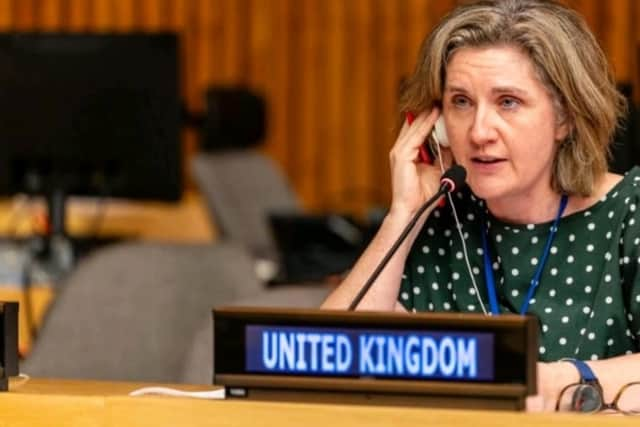
As a strong advocate for global health funding, I often hear the question, why should we spend money abroad when we have so many problems here at home? While I of course acknowledge the many pressures currently being placed on the public purse in crucial areas such as health, education and defence, at a recent Westminster Hall debate I made the case for restoring and sustaining international aid and development funding.

Many countries, including the UK, United States, France, Germany, and Canada are reducing their aid budgets. Given that these cuts are all being made at once, by 2030 they could contribute to around 14 million additional deaths worldwide, including millions of children under the age of 5.
Investing in healthcare around the world helps protect everyone, including us here at home. As the recent Ebola outbreak has shown, diseases don't need passports. The next pandemic is much more likely to be prevented by stronger healthcare systems overseas than by Heathrow and Dover border control.
It is encouraging that the government has continued to support some important organisations that provide vaccines and strengthen overseas healthcare systems. Helping countries become more independent and able to manage their own healthcare is a practical and cost-effective long-term goal. However, building these systems takes years, while funding cuts have immediate effects. Clinics can close within weeks, healthcare workers may go unpaid, and medicines can disappear from shelves almost overnight.
Some recent funding decisions are, however, a particular cause for concern. Polio for example, is closer than ever to being wiped out but reducing support now could undo years of hard work. Likewise cuts to programmes tackling antimicrobial resistance. Without working antibiotics, many routine medical treatments and surgeries would become far more dangerous for us all.
Health is also about more than just hospitals. Clean water, good nutrition, and education all improve people's health. For example, children whose mothers have received a secondary education are much more likely to be vaccinated. There is also a question of fairness. We depend heavily on healthcare professionals who trained overseas. Their skills save the NHS billions of pounds, but many of the countries they come from struggle with weak healthcare systems themselves. Supporting those systems is a recognition of our shared responsibility.
Ultimately, preventing global health crises is far cheaper than responding to them after they spread. Foreign aid is not just an act of kindness, it is an investment in global stability, public health, and the UK's own security. In an interconnected world, helping others often means protecting ourselves too.
As always, you can contact me at [email protected].