
Political opinion with Chris Coghlan MP: Horley banking hub decision needs to be reviewed
See the latest news from Your World at https://www.sussexexpress.co.uk/your-world
Following the closure of Horley’s town post office, I have asked LINK, the independent body that assesses where banking hubs and other cash services are needed, to reconsider the case for a banking hub in Horley.
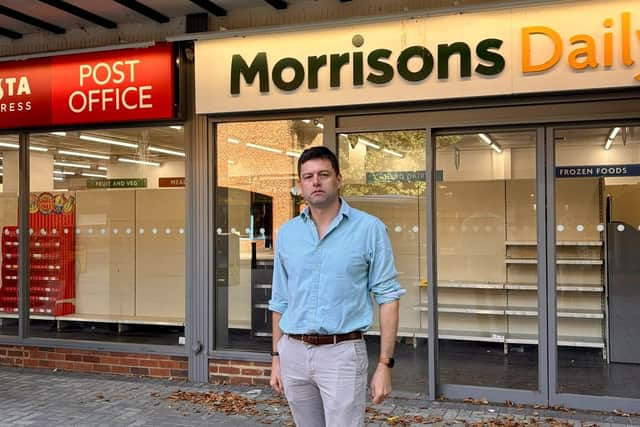

While I welcome its recent recommendation to increase capacity at an assisted cash service in Horley, I believe a banking hub is needed, particularly given the Government’s decision this month to legally protect essential face-to-face banking.
I have appealed against LINK’s decision, challenging the evidence it used to come to its conclusion. For example, LINK’s assessment states that alternative banking in Redhill is just 11 minutes away. However, I have found that the journey from Horley High Street to Barclays in Redhill takes around 21 minutes by train, including the walk at either end, or 35-40 minutes by bus. This also excludes the time it takes to wait for public transport.
Horley is a growing town with a vibrant community and an ambitious future. Residents and businesses deserve better banking services that support that growth and help bring more people into the town centre. A banking hub would be a positive investment in our town’s future.
Some services are essential to our community. Currently, pharmacies are being severely impacted by rising medicine costs. A local pharmacist, John, told me that six months ago, problems with wholesalers and supply chains were a nuisance; now there is a crisis. John told me that a box of lymecycline (antibiotics) once cost him less than £1 to buy; however, right now, it costs him £14.
Last year, I highlighted growing pressures on local pharmacies due to rising costs and increased pressure from the rollout of Pharmacy First. Back then, pharmacists were already at breaking point both financially and emotionally.
The NHS usually reimburses pharmacies for the cost of buying and dispensing medicines. When certain drug prices rise, pharmacies can receive temporary support through what are called price concessions. This is where pharmacies are temporarily reimbursed at a higher rate when they cannot buy medicines from wholesalers at the usual price.
However, previously, there were around 30 drugs on the NHS concession list; now, there are 200. October was the seventh month in a row in which more than 200 concessions had been granted. Even with NHS price concessions, pharmacies are still being left out of pocket because the prices are so inflated, so I have raised this with the Health Secretary.