
Survival strategies – discover how our wildlife copes with the wintery conditions with RSPB Pulborough Brooks’ Anna Allum
See the latest news from Your World at https://www.sussexexpress.co.uk/your-world
It’s getting chilly outside. Do you wish you were still tucked up in bed under a nice cosy duvet? Are you dreaming of a holiday somewhere warm? Or do you have your winter woollies out ready for a country walk? Our wildlife faces these same choices in winter; each must have a survival strategy – is it best to hibernate, migrate or adapt?
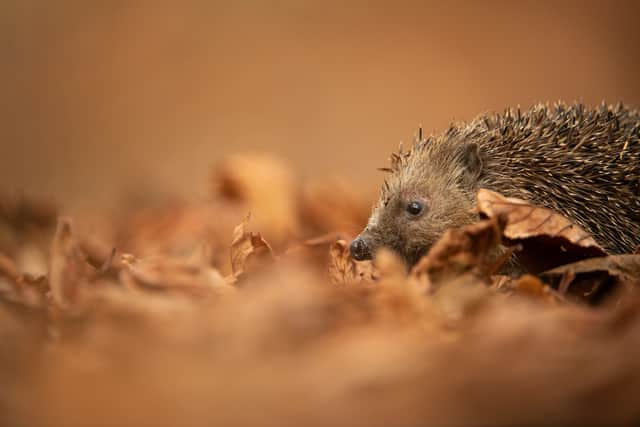

Creatures that hibernate enter a state of almost complete inactivity during the winter months, lowering their body temperature and slowing their heart rate to save energy. A Hedgehog’s heart rate is usually around 190 beats per minute but drops to just 20 during hibernation. Our prickly pals eat as much as possible during October and November before hunting for the perfect hibernation spot – in a compost heap, under a garden shed, or in a custom-made hedgehog hideaway.
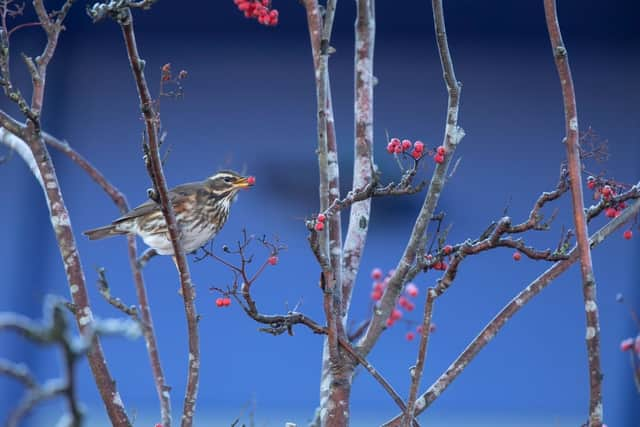
Some birds, like the Swallow, have left us and navigated south to Africa. Meanwhile, some have just arrived here in Sussex – even in winter the conditions here are relatively balmy when contrasted with the 24-hour darkness and frozen ground of Scandinavia or Siberia. Redwings and Fieldfares (the Scandinavian cousins of our Song Thrush) come here in their thousands to feast on berries in the hedgerows.
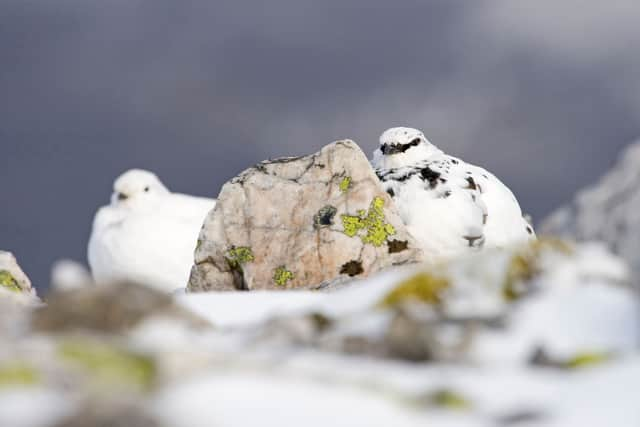
Your third option is to adapt. Foxes and Red Squirrels grow denser fur coats to keep them snug over winter. Others change their feathers or fur to make them better camouflaged in the snowy conditions – we’re unlikely to see Stoats in their ermine coats in Sussex, but in Scotland, Stoats, Mountain Hares and the Ptarmigan all develop white fur or feathers in the winter months.
One of our smallest birds – the Wren - adapts by making friends and getting cosy – a record number of 63 wrens were found roosting together in a single nest box!