
University of Brighton campuses become biodiversity tracking sites in global wildlife challenge
University campuses across Brighton are being turned into biodiversity monitoring sites this month as part of a global effort to record as much wildlife as possible and better understand urban ecosystems.
Taking place from 24–27 April 2026, the City Nature Challenge is an annual international event that invites people from around the world to document wildlife in their local area over four days. The data collected helps build a clearer picture of biodiversity across participating regions and supports ongoing conservation and environmental research.
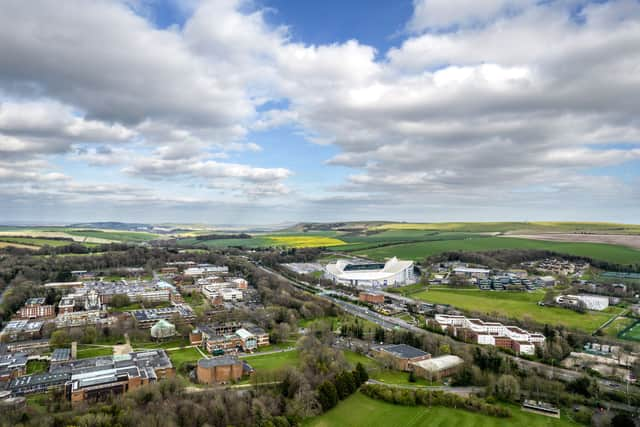

Brighton & the Eastern Downs region has participated in the challenge for seven years. The initiative was introduced to the area by Dr Rachel White, Principal Lecturer and Course Leader of Ecology and Conservation at the University of Brighton, in partnership with the South Downs National Park Authority and The Living Coast – a UNESCO-designated biosphere covering Brighton, Lewes and surrounding coastal and downland areas. Participation has grown every year, with local residents recording nearly 3,000 wildlife sightings across the four days in 2025 alone.
This year, the University of Brighton has set up specific boundaries for its three campuses – Falmer, Moulsecoomb and City – allowing wildlife sightings to be recorded and tracked at a campus level. This will provide more detailed data about the species present on university grounds while still contributing to the wider Brighton & Eastern Downs regional and global City Nature Challenge dataset.
Students, staff, and visitors can take part using iNaturalist, a free smartphone app and online platform that allows anyone to record and share observations of plants, animals, and fungi. By photographing or noting the wildlife they see on campus, participants help build a clearer picture of biodiversity, support conservation efforts, and connect directly with nature on their doorstep.
The initiative will also make use of historical data, so previous observations recorded within the campus boundaries are included. This creates a fuller picture of campus biodiversity while helping to inform ongoing research and environmental projects.
Workshops will be held on 24 April at each campus, led by student Biodiversity Ambassadors. Participants will be shown how to use iNaturalist, identify different species, and submit their findings. After the workshops, students and staff can explore campus grounds to record wildlife at their own pace.
The project is open to everyone at the university and is designed to be accessible, with participation possible during a lunch break, between classes, or over the weekend. Observations can be made in green spaces, gardens, or nearby parks and coastal areas, helping to connect the university community with nature while contributing to a global citizen science project.
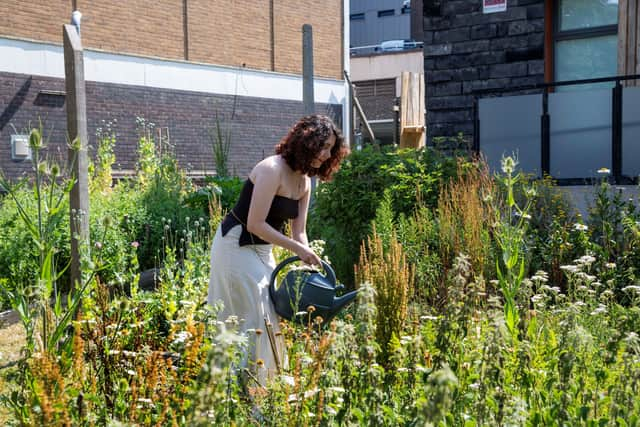
Dr Rachel White said: “The City Nature Challenge is an exciting annual global event encouraging as many people as possible to get outdoors, connect with nature, and discover and record local wildlife. Everyone can and is encouraged to take part – it’s a great opportunity to get outdoors, socialise, explore and learn about your local environment, all while contributing useful data in the form of wildlife sightings recorded on the free and easy to use iNaturalist app.”
The initiative gives students a hands-on way to engage with nature across campus. It’s a practical way to learn about ecology, data collection, and conservation science, all while being outdoors and engaged with their surroundings. By recording sightings, students and staff can contribute directly to research that tracks species, monitors habitats, and supports environmental action both locally and globally.
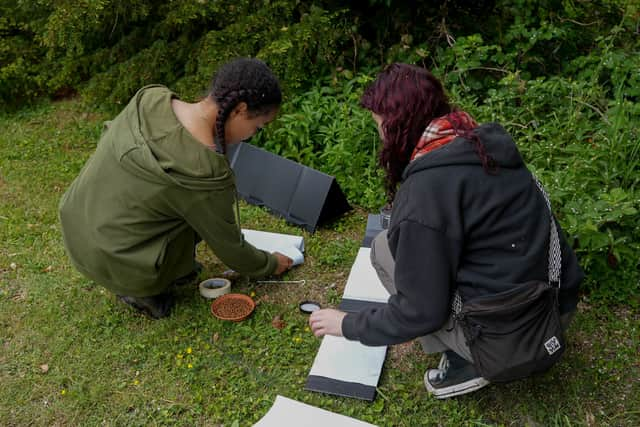
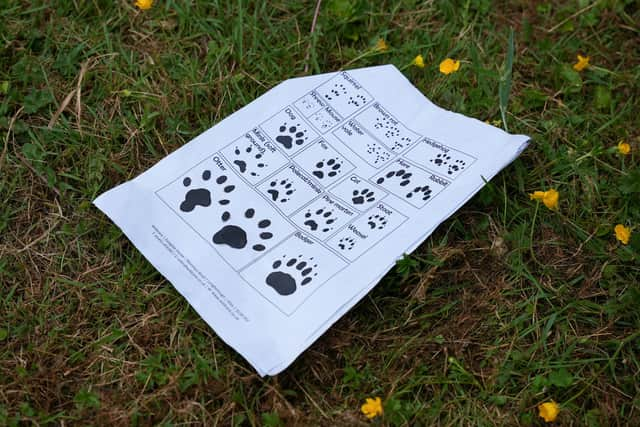
Across the University of Brighton’s campuses, a wide range of wildlife is already present, including pollinators, birds, invertebrates and small mammals such as hedgehogs, supported by ongoing habitat improvements and rewilding work led by the University’s Sustainability team. This includes projects to improve green spaces, reduce the use of chemicals, install green roofs, and the Hedgehog Friendly Campus programme, where students help monitor hedgehog activity and take practical steps to improve habitats across campus.
At Falmer campus, this work includes chalk grassland restoration in partnership with Sussex Wildlife Trust, supporting one of the area’s most important natural habitats. Students from the School of Applied Sciences have also carried out butterfly, hedgehog and bird surveys to build a clearer picture of campus biodiversity and support ongoing campus conservation planning.
Together, these initiatives form part of the University of Brighton’s wider sustainability programme, bringing staff and students together to better understand, monitor and improve biodiversity across its campuses through hands-on environmental action.