
WWT Arundel celebrates 50 Years of wetland conservation, wildlife and connection with nature
See the latest news from Your World at https://www.sussexexpress.co.uk/your-world
On Tues 10 November, WWT Arundel celebrates its 50th anniversary, marking half a century of inspiring people to connect with wetlands while protecting wildlife in the heart of the Arun Valley. The milestone coincides with the 80th anniversary of the Wildfowl & Wetlands Trust (WWT), founded by Sir Peter Scott in 1946.

Centre Manager Claire Hogben said: "As we celebrate 50 years of WWT Arundel, we would like to thank the generations of visitors, members, volunteers and supporters who have made this special place what it is today. Their loyalty, enthusiasm and generosity have helped us care for wetlands, protect wildlife and inspire countless people to connect with nature. This anniversary belongs as much to them as it does to us, and we are incredibly grateful for their support throughout the years."
Site Development
The story of WWT Arundel began in 1970 when Sir Peter Scott identified former water meadows and watercress beds beside the River Arun as the ideal location for a new wetland reserve. After years of planning, construction, flooding challenges and determination, the 64-acre Arundel Wildfowl Refuge officially opened on 10 November 1976. Visitors arrived at a modest portakabin entrance, paid 50p admission, and explored a reserve that would grow into one of Sussex's leading wildlife attractions.
Over the past five decades, the site has evolved dramatically. What began as a developing reserve with just two wildlife hides has become a thriving wetland landscape featuring a network of hides, viewing areas and habitats designed to bring people closer to nature.
Wetland Conservation
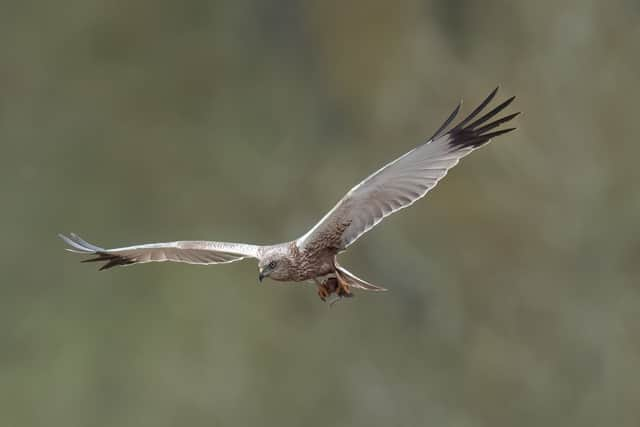
WWT Arundel has played an important role in wetland conservation, creating sand martin and kingfisher nesting banks, developing wet grassland and wader scrapes, maintaining internationally important reedbed habitats, and restoring areas such as the Entrance Pond to support species including the common toad. These habitats now support a rich diversity of wildlife, from wintering wildfowl and waders to marsh harriers and kingfishers.
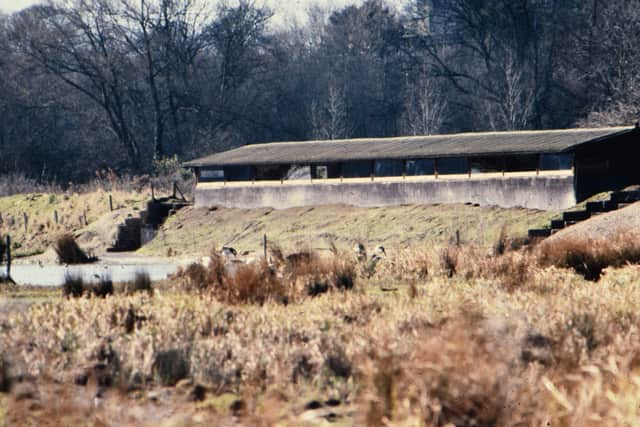
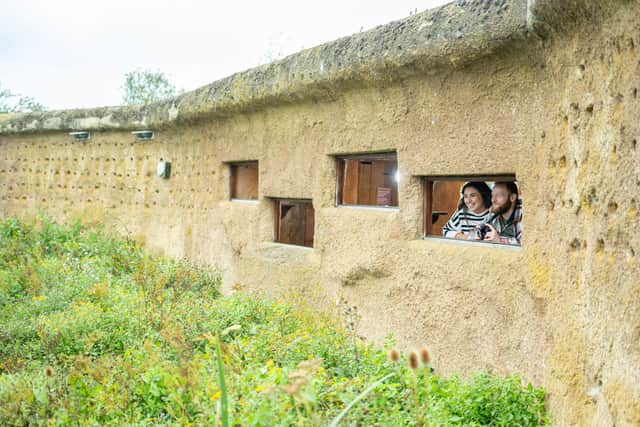
Central to that success has been the reserve's network of hides, each offering visitors a unique window into wetland wildlife. From the original Long Hide and Scrape Hide built in 1976 to more recent additions such as the Discovery Hide and Reedbed Willow Sphere, generations of visitors have experienced unforgettable encounters with nature from these special vantage points.
Award Winning Visitor Centre
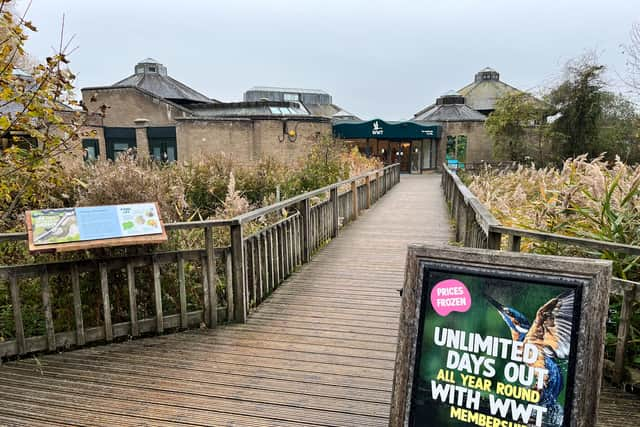
The visitor centre has also grown alongside the reserve. Opened in 1980 by Sir Peter Scott and Mrs Ernest Kleinwort, the award-winning octagonal building was designed to sit sympathetically within the landscape while providing panoramic views of the wetlands. Over the years it has evolved to meet changing visitor needs, with the addition of catering facilities, learning spaces, improved accessibility features and, most recently, a Changing Places toilet.
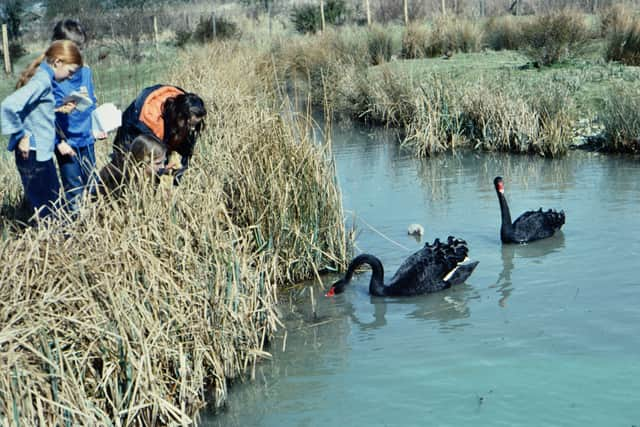
Education has remained at the heart of WWT Arundel's mission throughout its history. Thousands of schoolchildren have visited the reserve to learn about wetlands and wildlife, while today's Learning Outside the Classroom programme encourages young people to get "nose-to-beak" with nature through immersive experiences on the reserve itself.
Over fifty years, WWT Arundel has welcomed hundreds of thousands of visitors, becoming not only a haven for wildlife but also a place where people can discover, enjoy and value the natural world.
Reflecting on the anniversary, WWT Arundel is celebrating both its remarkable history and its future role in helping people experience the wonder of wetlands. As WWT works towards ambitious targets to restore and create 100,000 hectares of wetland habitat across the UK, the Arundel site continues to demonstrate how wetlands can benefit wildlife, communities and future generations.