
The £3750 EV grant drives the costs of EVs down
On a breezy Saturday morning in Brighton, it’s not unusual to see the seafront dotted with silent, gliding electric cars. They’re sleek, they’re stylish – but until now, for many families, they’ve also felt just out of reach.
That might be about to change. This week the Department for Transport confirmed the first wave of electric vehicles eligible for a new £3,750 government grant. It’s a significant discount, one that brings EVs closer to their petrol and diesel cousins in price than ever before. For Sussex families considering the switch, it’s the strongest signal yet that the electric revolution is no longer “around the corner” – it’s parked right outside the forecourt.
But while the grant makes headlines, there’s another factor quietly powering the shift: finance. It’s one thing to trim the sticker price, quite another to make the monthly cost fit into a household budget. And that’s where the real change is happening.
Why Cost Still Rules the Conversation
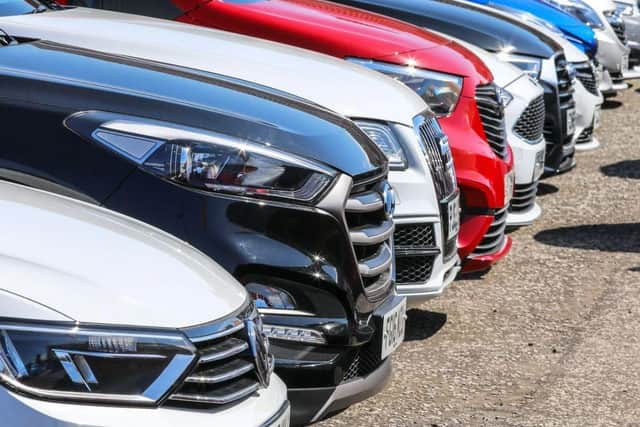

Ask anyone at the school gates in Worthing or over coffee in Lewes why they haven’t yet gone electric, and the answer is rarely about performance. Drivers know EVs are quiet, efficient, and even fun to drive. The hesitation almost always comes down to cost.
Figures from Auto Trader show the average price of a new battery electric car in mid-2025 hovered just under £50,000. Compare that to petrol, sitting closer to £34,000, and it’s easy to see why many buyers stuck with what they knew.
The new grant narrows that gap. But what really makes a difference is how people pay. With finance, the decision stops being about one intimidating lump sum and becomes a question of manageable monthly payments.
As one industry voice put it this week, the grant has the power to “smash barriers and bring about change” – but only if finance walks hand in hand with it.
What the Grant Actually Offers
The scheme itself is worth £650 million and runs for three years. There are two levels of support:
- £3,750 off cleaner, more sustainable EVs under £37,000.
- £1,500 off a wider pool of models that still meet the government’s green criteria.
It’s not just about tailpipe emissions. Manufacturers that use renewable energy or greener methods during production score higher. The idea is simple: support cars that are cleaner to make as well as cleaner to drive.
For Transport Secretary Heidi Alexander, the message was clear: this is about making it “easier and cheaper” for families to go electric. Industry leaders agreed, welcoming the scheme as recognition that manufacturers have already been subsidising costs heavily to spark demand.
In Sussex alone, with its mix of city commuters, rural drivers, and coastal businesses, the impact could be significant
Beyond the Sticker Price
So what does this mean in practice? Imagine a car listed at £30,000. With the grant, that drops to just over £26,000. Finance that across four or five years, and you’re talking about trimming £60–£100 a month off the repayment compared to where you’d have been before. For many families, that’s the difference between “maybe one day” and “let’s do it now.”
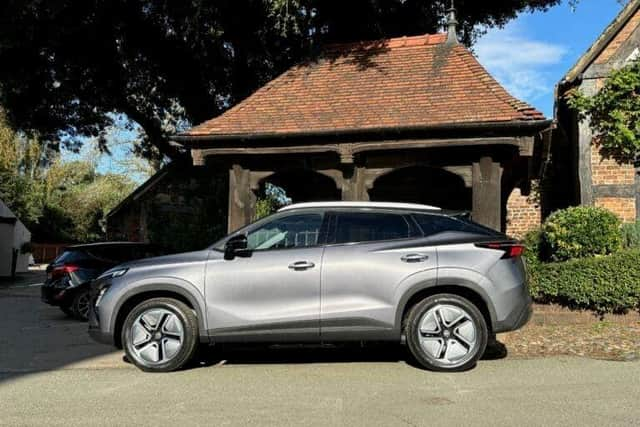
That monthly saving doesn’t just feel lighter on the wallet; it changes the psychology of buying. Once EVs fall into the same mental price bracket as everyday petrol models, buyers stop treating them as luxury items and start weighing them as genuine options for the school run, the commute, or the weekly shop.
Sussex in the Driving Seat
Our county is, in many ways, the perfect test case. In Brighton & Hove, EVs suit short hops between work, home, and the seafront. In rural villages around Steyning or Petworth, longer trips to shops or schools mean range matters, but charging hubs are popping up in farm shops and garden centres. Along the coast from Littlehampton to Eastbourne, families already see neighbours plugging in on driveways and want the same convenience.
The new grant, paired with flexible finance, makes those scenarios achievable rather than aspirational. Sussex drivers are pragmatic: if the numbers work, they’ll make the switch. And the more drivers do, the more confidence spreads.
Charging Ahead
Of course, no article about EVs can ignore the elephant in the car park: charging. The UK currently has around 82,000 public charge points, with more being added every month. Sussex has seen a steady growth in reliable hubs, from fast chargers in supermarket car parks to rapid stations along the A27 and A23.
Is it perfect? Not yet. Queues at holiday weekends and the odd faulty unit still frustrate. But for the majority of everyday driving—school runs, commutes, leisure trips—the infrastructure now supports the shift. With finance and grants making cars affordable, the conversation is slowly moving away from “can I charge?” to “where’s easiest for me to charge?”
The Role of Finance
While government support sets the stage, it’s finance that decides whether a family signs on the dotted line. Buyers today can choose from hire purchase agreements that lead to full ownership, personal contract purchase plans that allow for upgrades every few years, or tailored packages depending on budget.
And crucially, the grant directly reduces the amount that needs to be financed. That means smaller loans, smaller monthly payments, and a softer landing for households already juggling outgoings.
Specialist motor finance providers—such as Close Brothers, who’ve been helping drivers into vehicles for decades—play a crucial role in smoothing this journey. By working closely with dealerships, they can make the process seamless: the grant applied at the point of sale, finance approved quickly, and the driver walking away with keys in hand.
The grant is locked in for three years. That gives dealers, lenders, and customers time to adapt and plan. It also creates a healthier used EV market as today’s new cars filter down in two or three years’ time.
But challenges remain. Charging infrastructure must keep pace. Public confidence needs nurturing. And by 2030, with the petrol and diesel ban looming, finance, infrastructure, and consumer trust must grow in tandem.
For Sussex, the opportunity is clear. From Brighton commuters to Arun tradespeople, from Chichester shoppers to Lewes families, the grant gives households permission to take the leap—and finance makes it realistic.
Grants make headlines. Finance makes decisions. Put the two together, and electric cars stop being “someday” purchases and start becoming part of everyday life.
For drivers in Sussex, that might mean quieter trips along the Downs, fewer stops at petrol stations on the coast road, and a smoother, calmer journey altogether. The new scheme won’t solve every challenge, but it does something powerful: it tips the balance. And for thousands of families, that’s all it takes to finally make the switch.